How do Mallorca's climate and landscape affect the behavior of its local wildlife?
Similar Topics
mallorca wildlife
tramuntana animals
mediterranean climate
alcudia birds
mallorcan lizard
seasonal migration
cala mondrago
wildlife behavior
In the Tramuntana mountains above Valldemossa, wildlife rhythms are closely tied to the island’s Mediterranean climate and rugged terrain. Mild, wet winters encourage the emergence of amphibians like Mallorcan midwife toads near streams and small ponds, while spring brings a burst of insect activity that attracts native reptiles and birds. Migratory species, such as flamingos and various raptors, make seasonal visits to the wetlands around Alcúdia, drawn by shifting food supplies following the island’s changing temperatures and rainfall.
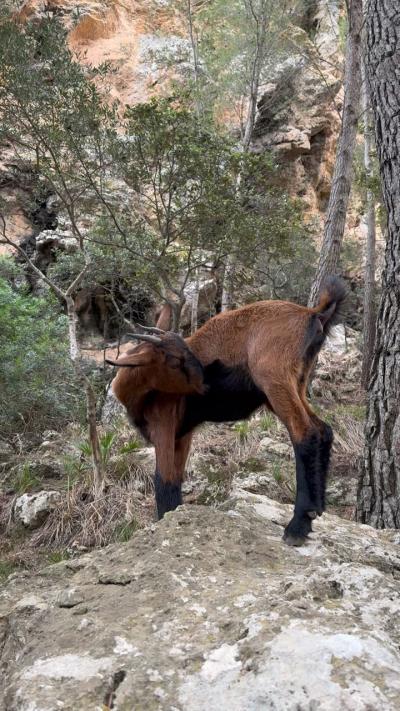
Summer’s dry heat drives many land animals to adjust their habits, often becoming more nocturnal to avoid the midday sun. You might spot wild goats on the rocky slopes or hear the calls of owls after dusk. Along the coast, seabirds take advantage of calm, warm weather to breed in coves such as Cala Mondragó, where the balance of sea and shore shapes feeding and nesting.
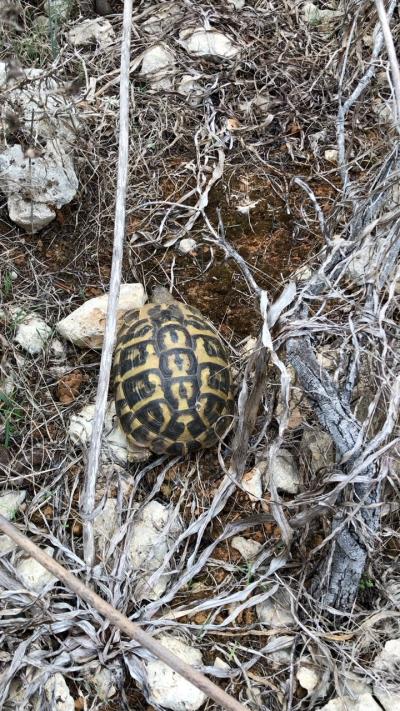
Geographical features like the Ma-10 road winding through the Tramuntana influence animal movements too, creating natural corridors that support biodiversity. The island’s mosaic of pine forests, olive groves, and agricultural terraces provides habitats for endemic species like the endemic Mallorcan lizard. Overall, the blend of climate and terrain fosters a dynamic ecosystem where species time their breeding, feeding, and migration to the rhythms of the island’s seasons and landscape.
Summer’s dry heat drives many land animals to adjust their habits, often becoming more nocturnal to avoid the midday sun. You might spot wild goats on the rocky slopes or hear the calls of owls after dusk. Along the coast, seabirds take advantage of calm, warm weather to breed in coves such as Cala Mondragó, where the balance of sea and shore shapes feeding and nesting.
Geographical features like the Ma-10 road winding through the Tramuntana influence animal movements too, creating natural corridors that support biodiversity. The island’s mosaic of pine forests, olive groves, and agricultural terraces provides habitats for endemic species like the endemic Mallorcan lizard. Overall, the blend of climate and terrain fosters a dynamic ecosystem where species time their breeding, feeding, and migration to the rhythms of the island’s seasons and landscape.

More Fotos