What traditional foods are typically enjoyed during religious festivals or pilgrimages on the island?
Similar Topics
pa amb oli
sobrassada
tumbet
ensaimada
palo liqueur
hierbas
sant sebastià
festa de l’ametler
Many of the island’s religious festivals and pilgrimages, like the vibrant Sant Sebastià celebrations in Palma or the Festa de l’Ametler in the Serra de Tramuntana, feature traditional dishes deeply rooted in local culture. These foods often echo the island’s agrarian past and the simplicity suited for communal gatherings after long processions or mass. Pa amb oli, the humble yet flavorful bread rubbed with ripe tomatoes, drizzled with olive oil, and topped with local sobrassada or cheese, is a beloved staple, offering nourishment and a taste of Mallorcan heritage.
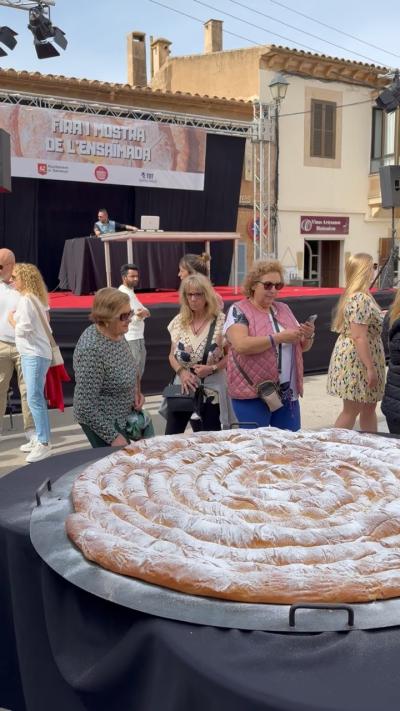
Hearty stews like tumbet, made with layers of sautéed vegetables including aubergines, peppers, and potatoes, serve both as comfort food and a celebration of local produce, especially during communal meals tied to religious events. Sweet treats like ensaimadas also appear, their delicate spiral form a festive favorite for early morning pilgrim breakfasts or shared family moments after mass. Drinks like Palo, a bitter herbal infusion, and Hierbas liqueur often accompany these meals, reflecting centuries-old traditions.
Beyond the food itself, these occasions foster community spirit, much like at the Nit de Foc festival where food and drink play a vital role amid the fireworks and celebrations. Pilgrimage routes and towns such as Pollenca or Valldemossa also offer glimpses of how local gastronomy intertwines with spiritual life, making the food more than sustenance — it becomes a shared expression of culture, faith, and identity on the island.
Hearty stews like tumbet, made with layers of sautéed vegetables including aubergines, peppers, and potatoes, serve both as comfort food and a celebration of local produce, especially during communal meals tied to religious events. Sweet treats like ensaimadas also appear, their delicate spiral form a festive favorite for early morning pilgrim breakfasts or shared family moments after mass. Drinks like Palo, a bitter herbal infusion, and Hierbas liqueur often accompany these meals, reflecting centuries-old traditions.
Beyond the food itself, these occasions foster community spirit, much like at the Nit de Foc festival where food and drink play a vital role amid the fireworks and celebrations. Pilgrimage routes and towns such as Pollenca or Valldemossa also offer glimpses of how local gastronomy intertwines with spiritual life, making the food more than sustenance — it becomes a shared expression of culture, faith, and identity on the island.
More Fotos