What kind of landscapes will I see if I hike the Serra de Tramuntana?
Similar Topics
serra de tramuntana
hiking trails
tramuntana views
valldemossa
deia
ma-10 road
island nature
almond blossoms
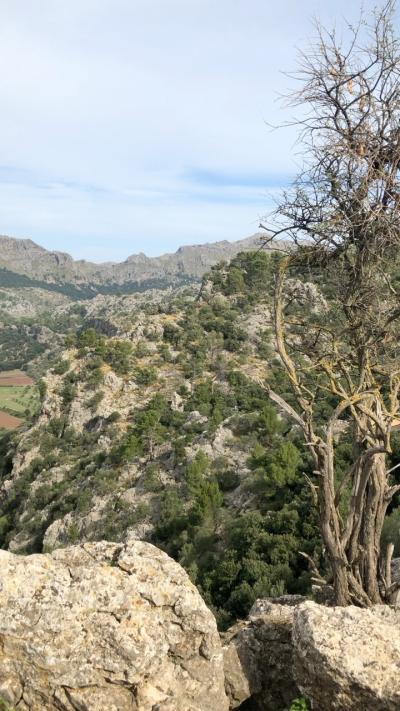
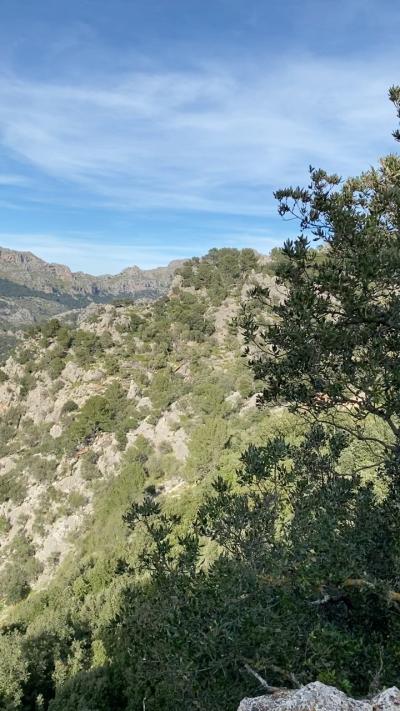
The Serra de Tramuntana presents a breathtaking mix of landscapes that reveal the island’s natural and cultural richness. Starting out, you'll pass through fragrant pine and oak forests, their shade providing welcome respite as you follow trails winding along terraced hillsides. The rugged limestone peaks tower overhead, their rocky faces carved by centuries of wind and water, offering stunning vantage points over the coastline and olive groves below. Valleys dotted with charming villages like Valldemossa and Deià showcase traditional stone houses with terracotta roofs, blending seamlessly with the surrounding greenery.
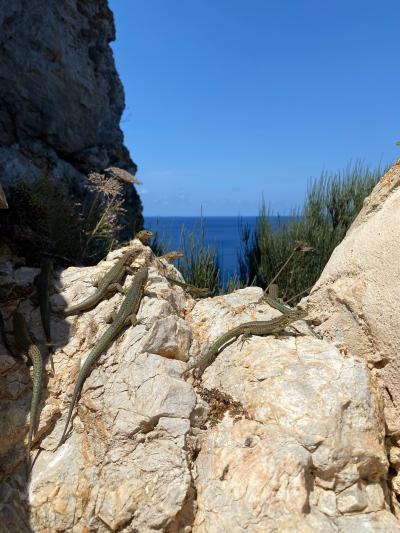
Further along, the scenery opens to dramatic cliffs plunging towards the Mediterranean, with the glint of hidden coves such as Cala Deià or Cala Tuent far beneath. The famous winding Ma-10 road clings to the mountainside, visible from some vantage points, connecting sleepy mountain towns and offering glimpses of the turquoise sea. As you hike, you might cross ancient dry-stone walls and pass orchards laden with almonds and carob trees, typical of local agriculture. The scent of pine mingles with wild herbs like thyme and rosemary, and if timed right, you could experience the spectacle of almond blossoms during the Festa de l’Ametler.
This landscape is as diverse as it is dramatic, balancing rugged peaks and serene valleys, traditional farming terraces and wild natural beauty. It’s not just a journey through nature, but a step into communities where local customs and gastronomy—think sobrassada and pa amb oli—are part of an enduring island heritage. The balance of culture and countryside makes the Tramuntana a rich sensory experience, rewarding every hiker with unforgettable views and moments of quiet reflection.
Further along, the scenery opens to dramatic cliffs plunging towards the Mediterranean, with the glint of hidden coves such as Cala Deià or Cala Tuent far beneath. The famous winding Ma-10 road clings to the mountainside, visible from some vantage points, connecting sleepy mountain towns and offering glimpses of the turquoise sea. As you hike, you might cross ancient dry-stone walls and pass orchards laden with almonds and carob trees, typical of local agriculture. The scent of pine mingles with wild herbs like thyme and rosemary, and if timed right, you could experience the spectacle of almond blossoms during the Festa de l’Ametler.
This landscape is as diverse as it is dramatic, balancing rugged peaks and serene valleys, traditional farming terraces and wild natural beauty. It’s not just a journey through nature, but a step into communities where local customs and gastronomy—think sobrassada and pa amb oli—are part of an enduring island heritage. The balance of culture and countryside makes the Tramuntana a rich sensory experience, rewarding every hiker with unforgettable views and moments of quiet reflection.

Sa Calobra
More Fotos



Related Questions
Related Question
What kind of wildlife might I see while hiking in the Tramuntana Mountains?
Related Question
What other sports facilities can I find near tennis courts in Palma or other towns on the island?
Related Question
When is the best time to visit Mallorca’s markets to catch them at their liveliest?