How did the history of Santa Catalina shape the culture of Mallorca?
Similar Topics
Santa Catalina Mallorca
Mallorca culture
Palma de Mallorca
Mallorca history
seafood dishes Mallorca
Mallorcan festivals
artisan shops Palma
sustainable markets Mallorca
culinary tours Mallorca
vibrant neighborhoods Mallorca
The history of Santa Catalina, a vibrant neighborhood in Palma de Mallorca, has played a significant role in shaping the culture of the island. Originally a working-class area, it has roots that trace back to the early 20th century when it was predominantly home to fishermen and laborers. This background has fostered a strong sense of community and local identity, which is still evident today in the lively markets and the warmth of the residents. The neighborhood's proximity to the sea has also influenced its culinary scene, with a rich tradition of seafood dishes that reflect both the island's maritime heritage and its agricultural roots.
As the years progressed, Santa Catalina began to evolve, attracting artists, musicians, and a diverse population that contributed to its eclectic atmosphere. The neighborhood's streets are now lined with trendy cafes, artisan shops, and vibrant street art, showcasing a blend of traditional Mallorcan culture with contemporary influences. This juxtaposition creates a unique charm that draws both locals and tourists alike, making it a focal point for cultural exchange. Festivals and events throughout the year, such as the famous Santa Catalina Market, highlight the neighborhood's commitment to preserving its history while embracing modernity.
Moreover, the architectural landscape of Santa Catalina reflects its storied past, with a mix of old fishermen's houses and contemporary buildings that stand side by side. The community's emphasis on sustainability and local produce is evident in its markets, where fresh, seasonal ingredients are celebrated, continuing the island's agricultural traditions. Visitors can experience this vibrant culture firsthand through culinary tours, art walks, and local festivals, all of which underline Santa Catalina's role as a cultural hub in Mallorca. Overall, the neighborhood encapsulates the island's ability to honor its history while continuously evolving, making it a must-visit destination for anyone looking to understand the heart and soul of Mallorca.
As the years progressed, Santa Catalina began to evolve, attracting artists, musicians, and a diverse population that contributed to its eclectic atmosphere. The neighborhood's streets are now lined with trendy cafes, artisan shops, and vibrant street art, showcasing a blend of traditional Mallorcan culture with contemporary influences. This juxtaposition creates a unique charm that draws both locals and tourists alike, making it a focal point for cultural exchange. Festivals and events throughout the year, such as the famous Santa Catalina Market, highlight the neighborhood's commitment to preserving its history while embracing modernity.
Moreover, the architectural landscape of Santa Catalina reflects its storied past, with a mix of old fishermen's houses and contemporary buildings that stand side by side. The community's emphasis on sustainability and local produce is evident in its markets, where fresh, seasonal ingredients are celebrated, continuing the island's agricultural traditions. Visitors can experience this vibrant culture firsthand through culinary tours, art walks, and local festivals, all of which underline Santa Catalina's role as a cultural hub in Mallorca. Overall, the neighborhood encapsulates the island's ability to honor its history while continuously evolving, making it a must-visit destination for anyone looking to understand the heart and soul of Mallorca.
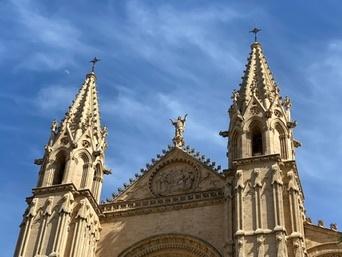
Palma
More Fotos