What difficulties do locals face in keeping Catalan alive across Mallorca?
Similar Topics
mallorquí language
catalan promotion
valldemossa catalan
franco dictatorship
tib bus mallorca
mallorca culture
mallorca festivals
catalan education
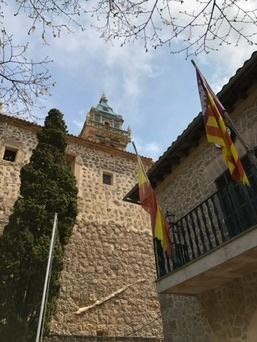
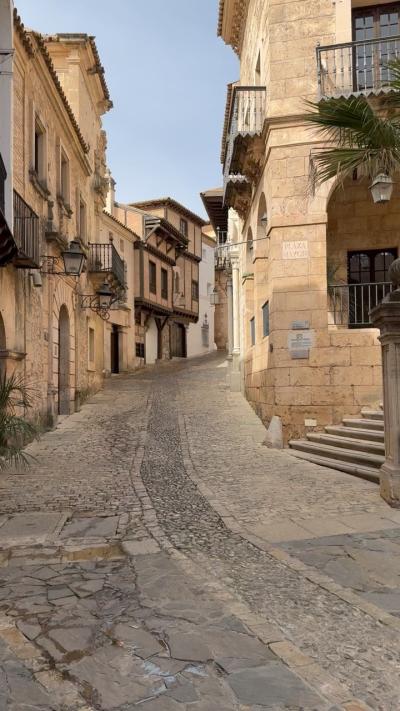
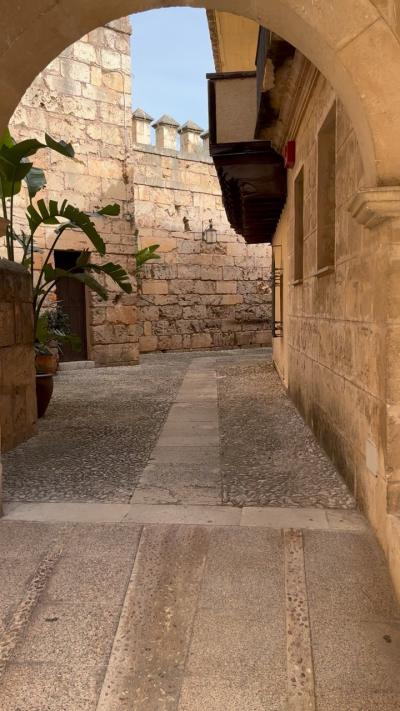
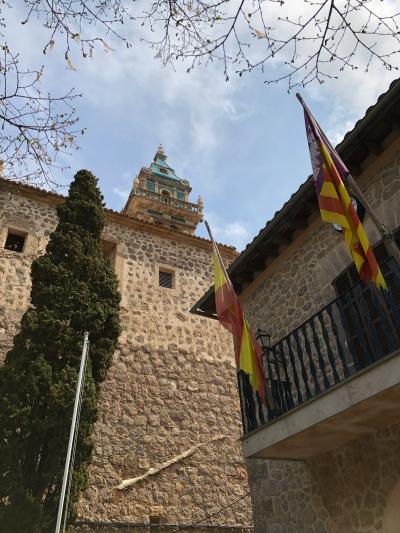
If you wander through the narrow streets of Valldemossa or listen closely during a village festival, you’ll notice that Mallorquí—the local variety of Catalan—is a living tongue, yet one carefully balanced against stronger pressures. Despite its official status, the island’s Catalan variant wrestles with a legacy of marginalization that continues to affect how residents promote and preserve it. Under Franco’s rule, Catalan was suppressed in public life, a shadow still felt in some attitudes today, especially in more tourist-heavy areas like Palma or along the Ma-19 where Spanish often dominates.
Political nuances further complicate the picture. While Catalan here is a key part of local identity, it lacks the independence movement associations that define attitudes in Catalonia. However, this sometimes means less political urgency or funding for language promotion compared to mainland Catalan-speaking communities. Practical challenges remain, such as limited media in Mallorquí and fewer educational resources outside urban centers like Manacor or Soller, which risks younger generations drifting toward Spanish or even English, common in tourist hubs.
Yet, pockets of resistance thrive through community efforts: cultural events like the Festa de l’Ametler in Sóller or theatre productions in the town halls offer spaces where Mallorquí isn’t just heard, but celebrated. Traditional foods like sobrassada or ensaimada are often named and discussed in the local language, reinforcing everyday use. Public transportation announcements on the TIB bus network and road signs along the Serra de Tramuntana also help keep the language visible. Through a blend of these quiet but persistent actions, locals work to ensure Mallorquí remains woven into the island’s cultural fabric despite ongoing challenges.
Political nuances further complicate the picture. While Catalan here is a key part of local identity, it lacks the independence movement associations that define attitudes in Catalonia. However, this sometimes means less political urgency or funding for language promotion compared to mainland Catalan-speaking communities. Practical challenges remain, such as limited media in Mallorquí and fewer educational resources outside urban centers like Manacor or Soller, which risks younger generations drifting toward Spanish or even English, common in tourist hubs.
Yet, pockets of resistance thrive through community efforts: cultural events like the Festa de l’Ametler in Sóller or theatre productions in the town halls offer spaces where Mallorquí isn’t just heard, but celebrated. Traditional foods like sobrassada or ensaimada are often named and discussed in the local language, reinforcing everyday use. Public transportation announcements on the TIB bus network and road signs along the Serra de Tramuntana also help keep the language visible. Through a blend of these quiet but persistent actions, locals work to ensure Mallorquí remains woven into the island’s cultural fabric despite ongoing challenges.
Valldemossa
More Fotos