How did the Consolat del Mar influence maritime trade and law in Mallorca's ports?
Similar Topics
consolat del mar
maritime law
palma harbour
mallorca ports
medieval trade
maritime commerce
alcudia port
pollenca harbor
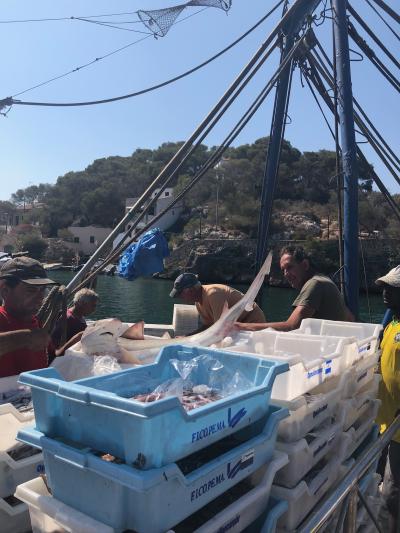
The salty sea breeze carries echoes of ancient commerce along Palma’s harbour, once a thriving nexus of Mediterranean trade. The Consolat del Mar, a medieval code of maritime law, was instrumental here in shaping the island’s seafaring and trading customs. This legal framework arose as a practical response to the complexities faced by merchants and sailors navigating goods through Mallorca’s busy ports, including Alcudia and Pollensa. By standardizing rules on ship ownership, cargo disputes, and commercial conduct, it helped reduce conflict and foster smoother transactions that benefited local economies.
Its impact spread swiftly across coastal towns and islands, weaving a common thread through diverse maritime communities. Mallorca’s ports became part of a wider network governed by shared principles that promoted trust and cooperation. The Consolat del Mar’s blend of commercial pragmatism and community consensus served not only to protect individual interests but also to bolster regional trade stability. Through this, Palma and the surrounding ports flourished, underpinning the island’s evolution from local market hubs into key players in Mediterranean shipping.
Though centuries have passed since its inception, the legacy lives on beneath the bustling marinas and tranquil coves like Formentor and Cala Mondrago. Many elements of modern maritime law trace their roots back to this early code, reinforcing the lasting influence of the medieval Consolat del Mar on the island’s legal and commercial landscape. For travellers curious about Mallorca’s deep connection to the sea, understanding this tradition offers richer insight into how law and commerce shaped its enduring maritime identity.
Its impact spread swiftly across coastal towns and islands, weaving a common thread through diverse maritime communities. Mallorca’s ports became part of a wider network governed by shared principles that promoted trust and cooperation. The Consolat del Mar’s blend of commercial pragmatism and community consensus served not only to protect individual interests but also to bolster regional trade stability. Through this, Palma and the surrounding ports flourished, underpinning the island’s evolution from local market hubs into key players in Mediterranean shipping.
Though centuries have passed since its inception, the legacy lives on beneath the bustling marinas and tranquil coves like Formentor and Cala Mondrago. Many elements of modern maritime law trace their roots back to this early code, reinforcing the lasting influence of the medieval Consolat del Mar on the island’s legal and commercial landscape. For travellers curious about Mallorca’s deep connection to the sea, understanding this tradition offers richer insight into how law and commerce shaped its enduring maritime identity.

Palma
More Fotos