How does the architecture in Palma reflect its historical influences?
Similar Topics
Palma architecture
Mallorca history
Gothic architecture
Moorish design
Baroque buildings
Renaissance architecture
Palma Cathedral La Seu
Mallorca travel
historical influences
modern architecture
Palma, the capital of Mallorca, is a stunning showcase of architectural styles that reflect its rich and diverse history. The city’s architecture tells the story of various influences, from the Romans and Moors to the Catalans and beyond. One of the most prominent features is the magnificent Palma Cathedral, known as La Seu, which is a striking example of Gothic architecture infused with Moorish elements. Its towering spires and intricate stonework, combined with the use of local materials, create a unique character that encapsulates the island's historical narrative.
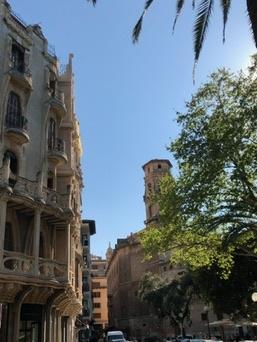
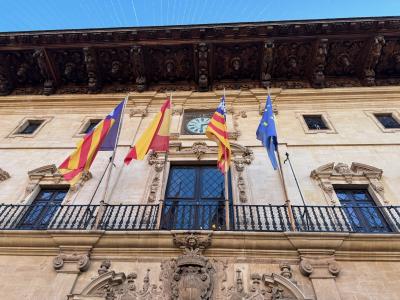
As you wander through the winding streets of Palma, you’ll notice the distinct characteristics of the various architectural styles that have shaped the city over centuries. The narrow alleys and charming courtyards reveal the influence of Moorish design, particularly in the layout of the old town, where features like arched doorways and decorative tile work evoke a sense of the past. Furthermore, the Baroque and Renaissance styles are evident in many buildings, such as the grand palaces and churches that dot the landscape, showcasing the wealth and power of the island during the Spanish Empire.
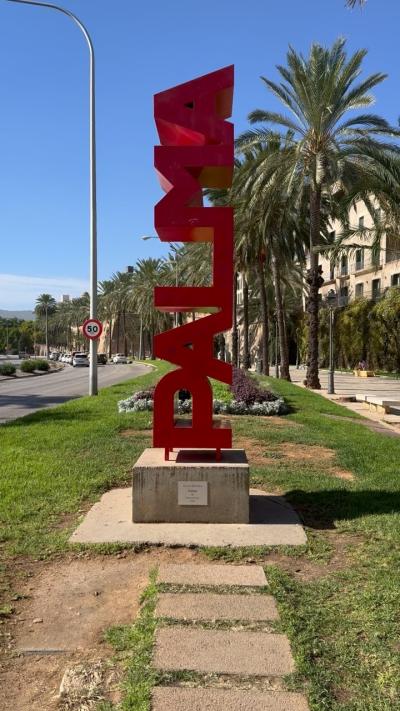
In addition to these historical styles, Palma also embraces modern architecture, creating a fascinating contrast between the old and new. The juxtaposition of contemporary structures alongside traditional buildings highlights the city’s evolution and its ability to adapt while honoring its heritage. Overall, Palma’s architectural landscape is a beautiful tapestry that reflects the myriad of cultures that have left their mark on the island, inviting visitors to explore and appreciate its historical depth and richness.
As you wander through the winding streets of Palma, you’ll notice the distinct characteristics of the various architectural styles that have shaped the city over centuries. The narrow alleys and charming courtyards reveal the influence of Moorish design, particularly in the layout of the old town, where features like arched doorways and decorative tile work evoke a sense of the past. Furthermore, the Baroque and Renaissance styles are evident in many buildings, such as the grand palaces and churches that dot the landscape, showcasing the wealth and power of the island during the Spanish Empire.
In addition to these historical styles, Palma also embraces modern architecture, creating a fascinating contrast between the old and new. The juxtaposition of contemporary structures alongside traditional buildings highlights the city’s evolution and its ability to adapt while honoring its heritage. Overall, Palma’s architectural landscape is a beautiful tapestry that reflects the myriad of cultures that have left their mark on the island, inviting visitors to explore and appreciate its historical depth and richness.
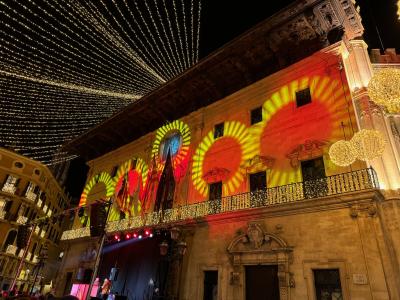
Palma
More Fotos