What traditional food customs or dining rituals do locals follow on the island?
Similar Topics
pa amb oli
sobrassada
ensaimada
binissalem wine
tumbet
hierbas
sant sebastia
mallorca food traditions
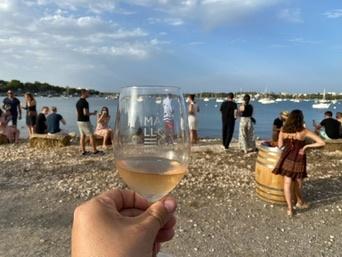
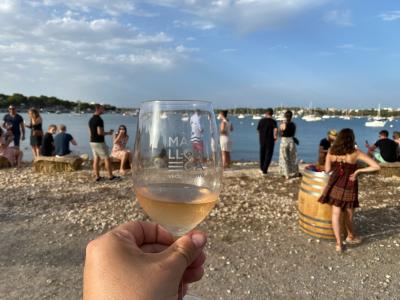
Locals on the island often approach meals as a time to unwind and connect, especially when gathered around the table in towns like Palma or Pollenca. It’s common for a meal to start leisurely with a plate of pa amb oli—crusty bread rubbed with tomato and drizzled with olive oil, often served with sobrassada, the island’s signature cured sausage. The pace slows down to savor not just the food but the company, with conversations flowing just as freely as the local Binissalem wine.
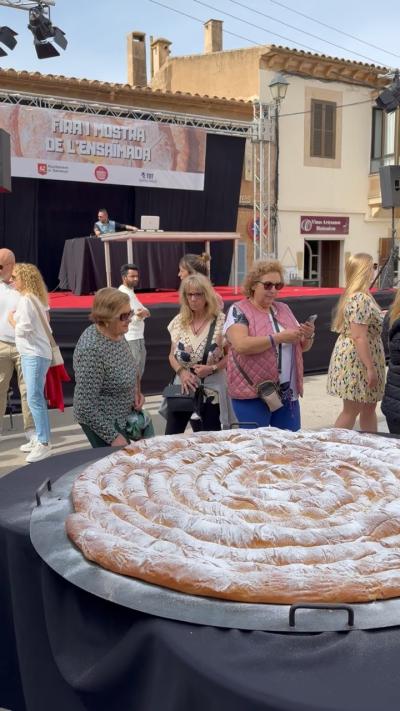
Many families still embrace the tradition of sitting down together for a midday meal, which might include tumbet, a layered vegetable and potato dish that echoes the island’s rural roots. Desserts often feature ensaimada, a light, spiral-shaped pastry enjoyed alongside a glass of Hierbas, a herby liqueur that locals sip modestly after dining. These rituals highlight the importance placed on savoring the moment rather than rushing.
Even in Palma, where urban life pulses, you’ll find neighborhoods where small, family-run restaurants maintain these customs, preserving a sense of community and continuity. Festivals like Sant Sebastià further enliven these traditions with feasts and shared gatherings, reinforcing how food remains a powerful social glue here as much as a source of nourishment. Whether in seaside villages or mountain hamlets like Valldemossa and Deia, the island’s food customs invite you to slow down and taste history on the tongue.
Many families still embrace the tradition of sitting down together for a midday meal, which might include tumbet, a layered vegetable and potato dish that echoes the island’s rural roots. Desserts often feature ensaimada, a light, spiral-shaped pastry enjoyed alongside a glass of Hierbas, a herby liqueur that locals sip modestly after dining. These rituals highlight the importance placed on savoring the moment rather than rushing.
Even in Palma, where urban life pulses, you’ll find neighborhoods where small, family-run restaurants maintain these customs, preserving a sense of community and continuity. Festivals like Sant Sebastià further enliven these traditions with feasts and shared gatherings, reinforcing how food remains a powerful social glue here as much as a source of nourishment. Whether in seaside villages or mountain hamlets like Valldemossa and Deia, the island’s food customs invite you to slow down and taste history on the tongue.
More Fotos

Related Questions
Related Question
Are there any historical reenactments or themed events for children during a visit to Mallorca?
Related Question
Are there any stops or attractions worth visiting along the way to Port de Pollença?
Related Question
Are there nightlife spots in Mallorca that combine indoor and outdoor spaces?