What difficulties did Jaume I encounter during his landing on Mallorca and his conquest of the island?
Similar Topics
jaume i
conquest of mallorca
santa ponsa landing
palma siege
serra de tramuntana
almohad resistance
balearic history
medieval campaigns
The initial landing at Santa Ponsa posed a formidable challenge for Jaume I and his forces. Facing fierce resistance from the Almohad defenders, who knew the island’s rugged coastline and had fortified key towns like Palma, the invaders had to negotiate difficult terrain and numerous ambushes. Supplying and maintaining his army across the Mediterranean only compounded these obstacles, as he relied on a fragile chain of maritime support to sustain the campaign.
As the conquest continued, Jaume I needed to manage a demoralized and exhausted army while navigating the complex social landscape marked by Muslim, Jewish, and Christian communities. Strategic sieges, especially around Palma and Alcúdia, demanded not only military strength but careful diplomacy, as local Christian factions allied with him in hopes of gaining land and influence. Balancing conquest with efforts to win over the islanders’ allegiance was crucial to securing lasting control.
Ultimately, his success came from adapting tactics to Mallorca’s unique geography—from the Serra de Tramuntana mountains to the fertile plains—and forging key alliances. The capture of Palma in 1229 was a decisive moment, marking the start of a new chapter in the island’s history and reflecting Jaume I’s ability to surmount both natural and political challenges.
As the conquest continued, Jaume I needed to manage a demoralized and exhausted army while navigating the complex social landscape marked by Muslim, Jewish, and Christian communities. Strategic sieges, especially around Palma and Alcúdia, demanded not only military strength but careful diplomacy, as local Christian factions allied with him in hopes of gaining land and influence. Balancing conquest with efforts to win over the islanders’ allegiance was crucial to securing lasting control.
Ultimately, his success came from adapting tactics to Mallorca’s unique geography—from the Serra de Tramuntana mountains to the fertile plains—and forging key alliances. The capture of Palma in 1229 was a decisive moment, marking the start of a new chapter in the island’s history and reflecting Jaume I’s ability to surmount both natural and political challenges.
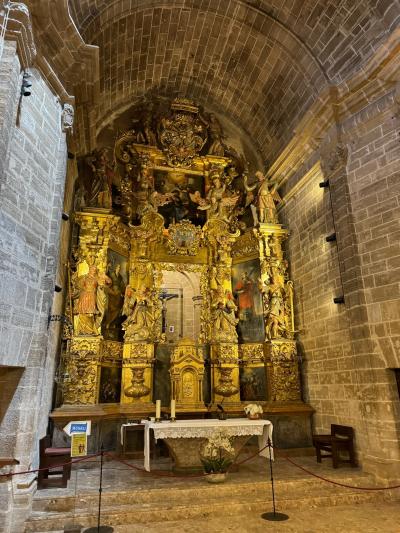
Alcúdia
More Fotos



Related Questions
Related Question
Are there vegan dining options available in towns like Palma or Soller, or mostly vegetarian food?
Related Question
What architectural styles can I expect to see at historical sites around Palma and the Tramuntana?
Related Question
Are there any scenic walks or viewpoints near Cala Pi that I shouldn’t miss?