What types of artifacts have been discovered at the Talaiotic necropolis sites in Mallorca?
Similar Topics
talaiotic necropolis
mallorca artifacts
prehistoric pottery
burial customs
bronze age mallorca
archaeological finds
ancient mallorca
tomb artifacts
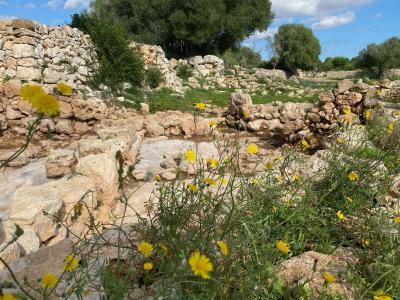
Exploring the island’s Talaiotic necropolises, especially around towns like Artà and Capdepera, reveals an intriguing collection of artifacts that illuminate the Bronze and Iron Age cultures once settled here. Pottery fragments, often hand-crafted with simple geometric patterns, are commonly found, hinting at both everyday use and symbolic functions in funerary rites. These ceramics help illustrate the artistic expression and spiritual beliefs of the ancient inhabitants.
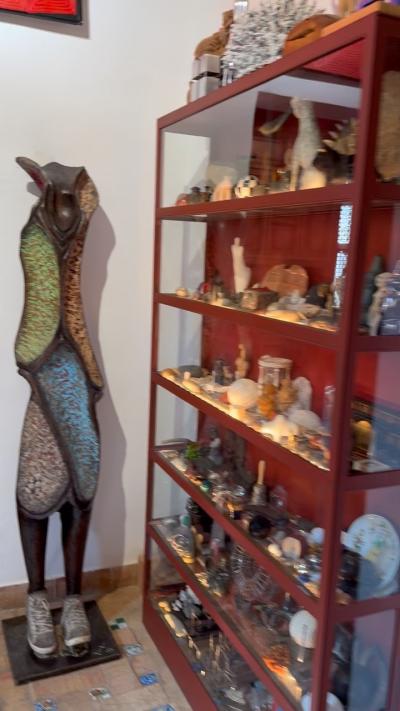
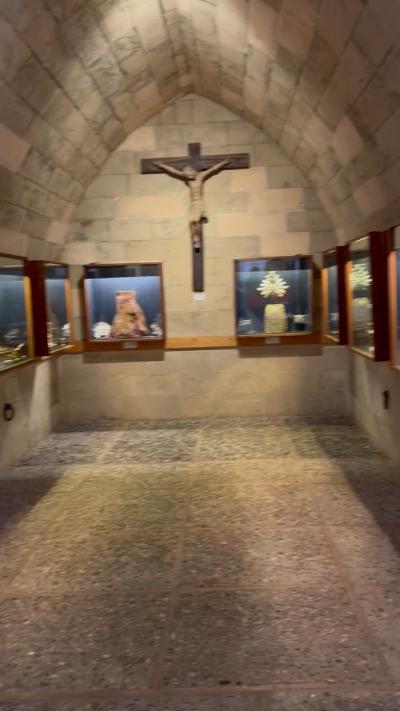
Archaeologists have also unearthed stone tools, personal adornments such as beads and pendants made from bone or local shells, and occasional bronze objects that suggest evolving craftsmanship and trade connections. Unlike more ostentatious burial sites elsewhere, many of these finds reflect a modest but meaningful set of burial offerings, implying a community focused on ritual continuity rather than wealth display.
Some stone figurines and carved idols accompany these graves, believed to have served protective roles or represented deities linked to the afterlife. Together, they paint a vivid picture of how prehistoric Mallorcans viewed death — not as an end but a passage guarded with care and tradition. Walking among these ancient tombs, the stories embedded in these artifacts invite visitors to reconnect with the island’s earliest chapters through tangible links to past lives and spiritual worldviews.
Archaeologists have also unearthed stone tools, personal adornments such as beads and pendants made from bone or local shells, and occasional bronze objects that suggest evolving craftsmanship and trade connections. Unlike more ostentatious burial sites elsewhere, many of these finds reflect a modest but meaningful set of burial offerings, implying a community focused on ritual continuity rather than wealth display.
Some stone figurines and carved idols accompany these graves, believed to have served protective roles or represented deities linked to the afterlife. Together, they paint a vivid picture of how prehistoric Mallorcans viewed death — not as an end but a passage guarded with care and tradition. Walking among these ancient tombs, the stories embedded in these artifacts invite visitors to reconnect with the island’s earliest chapters through tangible links to past lives and spiritual worldviews.
Santanyí
More Fotos

Related Questions
Related Question
Are there any specific hotels in Artá that are known for their unique rooftop terrace designs?
Related Question
What are the entry fees or reservation requirements for popular beach clubs in Magaluf?
Related Question
What unique marine life might I encounter while swimming around Mallorca's beaches and coves?