What unique architectural features should I look out for inside Palma Cathedral?
Similar Topics
palma cathedral
la seu
gothic architecture
stained glass windows
vaulted ceilings
local sandstone
gaudí chapel
altarpieces
The Cathedral of Santa Maria of Palma, commonly known as La Seu, stands as a remarkable fusion of Gothic grandeur and local artistry. Its soaring vaulted ceilings draw inspiration from the Mediterranean light, with natural illumination filtering through vivid stained glass windows that cast ever-shifting colors onto the elegant stone floor. These windows, dating from various periods, depict biblical stories intertwined with Mallorcan religious iconography, inviting visitors to pause and reflect within this luminous space.
Attention to detail reveals the cathedral's connection to the island’s geology; native sandstone shapes the pillars and arches, giving the interior a warm, honeyed tone. The intricate rib vaults of the nave tower impressively overhead, while the delicate carvings on the columns include motifs inspired by Mallorca’s natural beauty and Christian symbolism. In some chapels tucked along the sides, visitors encounter rich altarpieces with gold leaf accents and sculptures that vary from early Gothic austerity to Baroque flourish, highlighting the cathedral’s centuries-long artistic evolution.
Noteworthy is the chapel designed by Antoni Gaudí in the early 20th century, where modern design elements subtly blend with medieval architecture, enhancing the sense of sacred space rather than overpowering it. Pausing in quieter corners reveals smaller artistic treasures, from painted wooden altars to intricate ironwork, each contributing to the cathedral’s layered history. Exploring these features offers a deeper appreciation of how Palma’s cathedral reflects both the island’s spiritual heritage and its evolving artistic journey.
Attention to detail reveals the cathedral's connection to the island’s geology; native sandstone shapes the pillars and arches, giving the interior a warm, honeyed tone. The intricate rib vaults of the nave tower impressively overhead, while the delicate carvings on the columns include motifs inspired by Mallorca’s natural beauty and Christian symbolism. In some chapels tucked along the sides, visitors encounter rich altarpieces with gold leaf accents and sculptures that vary from early Gothic austerity to Baroque flourish, highlighting the cathedral’s centuries-long artistic evolution.
Noteworthy is the chapel designed by Antoni Gaudí in the early 20th century, where modern design elements subtly blend with medieval architecture, enhancing the sense of sacred space rather than overpowering it. Pausing in quieter corners reveals smaller artistic treasures, from painted wooden altars to intricate ironwork, each contributing to the cathedral’s layered history. Exploring these features offers a deeper appreciation of how Palma’s cathedral reflects both the island’s spiritual heritage and its evolving artistic journey.

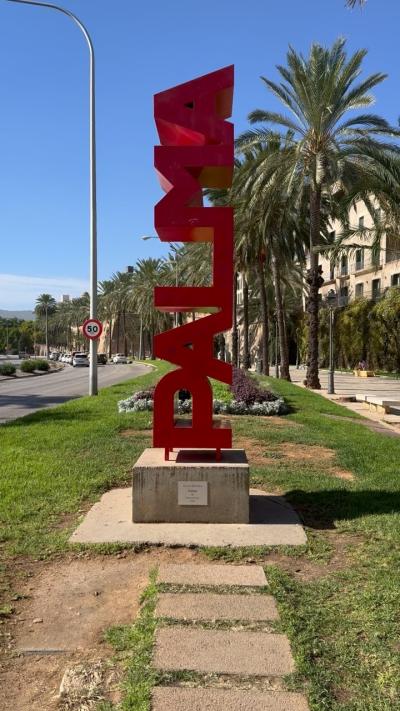
Palma
More Fotos


Related Questions
Related Question
What kinds of recreational activities do luxury hotels on Mallorca typically offer?
Related Question
Where can I find gluten-free or vegan bakery options in Palma or elsewhere on the island?
Related Question
Are there any guided tours available at the talaiotic settlement in S’Illot?