How do the characteristic trees and forests shape the natural environment in Mallorca?
Similar Topics
mallorca trees
serra de tramuntana
native forests
olive groves
soil erosion
biodiversity mallorca
carbon absorption
mediterranean habitat
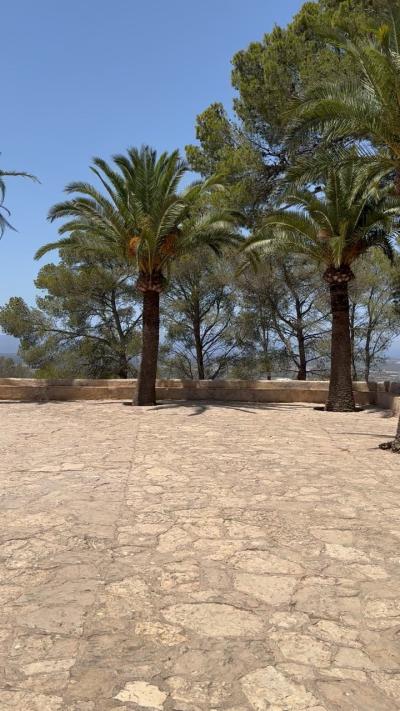
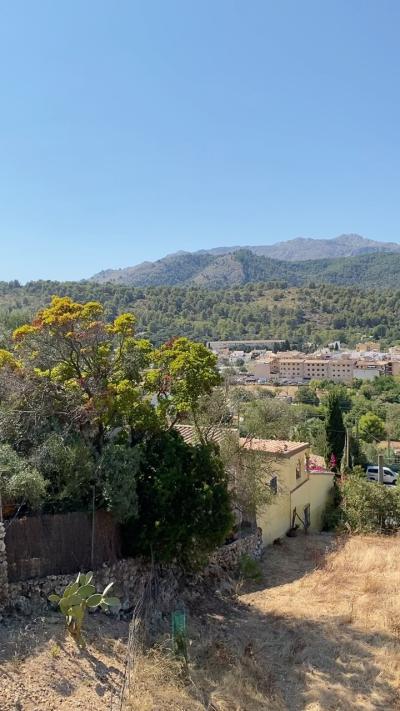
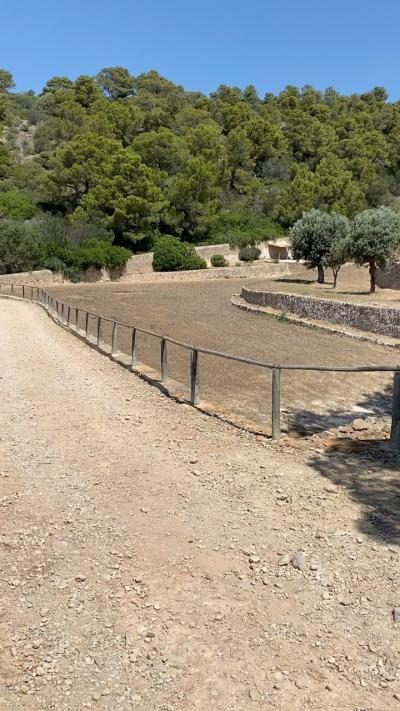
Over the past decade, increased awareness of Mallorca's delicate landscapes has highlighted the crucial role native trees play in preserving the island’s natural environment. The olive groves around Sóller, the carob trees dotting the Serra de Tramuntana, and the Aleppo pines near the coves of Cala Mondragó create essential habitats that support diverse wildlife, from endemic lizards to an array of birds. Their root systems help stabilize the often steep, terraced terrain, preventing erosion especially along the winding Ma-10, which traverses the mountainous northwest coast.
Many of these species are adapted to withstand the Mediterranean climate's dry spells and salty sea breezes, making them vital in maintaining soil quality and water retention. Forested areas also influence the microclimates, regulating humidity and providing shade that supports undergrowth like the fragrant rosemary and thyme. These green spaces contribute to cleaner air by absorbing carbon dioxide—a natural counterbalance to increasing tourism-related emissions, especially in busy areas like Palma and Alcúdia.
Furthermore, the interconnection between trees and local agriculture is evident in traditional practices; for example, carob pods are still harvested as fodder, while the oak woodlands have long supplied materials for crafts. This living landscape nourishes not only the island’s biodiversity but also its cultural heritage. Visitors can easily explore these habitats, whether hiking in the Tramuntana or strolling through Valldemossa's olive groves, gaining firsthand appreciation of how trees sustain both nature and community life here.
Many of these species are adapted to withstand the Mediterranean climate's dry spells and salty sea breezes, making them vital in maintaining soil quality and water retention. Forested areas also influence the microclimates, regulating humidity and providing shade that supports undergrowth like the fragrant rosemary and thyme. These green spaces contribute to cleaner air by absorbing carbon dioxide—a natural counterbalance to increasing tourism-related emissions, especially in busy areas like Palma and Alcúdia.
Furthermore, the interconnection between trees and local agriculture is evident in traditional practices; for example, carob pods are still harvested as fodder, while the oak woodlands have long supplied materials for crafts. This living landscape nourishes not only the island’s biodiversity but also its cultural heritage. Visitors can easily explore these habitats, whether hiking in the Tramuntana or strolling through Valldemossa's olive groves, gaining firsthand appreciation of how trees sustain both nature and community life here.
More Fotos