How has the history of Mallorca shaped its culinary traditions?
Similar Topics
Mallorca culinary traditions
Mallorca history
Moorish influence
traditional Mallorcan dishes
local produce Mallorca
Mallorca cuisine
Mediterranean flavors
Mallorca food culture
Manto Negro grape
Mallorca desserts
The culinary traditions of Mallorca are deeply intertwined with the island's rich and varied history, which has been influenced by numerous cultures over the centuries. Initially, the island's cuisine was shaped by the indigenous Talaiotic people, who relied heavily on local produce, fish, and game. However, the arrival of the Romans brought new agricultural techniques and ingredients, introducing crops such as olives and grapes that have become staples in Mallorcan cooking. As the island fell under the rule of various civilizations, including the Moors, its culinary landscape evolved further, incorporating spices, nuts, and rice—elements that are still prominently featured today.
The Moorish influence is particularly noteworthy, as it introduced the concept of using aromatic spices and herbs, which are evident in traditional dishes like 'tumbet' and 'frito mallorquín.' Additionally, the cultivation of almonds and citrus fruits during this period has significantly shaped local desserts and pastries. Following the Reconquista, Mallorcan cuisine began to reflect Spanish influences, with the incorporation of ingredients like tomatoes and peppers, which complemented the island's existing flavors. The subsequent introduction of the potato from the Americas also played a role in diversifying local dishes.
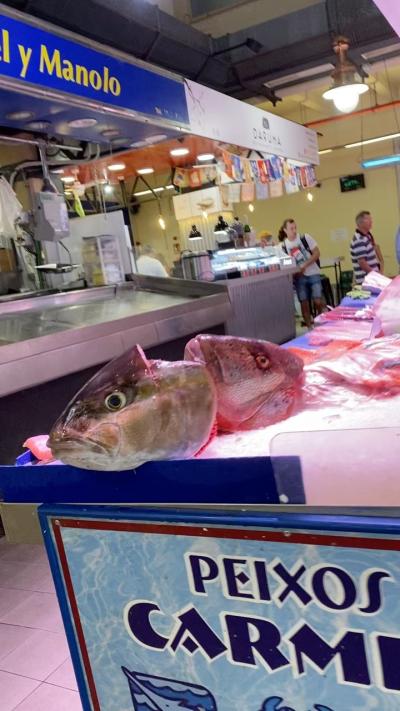
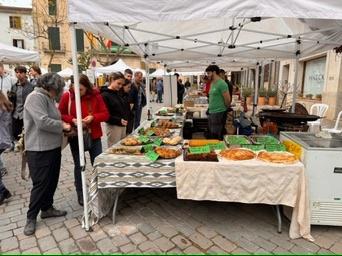
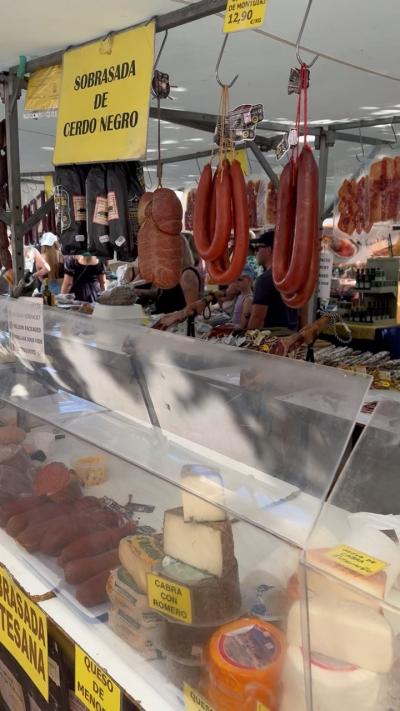
In modern times, Mallorca’s culinary scene continues to celebrate its heritage while embracing contemporary techniques and global influences. Traditional markets offer an abundance of local produce, cheeses, and cured meats, allowing chefs to create dishes that honor the island's history while appealing to today's palates. Local wines, particularly from the indigenous Manto Negro grape, have gained recognition and are increasingly paired with Mallorcan fare, highlighting the island’s commitment to preserving its culinary roots while evolving with the times. This blend of ancient traditions and modern innovation creates a rich tapestry that defines Mallorca's unique culinary identity, inviting visitors to savor the flavors of its storied past.
The Moorish influence is particularly noteworthy, as it introduced the concept of using aromatic spices and herbs, which are evident in traditional dishes like 'tumbet' and 'frito mallorquín.' Additionally, the cultivation of almonds and citrus fruits during this period has significantly shaped local desserts and pastries. Following the Reconquista, Mallorcan cuisine began to reflect Spanish influences, with the incorporation of ingredients like tomatoes and peppers, which complemented the island's existing flavors. The subsequent introduction of the potato from the Americas also played a role in diversifying local dishes.
In modern times, Mallorca’s culinary scene continues to celebrate its heritage while embracing contemporary techniques and global influences. Traditional markets offer an abundance of local produce, cheeses, and cured meats, allowing chefs to create dishes that honor the island's history while appealing to today's palates. Local wines, particularly from the indigenous Manto Negro grape, have gained recognition and are increasingly paired with Mallorcan fare, highlighting the island’s commitment to preserving its culinary roots while evolving with the times. This blend of ancient traditions and modern innovation creates a rich tapestry that defines Mallorca's unique culinary identity, inviting visitors to savor the flavors of its storied past.
More Fotos