What traditional foods should I try in Mallorca during my visit?
Similar Topics
pa amb oli
sobrassada
ensaimada
tumbet
hierbas liqueur
binissalem wine
sant sebastia
soller railway
Savoring the island’s distinctive flavors often begins with a slice of pa amb oli, a simple but iconic dish of rustic bread rubbed with ripe tomatoes, drizzled with local olive oil, and topped with sobrassada or Mahón cheese. Each town puts its spin on this staple, from Palma’s bustling markets to quiet villages like Valldemossa. For a heartier meal, tumbet offers a hearty vegetarian option, layering fried aubergines, peppers, and potatoes in a tomato sauce that feels rooted in Mallorcan home cooking.
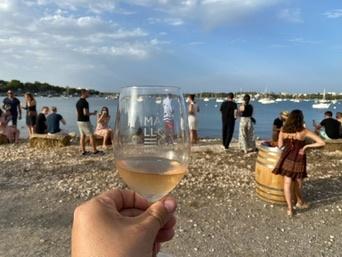
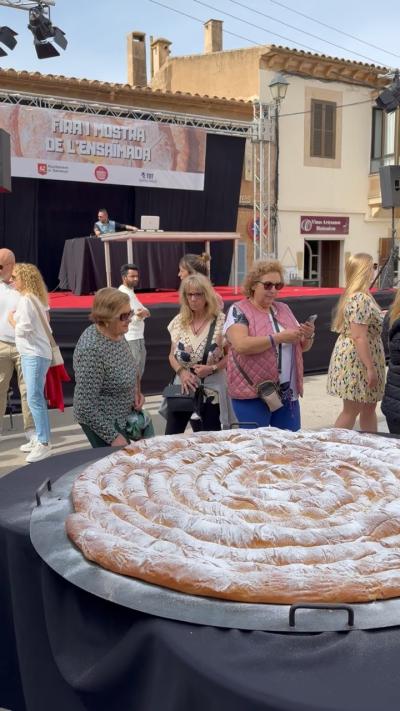
For a real taste of Mallorca’s artisan heritage, try the ensaimada—an airy spiral pastry dusted with powdered sugar that has been crafted here for centuries. Available in cafes from Alcudia to Deia, it pairs beautifully with a cup of Café Bombón or a sharp glass of Hierbas, the herbal liqueur that locals often enjoy as a digestif. Those keen on local wine will find the Binissalem region’s reds and whites perfectly complement most dishes.
Historic markets and family-run eateries along the Ma-13 and in towns like Soller or Pollenca often serve fresh seafood and locally raised meats, spotlighting seasonal ingredients. During festivities such as the Nit de Foc or Sant Sebastià, food stalls offer traditional snacks, giving visitors a lively introduction to the island’s culinary identity. Exploring Mallorca on foot or by the Soller railway, a great hop-off point for tasting tours, allows for an immersive experience in the island’s rich food culture.
For a real taste of Mallorca’s artisan heritage, try the ensaimada—an airy spiral pastry dusted with powdered sugar that has been crafted here for centuries. Available in cafes from Alcudia to Deia, it pairs beautifully with a cup of Café Bombón or a sharp glass of Hierbas, the herbal liqueur that locals often enjoy as a digestif. Those keen on local wine will find the Binissalem region’s reds and whites perfectly complement most dishes.
Historic markets and family-run eateries along the Ma-13 and in towns like Soller or Pollenca often serve fresh seafood and locally raised meats, spotlighting seasonal ingredients. During festivities such as the Nit de Foc or Sant Sebastià, food stalls offer traditional snacks, giving visitors a lively introduction to the island’s culinary identity. Exploring Mallorca on foot or by the Soller railway, a great hop-off point for tasting tours, allows for an immersive experience in the island’s rich food culture.
More Fotos