What role did the Spanish crown play in Mallorca's history after losing independence?
Similar Topics
Mallorca history
Spanish crown
Crown of Aragon
Mallorca independence
Mallorca trade
Mallorca agriculture
Mallorca culture
Gothic architecture Palma
Mallorca tourism
Spanish influence Mallorca
The Spanish crown played a significant role in shaping Mallorca's history after the island lost its independence in the 13th century. Following the conquest of Mallorca by James I of Aragon in 1229, the island became part of the Crown of Aragon, which was later integrated into the Kingdom of Spain. This shift marked the beginning of a new administrative and cultural era for Mallorca. The Spanish crown aimed to consolidate its power over the island, implementing a feudal system that redistributed land among loyal nobles and establishing a centralized governance structure. This transition helped to integrate Mallorca more fully into the broader Spanish realm, fostering economic and social changes that would influence the island's development for centuries.
Under the auspices of the Spanish crown, Mallorca experienced a flourishing of trade and agriculture, which were vital to the island's economy. The crown encouraged the cultivation of crops like olive oil and wine, promoting exports that would enrich both local and national economies. Additionally, the establishment of new infrastructure, including roads and ports, facilitated increased commerce and communication between Mallorca and the mainland. The influence of Spanish culture began to permeate the island, evident in the architecture, language, and customs that developed during this period.
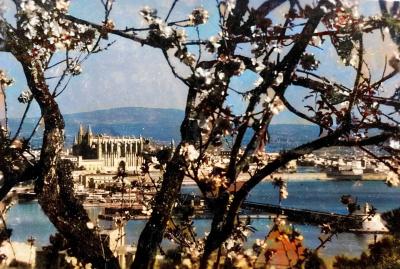
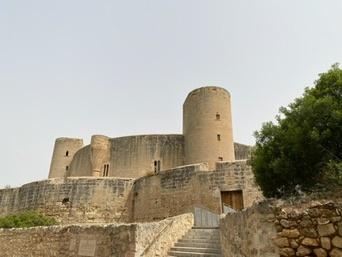
As the centuries progressed, the Spanish crown's impact on Mallorca continued to evolve, navigating through various political and social changes, including the rise of regional identities and the push for autonomy. The island maintained its unique character, blending its rich history with the broader Spanish culture. The crown's policies and governance shaped the island's trajectory, contributing to a sense of identity that resonates with residents today. Visitors to Mallorca can still see remnants of this history in the stunning architecture of towns like Palma, where Gothic cathedrals and historic fortifications tell the story of the island's complex relationship with the Spanish crown.
Under the auspices of the Spanish crown, Mallorca experienced a flourishing of trade and agriculture, which were vital to the island's economy. The crown encouraged the cultivation of crops like olive oil and wine, promoting exports that would enrich both local and national economies. Additionally, the establishment of new infrastructure, including roads and ports, facilitated increased commerce and communication between Mallorca and the mainland. The influence of Spanish culture began to permeate the island, evident in the architecture, language, and customs that developed during this period.
As the centuries progressed, the Spanish crown's impact on Mallorca continued to evolve, navigating through various political and social changes, including the rise of regional identities and the push for autonomy. The island maintained its unique character, blending its rich history with the broader Spanish culture. The crown's policies and governance shaped the island's trajectory, contributing to a sense of identity that resonates with residents today. Visitors to Mallorca can still see remnants of this history in the stunning architecture of towns like Palma, where Gothic cathedrals and historic fortifications tell the story of the island's complex relationship with the Spanish crown.

More Fotos