Are there any seasonal factors that might affect traveling to Mallorca by land and sea?
Similar Topics
Mallorca travel
seasonal factors
land transport
sea transport
peak tourist season
shoulder seasons
Mediterranean climate
ferry delays
travel tips
cultural sites
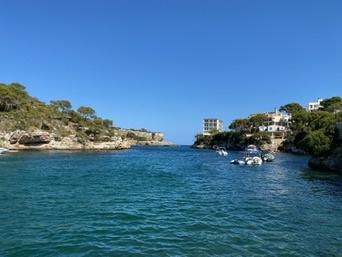
Traveling to Mallorca, one of the Balearic Islands, can indeed be influenced by seasonal factors, particularly in relation to land and sea transport. The peak tourist season typically runs from late spring through early fall, particularly from June to September. During this time, you can expect busy roads and crowded ferry terminals, as visitors flock to the island's stunning beaches and vibrant cultural sites. If you prefer a more tranquil experience, consider visiting during the shoulder seasons of late spring (May) or early fall (September to October), when the weather is still pleasant, and the crowds are significantly thinner. This can make for a more enjoyable journey, whether you’re driving or taking a ferry.
Weather is another crucial factor to consider. Mallorca enjoys a Mediterranean climate, characterized by hot, dry summers and mild, wet winters. If you're traveling by sea, be mindful that rough seas can occur in the winter months, especially from November to March, potentially leading to ferry delays or cancellations. On the other hand, the summer months often feature calm seas, making ferry travel more reliable, but you might encounter higher ticket prices and longer wait times due to increased demand. Additionally, if you're driving to catch a ferry, be prepared for the possibility of traffic congestion during the peak summer weeks. Planning your trip to align with more favorable conditions can enhance your overall travel experience to this beautiful island.
Weather is another crucial factor to consider. Mallorca enjoys a Mediterranean climate, characterized by hot, dry summers and mild, wet winters. If you're traveling by sea, be mindful that rough seas can occur in the winter months, especially from November to March, potentially leading to ferry delays or cancellations. On the other hand, the summer months often feature calm seas, making ferry travel more reliable, but you might encounter higher ticket prices and longer wait times due to increased demand. Additionally, if you're driving to catch a ferry, be prepared for the possibility of traffic congestion during the peak summer weeks. Planning your trip to align with more favorable conditions can enhance your overall travel experience to this beautiful island.
More Fotos