How does the Neptungras contribute to the local marine biodiversity in Mallorca?
Similar Topics
Neptungras
marine biodiversity
Mallorca
Mediterranean ecosystem
seagrass bed
marine species
coastal waters
oxygen production
carbon sequestration
conservation efforts
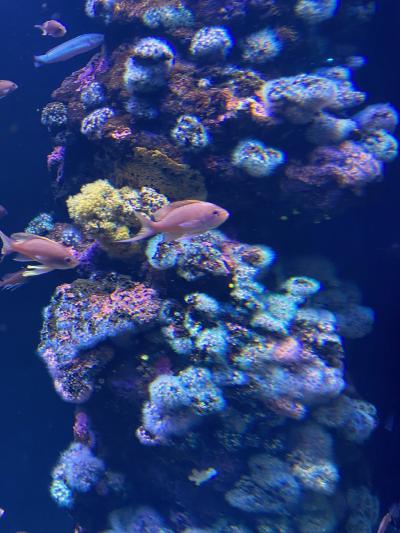
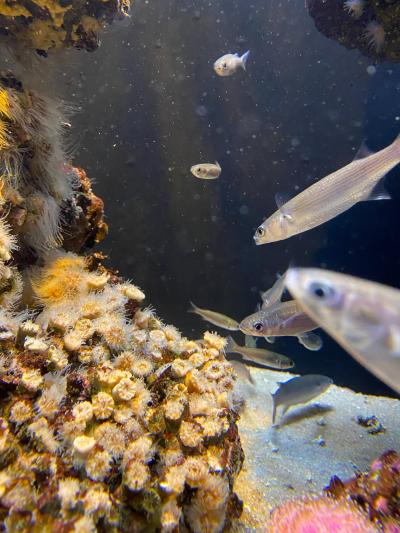
The Neptungras, or Neptune grass, plays a crucial role in enhancing the marine biodiversity around Mallorca, a stunning Mediterranean island known for its rich underwater ecosystems. This seagrass bed, found in the shallow coastal waters, serves as a vital habitat for a variety of marine species, including fish, mollusks, and crustaceans. By providing shelter and breeding grounds, the Neptungras supports a diverse community of organisms, ensuring a balanced and thriving marine environment.
Moreover, the presence of Neptune grass contributes to the overall health of the coastal waters. It helps stabilize the seabed, preventing erosion and reducing sedimentation that can cloud the water and harm other marine life. The grass also plays a significant role in oxygen production and carbon sequestration, which is essential for maintaining the ecological balance and mitigating climate change impacts. As you explore the stunning underwater landscapes around Mallorca, you may encounter vibrant schools of fish darting among the lush green blades of Neptungras, a testament to its importance in sustaining marine biodiversity and promoting a thriving ecosystem.
Protecting these seagrass meadows is essential, not only for the local marine life but also for the broader health of the Mediterranean Sea. Conservation efforts are increasingly vital as human activities and environmental changes threaten these delicate habitats. By appreciating and respecting the Neptungras during your visit, you contribute to the ongoing efforts to preserve Mallorca's natural beauty and its unique marine biodiversity for future generations to enjoy.
Moreover, the presence of Neptune grass contributes to the overall health of the coastal waters. It helps stabilize the seabed, preventing erosion and reducing sedimentation that can cloud the water and harm other marine life. The grass also plays a significant role in oxygen production and carbon sequestration, which is essential for maintaining the ecological balance and mitigating climate change impacts. As you explore the stunning underwater landscapes around Mallorca, you may encounter vibrant schools of fish darting among the lush green blades of Neptungras, a testament to its importance in sustaining marine biodiversity and promoting a thriving ecosystem.
Protecting these seagrass meadows is essential, not only for the local marine life but also for the broader health of the Mediterranean Sea. Conservation efforts are increasingly vital as human activities and environmental changes threaten these delicate habitats. By appreciating and respecting the Neptungras during your visit, you contribute to the ongoing efforts to preserve Mallorca's natural beauty and its unique marine biodiversity for future generations to enjoy.
Es Pil·larí
More Fotos