What notable landmarks can I expect to see on a hiking trail in the Tramuntana mountains?
Similar Topics
tramuntana hiking
serra de tramuntana
valldemossa trails
soller viewpoints
historic terraces
fornalutx chapel
tramuntana flora
mallorca hiking landmarks
Many first-time visitors imagine the Serra de Tramuntana hikes as just beautiful paths through wild nature, but these trails also reveal a rich blend of history and culture. As you trace the routes from towns like Valldemossa to Deia, old stone terraces and dry-stone walls built centuries ago to support olive groves and almond trees come into view, grounding the landscape in human stories. Crossing the route from Soller to Fornalutx, the traditional limestone architecture and ancient water channels reflect a past shaped by agriculture and community resilience.
Among the most charming landmarks are the tiny mountain chapels and viewpoints that reward walkers with sweeping views of the coastline and olive groves below. Near the Mirador de ses Barques, you can gaze over the sea towards the northern coves, while along the Ma-10 road, dramatic cliffs highlight nature’s grandeur. Midway through some trails, small springs and hidden cave entrances offer quiet spots to rest and soak in the serenity.
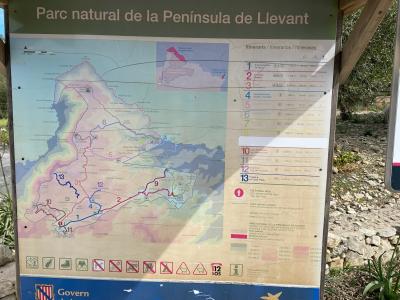
These natural features combine with historical remnants, such as mill ruins and hermitages, to enrich the experience. Informative plaques found in certain park areas help explain the island’s unique flora, including fragrant rosemary and wild orchids, as well as the cultural importance of terracing and irrigation that sustained communities here for generations. Hiking these paths is never just about the exercise; it’s a journey through an immersive landscape where nature and history intertwine beautifully.
Among the most charming landmarks are the tiny mountain chapels and viewpoints that reward walkers with sweeping views of the coastline and olive groves below. Near the Mirador de ses Barques, you can gaze over the sea towards the northern coves, while along the Ma-10 road, dramatic cliffs highlight nature’s grandeur. Midway through some trails, small springs and hidden cave entrances offer quiet spots to rest and soak in the serenity.
These natural features combine with historical remnants, such as mill ruins and hermitages, to enrich the experience. Informative plaques found in certain park areas help explain the island’s unique flora, including fragrant rosemary and wild orchids, as well as the cultural importance of terracing and irrigation that sustained communities here for generations. Hiking these paths is never just about the exercise; it’s a journey through an immersive landscape where nature and history intertwine beautifully.

More Fotos