How did the Arab rule influence the agricultural practices on Mallorca?
Similar Topics
Mallorca agriculture
Arab influence Mallorca
Moorish farming techniques
sustainable farming Mallorca
Mallorca crop rotation
irrigation systems Mallorca
historical agriculture practices
local markets Mallorca
traditional dishes Mallorca
cultural heritage Mallorca
The Arab rule over Mallorca, which lasted from the 10th century until the 13th century, profoundly influenced the island's agricultural practices, shaping the landscape and the way its inhabitants cultivated the land. Under the Moors, advanced agricultural techniques were introduced, including sophisticated irrigation systems, which allowed for the effective management of water resources in the region's varying climate. These innovations not only increased crop yields but also expanded the variety of crops that could thrive on the island. The introduction of new fruits and vegetables, such as citrus fruits, almonds, and various herbs, transformed Mallorca’s agricultural identity and contributed to a more diverse diet.
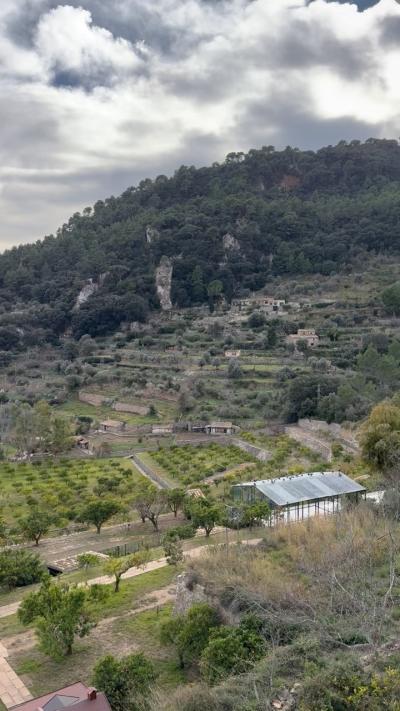
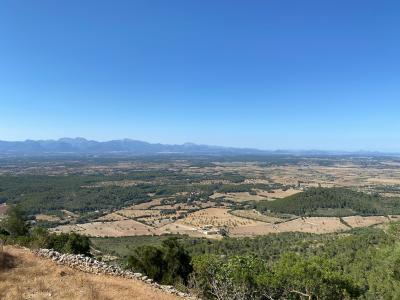
Additionally, the agricultural practices established during this period laid the groundwork for sustainable farming methods that are still in use today. The Moors emphasized the importance of crop rotation and soil conservation, techniques that ensured the land remained fertile and productive for generations. The terraced fields and stone walls that characterize the island’s rural areas are remnants of this era, showcasing the ingenuity of Moorish agricultural engineering. This legacy can still be seen in the picturesque countryside of Mallorca, where vineyards, olive groves, and orchards thrive, reflecting an enduring connection to the island’s rich agricultural history.
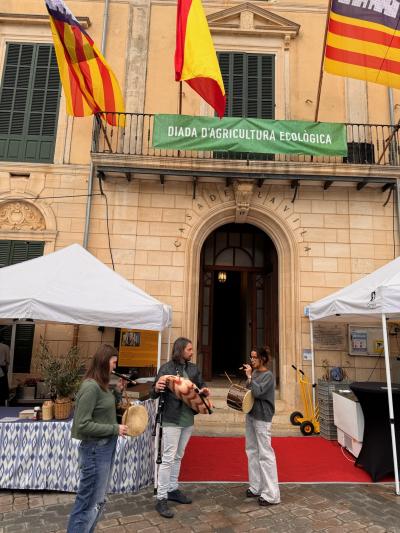
As you explore Mallorca, you can witness the impact of this historical agricultural influence firsthand. Many local markets proudly feature produce that has roots in these ancient practices, and traditional dishes often highlight the fruits and vegetables that were cultivated during the Arab rule. Visiting farms or participating in local harvest festivals offers an authentic glimpse into how these practices have evolved while still honoring the traditions brought by the Moors. The blend of cultures and the rich agricultural heritage continue to shape the island's identity, making Mallorca a unique destination for those interested in history and gastronomy alike.
Additionally, the agricultural practices established during this period laid the groundwork for sustainable farming methods that are still in use today. The Moors emphasized the importance of crop rotation and soil conservation, techniques that ensured the land remained fertile and productive for generations. The terraced fields and stone walls that characterize the island’s rural areas are remnants of this era, showcasing the ingenuity of Moorish agricultural engineering. This legacy can still be seen in the picturesque countryside of Mallorca, where vineyards, olive groves, and orchards thrive, reflecting an enduring connection to the island’s rich agricultural history.
As you explore Mallorca, you can witness the impact of this historical agricultural influence firsthand. Many local markets proudly feature produce that has roots in these ancient practices, and traditional dishes often highlight the fruits and vegetables that were cultivated during the Arab rule. Visiting farms or participating in local harvest festivals offers an authentic glimpse into how these practices have evolved while still honoring the traditions brought by the Moors. The blend of cultures and the rich agricultural heritage continue to shape the island's identity, making Mallorca a unique destination for those interested in history and gastronomy alike.
More Fotos
Related Questions
Related Question
How does the hotel cater to families or travelers with children compared to other hotels in the area?
Related Question
How do the dining prices in Vilafranca compare to other towns in Mallorca?
Related Question
Are there any specific airlines known for great service on flights to Mallorca?