What architectural features from the Arab period can still be seen in Mallorca?
Similar Topics
Mallorca architecture
Arab period Mallorca
Islamic art Mallorca
historical buildings Mallorca
Alcúdia architecture
Palma old town
azulejos tiles
Almudaina fortress
defensive walls Mallorca
Mallorca cultural heritage
Mallorca, with its rich history, showcases a fascinating blend of architectural influences, particularly from the Arab period that spanned from the 10th to the 13th centuries. One of the most prominent features from this era is the use of intricate tile work, known as "azulejos." These colorful ceramic tiles often adorn the facades of historical buildings, providing vibrant accents that reflect the Islamic artistic tradition. In towns like Alcúdia and Palma, you can find beautifully preserved examples of these tiles, which offer a glimpse into the craftsmanship of the time.
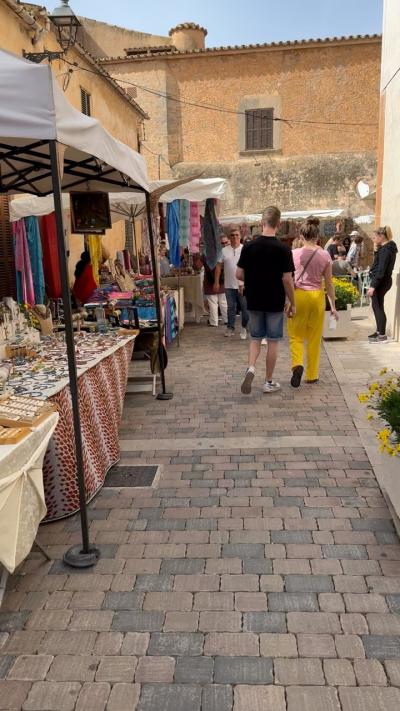
Another striking architectural feature from the Arab period is the layout of the old towns. The narrow, winding streets of Palma, especially in the historic district, are reminiscent of the medina style found in many North African cities. The streets are designed to create shade and privacy, with buildings closely packed together. Additionally, the remnants of ancient defensive walls, such as the ones that once surrounded the city of Palma, can still be seen today. These walls not only tell the story of the island's past but also provide stunning views of the surrounding landscape.
In terms of more monumental structures, the remnants of the Arab fortress known as "Almudaina" in Palma stand as a testament to the military architecture of the time. Its impressive stonework, along with the adjacent Gothic cathedral, creates a unique juxtaposition of styles that highlights the island's diverse heritage. Visitors can also appreciate the gardens and water features influenced by Islamic horticultural practices, which are designed to create serene and refreshing spaces amidst the sun-drenched landscape. Overall, the architectural legacy of the Arab period in Mallorca is a captivating aspect of the island's cultural tapestry, inviting exploration and appreciation for those who seek to understand its historical depth.
Another striking architectural feature from the Arab period is the layout of the old towns. The narrow, winding streets of Palma, especially in the historic district, are reminiscent of the medina style found in many North African cities. The streets are designed to create shade and privacy, with buildings closely packed together. Additionally, the remnants of ancient defensive walls, such as the ones that once surrounded the city of Palma, can still be seen today. These walls not only tell the story of the island's past but also provide stunning views of the surrounding landscape.
In terms of more monumental structures, the remnants of the Arab fortress known as "Almudaina" in Palma stand as a testament to the military architecture of the time. Its impressive stonework, along with the adjacent Gothic cathedral, creates a unique juxtaposition of styles that highlights the island's diverse heritage. Visitors can also appreciate the gardens and water features influenced by Islamic horticultural practices, which are designed to create serene and refreshing spaces amidst the sun-drenched landscape. Overall, the architectural legacy of the Arab period in Mallorca is a captivating aspect of the island's cultural tapestry, inviting exploration and appreciation for those who seek to understand its historical depth.

More Fotos