How can I spot restaurants serving authentic Mallorcan cuisine rather than tourist-focused menus?
Similar Topics
authentic mallorcan food
pa amb oli
sobrassada
binissalem wine
local restaurants palma
tramuntana cuisine
soller dining
mallorca traditional dishes
The culinary traditions on the island draw from centuries of Mediterranean influence combined with local farming and fishing. Dishes like pa amb oli, tumbet, and sobrassada have deep roots here, so spotting a restaurant that serves these classics is a good first step. You’ll often find that eateries popular with residents in towns like Palma’s Santa Catalina district, Soller, or Pollenca provide a more genuine taste experience than those along heavily touristed stretches like Magaluf or the resorts near Cala Mondrago.
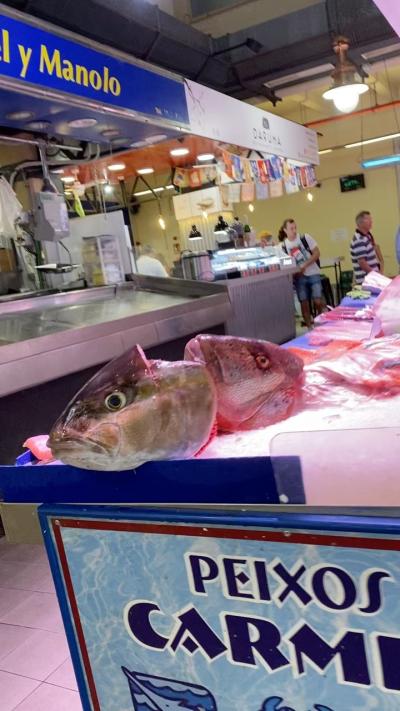
Menus focusing on locally sourced ingredients, such as Binissalem wine or freshly caught seafood from the bay, tend to be more authentic. Look for dishes using seasonal produce from the Serra de Tramuntana foothills or specialties cooked slowly in traditional wood ovens, which is a sign the kitchen honors local methods. Atmosphere counts, too; places with a vibrant, convivial crowd of locals—even if modest and unpretentious—usually indicate authenticity.
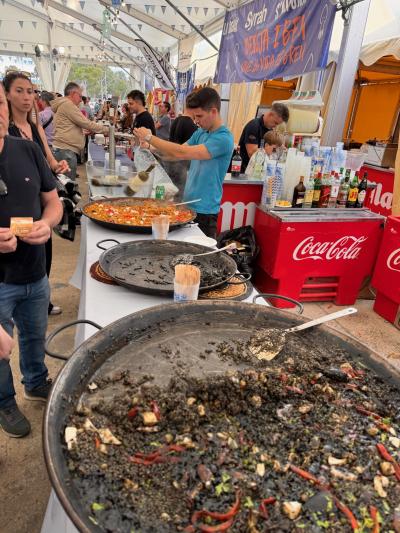
Asking shopkeepers or locals for their favorite dining spots can unearth hidden gems in villages like Deia or Valldemossa, where recipes have been passed down through generations. Also, check if the restaurant celebrates island festivals with special menus, perhaps around Sant Sebastià or the Festa de l'Ametler, underscoring a genuine connection to Mallorca’s culinary heritage. Together, these clues help separate true local fare from menus designed mainly to please tourists looking for generic Mediterranean dishes.
Menus focusing on locally sourced ingredients, such as Binissalem wine or freshly caught seafood from the bay, tend to be more authentic. Look for dishes using seasonal produce from the Serra de Tramuntana foothills or specialties cooked slowly in traditional wood ovens, which is a sign the kitchen honors local methods. Atmosphere counts, too; places with a vibrant, convivial crowd of locals—even if modest and unpretentious—usually indicate authenticity.
Asking shopkeepers or locals for their favorite dining spots can unearth hidden gems in villages like Deia or Valldemossa, where recipes have been passed down through generations. Also, check if the restaurant celebrates island festivals with special menus, perhaps around Sant Sebastià or the Festa de l'Ametler, underscoring a genuine connection to Mallorca’s culinary heritage. Together, these clues help separate true local fare from menus designed mainly to please tourists looking for generic Mediterranean dishes.
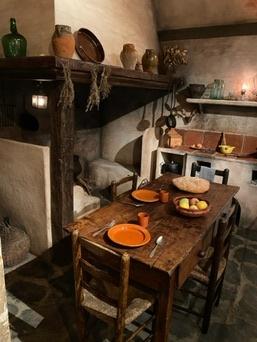
Son Bauló
More Fotos