What was daily life like for the people of Mallorca during his reign?
Similar Topics
Mallorca history
King James I of Aragon
13th century Mallorca
agricultural practices Mallorca
trade and commerce Mallorca
Mediterranean trade routes
cultural influences Mallorca
Christian and Islamic traditions
local festivals Mallorca
community life Mallorca
During the reign of King James I of Aragon in the 13th century, daily life in Mallorca was marked by a unique blend of agricultural practices, emerging trade, and the cultural influences of both Christian and Islamic traditions. The island was predominantly agricultural, with many residents engaged in farming and livestock rearing. The fertile lands allowed for the cultivation of crops such as wheat, barley, and olives, which were vital for sustenance and trade. Villagers often worked together, fostering a strong sense of community, as they depended on one another for labor during the planting and harvesting seasons.
As King James I sought to consolidate his power, he encouraged the development of trade and commerce. This led to the establishment of markets and the growth of coastal towns where merchants would gather to exchange goods. The island's strategic location in the Mediterranean made it a hub for trade routes, allowing Mallorcans to engage with various cultures and products from across Europe and North Africa. Daily life in the towns often revolved around these markets, where people would socialize, barter goods, and share news from different regions.
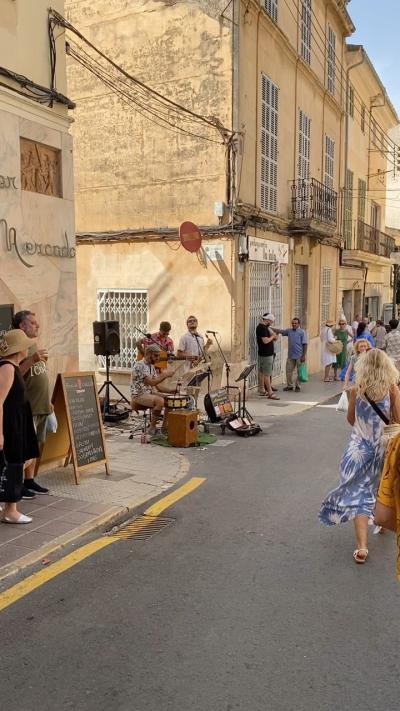
Culturally, the period was a fascinating time of fusion, as the Christian reconquest brought new customs and religious practices, while the remnants of the Islamic presence remained influential in architecture and local traditions. Festivals and religious observances were important aspects of daily life, often reflecting a blend of both cultures. Families would gather for meals that featured local ingredients, and storytelling, music, and dance were common forms of entertainment, creating a rich tapestry of life that was both vibrant and communal. Overall, daily life in Mallorca during this time was characterized by hard work, community spirit, and a dynamic cultural exchange that shaped the island's identity for centuries to come.
As King James I sought to consolidate his power, he encouraged the development of trade and commerce. This led to the establishment of markets and the growth of coastal towns where merchants would gather to exchange goods. The island's strategic location in the Mediterranean made it a hub for trade routes, allowing Mallorcans to engage with various cultures and products from across Europe and North Africa. Daily life in the towns often revolved around these markets, where people would socialize, barter goods, and share news from different regions.
Culturally, the period was a fascinating time of fusion, as the Christian reconquest brought new customs and religious practices, while the remnants of the Islamic presence remained influential in architecture and local traditions. Festivals and religious observances were important aspects of daily life, often reflecting a blend of both cultures. Families would gather for meals that featured local ingredients, and storytelling, music, and dance were common forms of entertainment, creating a rich tapestry of life that was both vibrant and communal. Overall, daily life in Mallorca during this time was characterized by hard work, community spirit, and a dynamic cultural exchange that shaped the island's identity for centuries to come.

More Fotos