How is the coastline around Mallorca being protected from rising sea levels and erosion?
Similar Topics
mallorca coastline
coastal erosion
sea level rise
es trenc protection
serra de tramuntana
tib bus network
beach conservation
native vegetation
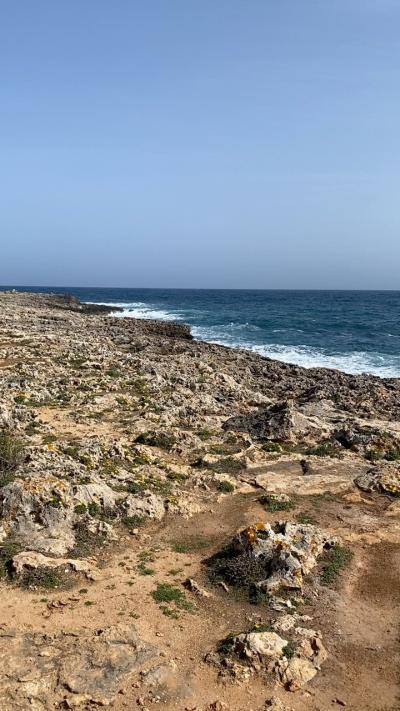
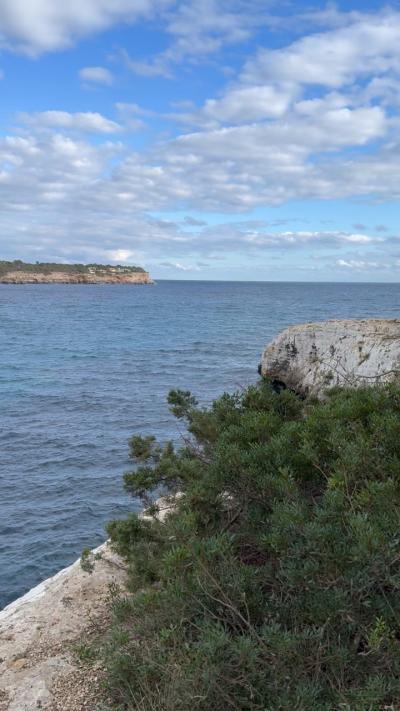
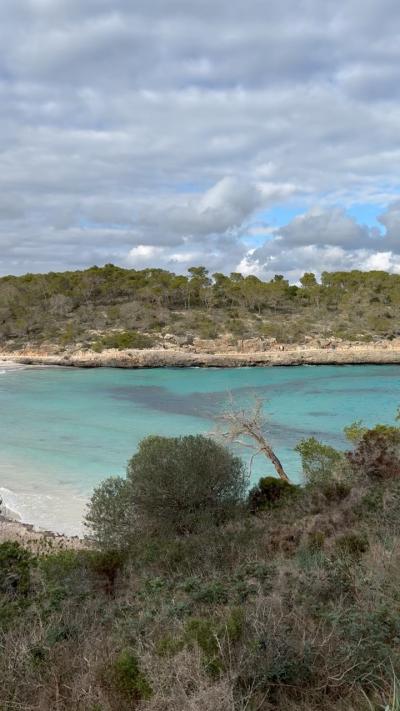
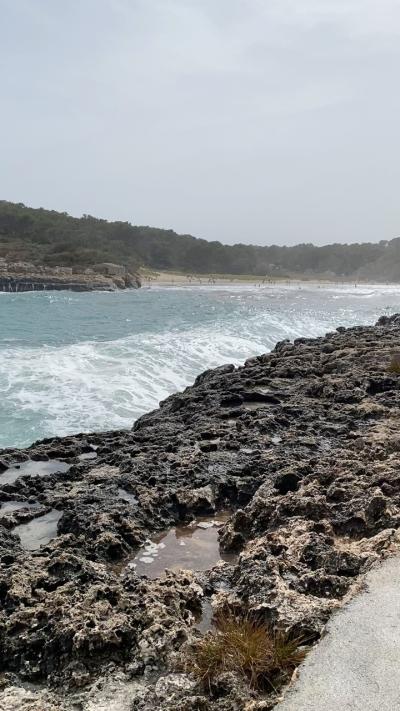
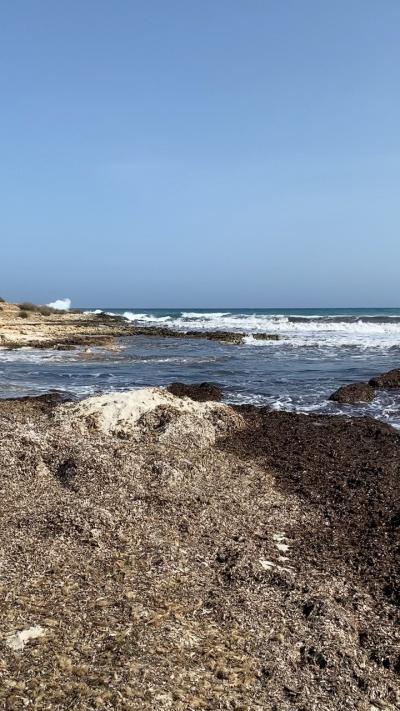
Along the northern shores near Alcudia and Pollença, efforts to safeguard the coastline balance the island’s natural charm with the realities of climate change. In this region, where the coastal landscapes are dotted with dunes and pine groves, local authorities and conservation groups work together to maintain and restore native vegetation, which naturally stabilizes sandy beaches and softens the impact of rising tides. Near Es Trenc's fragile salt flats, protective measures aim to preserve its unique wetland habitat, vital not only for local flora and fauna but also as a natural buffer against the sea.
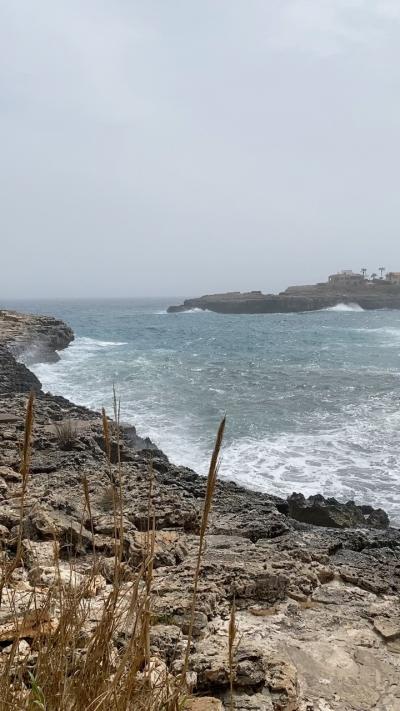
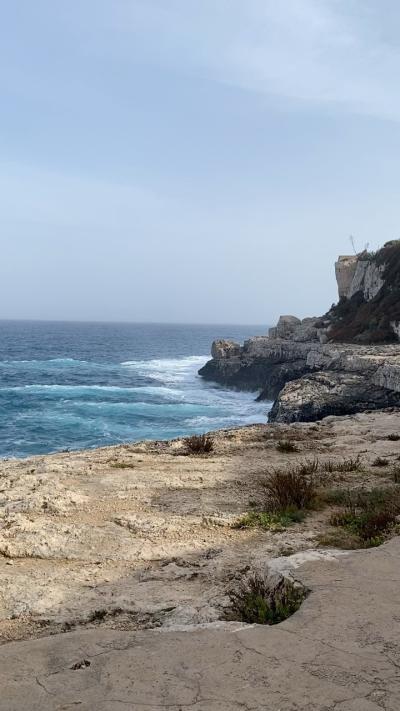
Infrastructure projects around busy coastal towns like Cala d’Or and Port de Sóller carefully consider environmental impact, avoiding overly intrusive seawalls that could disrupt natural processes. Instead, some stretches of coastline benefit from subtle engineered defences, blending with the landscape to reduce erosion while respecting the delicate marine ecosystems. Meanwhile, the TIB bus network promotes sustainable tourism by reducing vehicle traffic along vulnerable coastal roads like the Ma-13, lessening pollution and human pressure.
Community participation remains integral, with residents and visitors often involved in beach clean-ups and education campaigns that highlight the importance of protecting Mallorca’s shores. Local festivals, such as the Festa de l’Ametler in the Serra de Tramuntana, help nurture a cultural connection to the land and sea, encouraging stewardship that supports these conservation efforts. These combined initiatives reflect a mindful approach to preserving this Mediterranean coastline for future generations while maintaining its beauty and biodiversity.
Infrastructure projects around busy coastal towns like Cala d’Or and Port de Sóller carefully consider environmental impact, avoiding overly intrusive seawalls that could disrupt natural processes. Instead, some stretches of coastline benefit from subtle engineered defences, blending with the landscape to reduce erosion while respecting the delicate marine ecosystems. Meanwhile, the TIB bus network promotes sustainable tourism by reducing vehicle traffic along vulnerable coastal roads like the Ma-13, lessening pollution and human pressure.
Community participation remains integral, with residents and visitors often involved in beach clean-ups and education campaigns that highlight the importance of protecting Mallorca’s shores. Local festivals, such as the Festa de l’Ametler in the Serra de Tramuntana, help nurture a cultural connection to the land and sea, encouraging stewardship that supports these conservation efforts. These combined initiatives reflect a mindful approach to preserving this Mediterranean coastline for future generations while maintaining its beauty and biodiversity.
More Fotos