What were the main reasons for the establishment of the Valldemossa monastery?
- Valldemossa Monastery
- Carthusian monks
- Mallorca history
- Tramuntana mountains
- Frédéric Chopin
- Cultural heritage
- Spiritual retreat
- Meditation and prayer
- Picturesque destination
- Historic sites in Mallorca
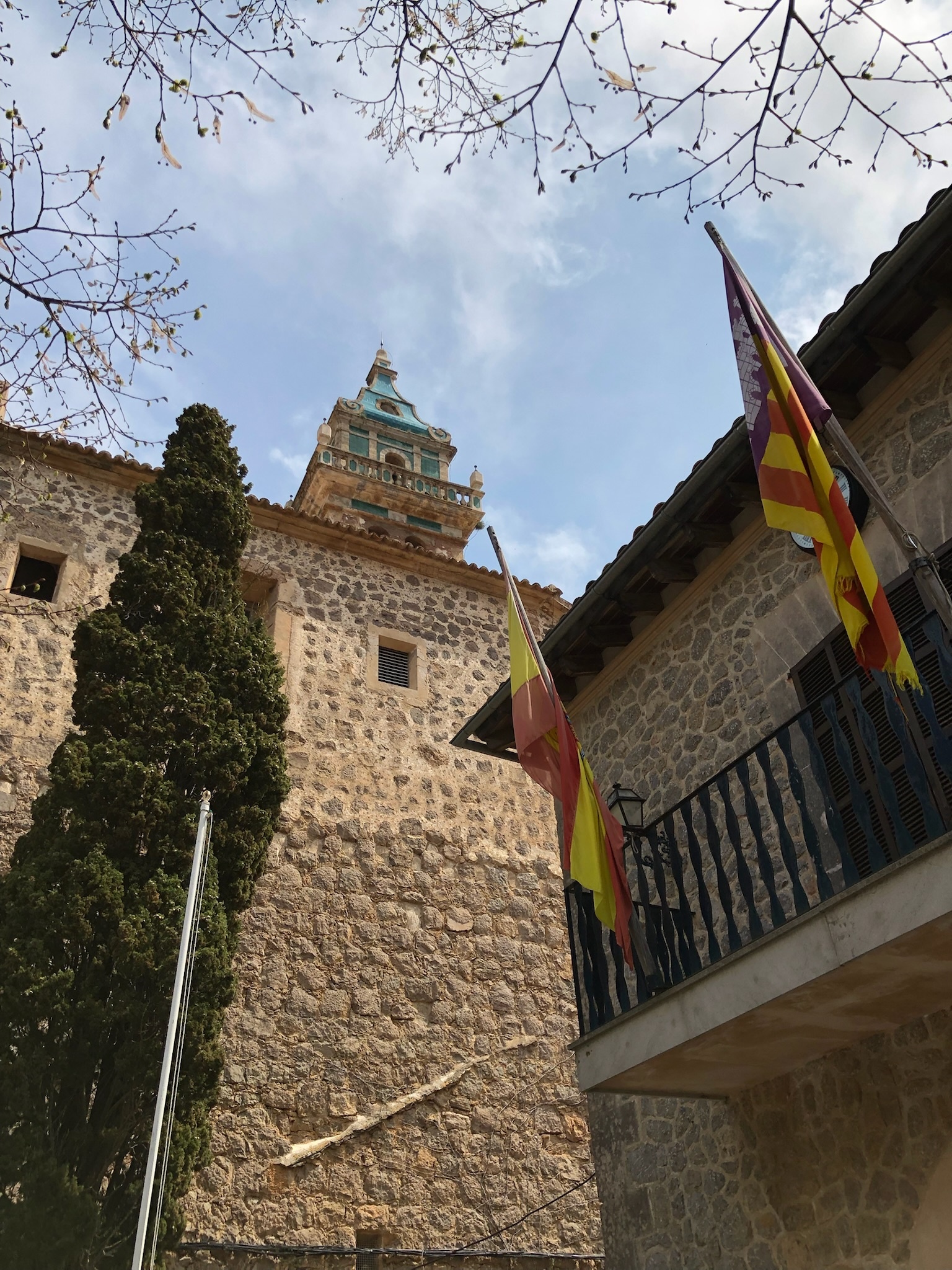
The Valldemossa Monastery, nestled in the stunning Tramuntana mountain range of Mallorca, was established primarily for the purpose of providing a peaceful retreat for the Carthusian monks who sought solitude and a deeper connection with their faith. Founded in 1399, the monastery was built on the site of a former royal palace, which allowed for a serene environment conducive to meditation and prayer. The monks dedicated themselves to a life of simplicity and asceticism, cultivating the surrounding land and engaging in the spiritual practices that defined their order.
Another significant reason for the establishment of Valldemossa Monastery was to serve as a refuge during turbulent times. The late 14th century was marked by political instability and conflict in Mallorca, and the monastery offered a sanctuary not just for the monks but also for those seeking shelter from the chaos of the outside world. Over the centuries, the monastery has evolved, becoming a symbol of both religious devotion and cultural heritage. It has attracted artists, writers, and musicians, most famously the composer Frédéric Chopin and the writer George Sand, who spent a winter there in 1838. Their time at Valldemossa has added to the site's allure, making it a fascinating destination for visitors interested in both its historical significance and its picturesque setting.
Today, the Valldemossa Monastery stands as a testament to the enduring legacy of the Carthusian order and serves as a reminder of Mallorca's rich cultural tapestry. Visitors can explore its beautiful cloisters, gardens, and the museum housing artifacts that reflect the monastery's storied past. The tranquil atmosphere continues to draw those seeking solace, as well as those eager to learn about the island's history and the role the monastery played in shaping it.