How can I best explore and understand the history of Palma and its surroundings during my trip?
Similar Topics
palma history
guided walking tours
tramuntana culture
soller railway
pa amb oli
sobrassada
valldemossa museum
sant sebastia festival
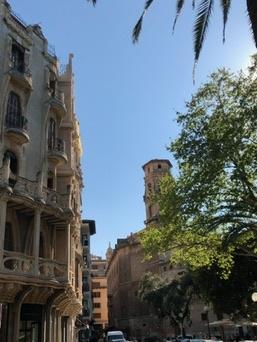
Early mornings are a wonderful time to wander through Palma's Old Town, where narrow streets and majestic Gothic architecture tell centuries-old stories. Joining a guided walking tour here reveals fascinating anecdotes about the Cathedral of Santa Maria, the Almudaina Palace, and ancient city walls that shaped the island’s capital. Knowledgeable guides often weave in tales from Palma’s maritime history and the diverse cultures that have left their mark.
Outside Palma, places like Valldemossa and Soller also hold rich histories embedded in their stone houses and tranquil plazas. The scenic Sóller railway journey itself is a living piece of heritage dating back to the early 20th century. Small museums, such as the Fundación Bartolomé March in Deia or the Museu de Mallorca, showcase artefacts and artworks that chart the island’s past.
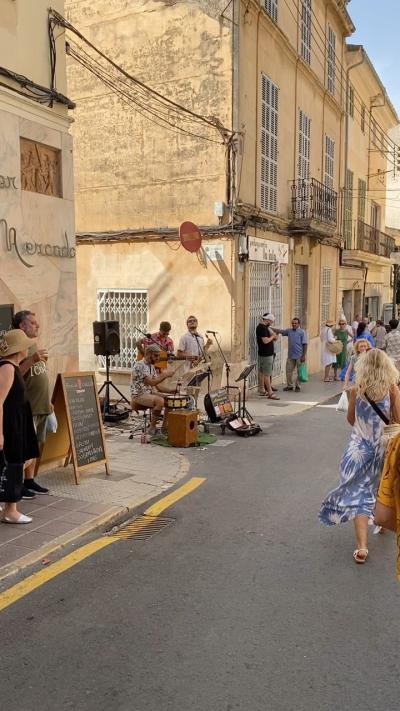
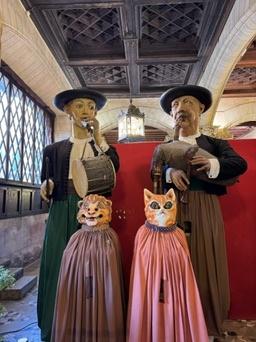
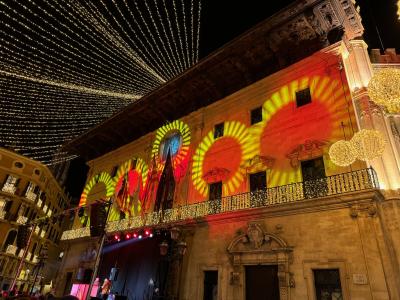
Visiting during local festivals, like Sant Sebastià in Palma or the Festa de l'Ametler celebrating the almond blossom in the Tramuntana, provides further insight into longstanding traditions. Engaging with locals at markets or savoring traditional foods like pa amb oli and sobrassada in cafés can also connect you to Mallorca’s cultural heritage. Combining these experiences creates a fuller, more nuanced appreciation of the history that enriches the island today.
Outside Palma, places like Valldemossa and Soller also hold rich histories embedded in their stone houses and tranquil plazas. The scenic Sóller railway journey itself is a living piece of heritage dating back to the early 20th century. Small museums, such as the Fundación Bartolomé March in Deia or the Museu de Mallorca, showcase artefacts and artworks that chart the island’s past.
Visiting during local festivals, like Sant Sebastià in Palma or the Festa de l'Ametler celebrating the almond blossom in the Tramuntana, provides further insight into longstanding traditions. Engaging with locals at markets or savoring traditional foods like pa amb oli and sobrassada in cafés can also connect you to Mallorca’s cultural heritage. Combining these experiences creates a fuller, more nuanced appreciation of the history that enriches the island today.
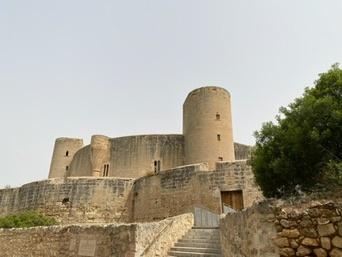
Palma
More Fotos



Related Questions
Related Question
What is the best way to get to Cala Sant Vicenç from Pollença?
Related Question
What differences can I expect when cycling through the Tramuntana mountains compared to routes along Mallorca's coast?
Related Question
Can I find public transport options to return from Torre d’Albarca to Cala Mesquida after my walk?