What’s the best way to get around for exploring Mallorca’s diverse coastline?
Similar Topics
mallorca coastline
rental car mallorca
tib bus network
soller railway
cycling mallorca
es trenc beach
tramuntana views
pa amb oli
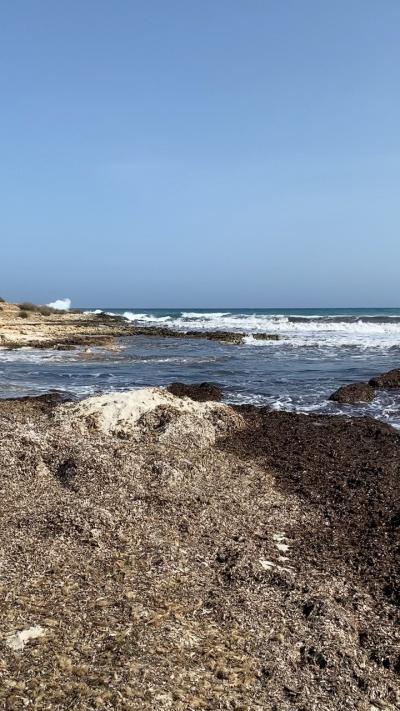
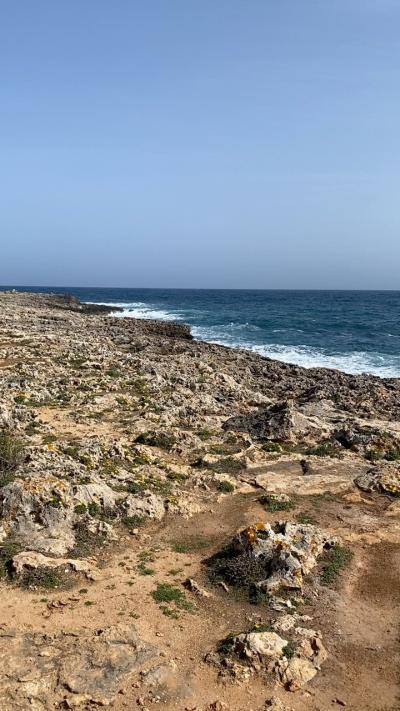
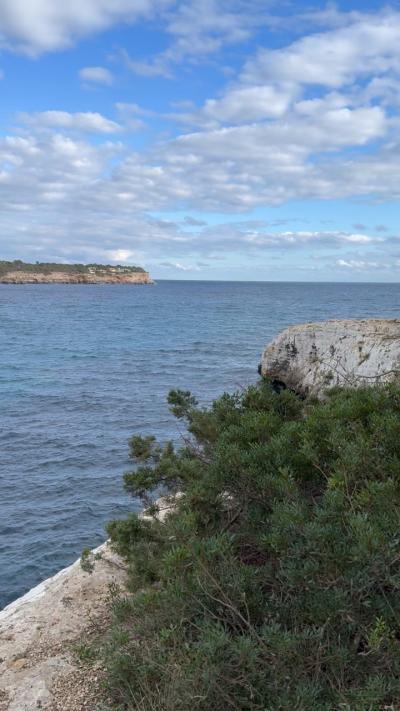
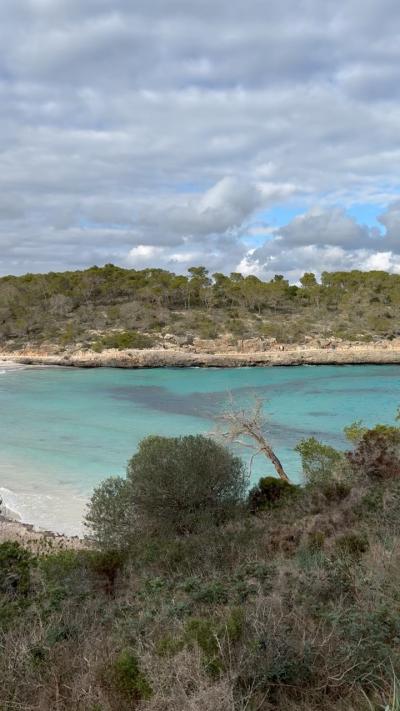
Navigating the island’s coastline is easiest with a rental car, giving you freedom to visit remote coves like Cala Mondrago or Es Trenc at your own pace. The Ma-10 road along the Serra de Tramuntana offers spectacular views, winding past quaint villages such as Deia and Valldemossa, and is best explored at your leisure. Parking can be tight in popular spots like Formentor or Alcudia, so starting early helps you avoid crowds and secures a spot near the beach.
Public transport on the TIB bus network connects many major towns and beaches, such as Palma, Soller, and Pollenca, making it a budget-friendly alternative if you prefer not to drive. The historic Soller railway adds charm, linking Palma to Soller through lush valleys. For shorter trips, taxis and ride-hailing services are available but tend to be pricier outside Palma.
For those wanting a more immersive experience, cycling along coastal stretches near Cala Llombards or through the Tramuntana foothills brings you closer to nature and traditional Mallorcan farms. Walking is another rewarding option, especially around harbor towns or the sandy beaches around Alcudia, where vibrant markets and local eateries serve specialties like pa amb oli and tumbet. Whichever way you travel, the island’s blend of history, sea views, and cuisine unfolds best when you take time to explore the coastline slowly.
Public transport on the TIB bus network connects many major towns and beaches, such as Palma, Soller, and Pollenca, making it a budget-friendly alternative if you prefer not to drive. The historic Soller railway adds charm, linking Palma to Soller through lush valleys. For shorter trips, taxis and ride-hailing services are available but tend to be pricier outside Palma.
For those wanting a more immersive experience, cycling along coastal stretches near Cala Llombards or through the Tramuntana foothills brings you closer to nature and traditional Mallorcan farms. Walking is another rewarding option, especially around harbor towns or the sandy beaches around Alcudia, where vibrant markets and local eateries serve specialties like pa amb oli and tumbet. Whichever way you travel, the island’s blend of history, sea views, and cuisine unfolds best when you take time to explore the coastline slowly.
More Fotos

Related Questions
Related Question
Where can I find interactive exhibits about local wildlife and marine species on the island?
Related Question
Where can I find authentic local restaurants and hidden food spots favored by Mallorca residents?
Related Question
Are there any local restaurants or cafes near D’en Repic beach that you recommend?