What traditional dining customs should I know about when eating out in Palma and around?
Similar Topics
traditional dining
pa amb oli
sobrassada
binissalem wine
hierbas
ensaimada
mallorca food culture
local dining etiquette
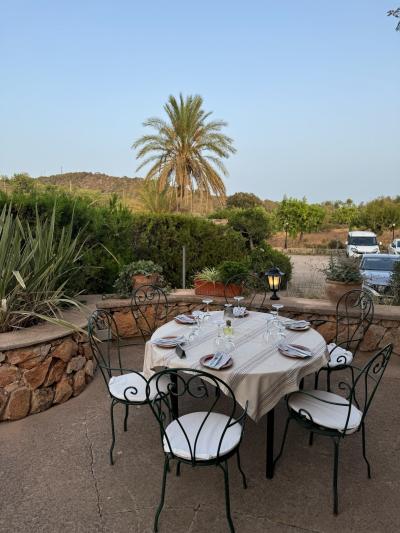
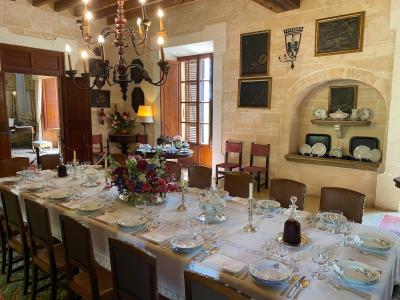
If you’re settling down for a meal in Palma or any village like Deia or Pollenca, embracing local dining customs can make your experience richer. Meals here tend to be unhurried, meant to be savored with family or friends, often stretching over several courses. It’s common to wait until everyone at the table has been served before starting, showing respect and togetherness. Sharing dishes, such as pa amb oli with sobrassada or a plate of tumbet, highlights the communal spirit that defines dining on the island.
When toasting, it’s traditional to say "Salut!" accompanied by a glass of local Binissalem wine or a shot of Hierbas, a fragrant herb liqueur. Eating slowly and engaging in conversation are part of the culture, especially in the evening, which is the main mealtime. In many local eateries, it’s perfectly normal to see diners linger over their ensaimada or café after dinner.
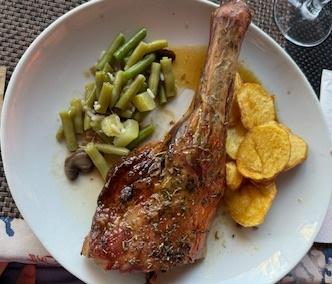
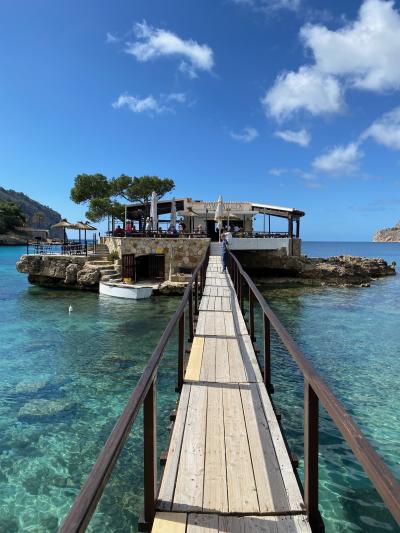
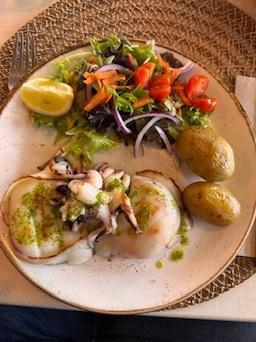
You’ll also notice a warmth and informality in how locals eat, yet there’s an unspoken etiquette to using utensils and following certain conventions, like not resting your elbows on the table during the meal. Taking time to appreciate each course, whether it’s fresh seafood caught off Cala Mondrago or a hearty sobrassada tapa in a bar near the Ma-10, connects you to the traditions that have shaped Mallorca’s food culture for generations.
When toasting, it’s traditional to say "Salut!" accompanied by a glass of local Binissalem wine or a shot of Hierbas, a fragrant herb liqueur. Eating slowly and engaging in conversation are part of the culture, especially in the evening, which is the main mealtime. In many local eateries, it’s perfectly normal to see diners linger over their ensaimada or café after dinner.
You’ll also notice a warmth and informality in how locals eat, yet there’s an unspoken etiquette to using utensils and following certain conventions, like not resting your elbows on the table during the meal. Taking time to appreciate each course, whether it’s fresh seafood caught off Cala Mondrago or a hearty sobrassada tapa in a bar near the Ma-10, connects you to the traditions that have shaped Mallorca’s food culture for generations.
Cales de Mallorca
More Fotos
Related Questions
Related Question
Are there any biking or surfing events happening during my stay in Mallorca?
Related Question
Are there any local festivals that celebrate traditional Mallorcan culture?
Related Question
What weather should I keep in mind when visiting the Cuevas del Drach or other caves on the island?