How do seasonal ingredients shape traditional dishes on the island?
Similar Topics
seasonal ingredients
mallorca cuisine
pa amb oli
serra de tramuntana
sobrassada
binissalem wine
festa de l'ametler
tib bus
Dishes change markedly between the seasonally lush spring valleys around Soller and the sun-steeped southern lowlands near Campos. In spring, fresh wild asparagus and tender fava beans gathered from the Serra de Tramuntana find their way into simple preparations like tumbet or tender sautéed verduras, capturing the fresh, aromatic essence of the season. Locals delight in crisp salads flavored with herbs like rosemary and thyme from nearby mountainsides, making light meals that complement the awakening landscape.
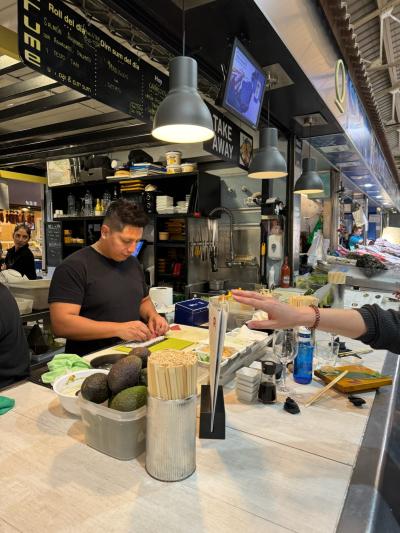
When summer arrives, local markets brim with ripe tomatoes, figs, and eggplant, especially around Palma and Alcudia. This produces an abundance of pa amb oli topped with sobrassada or local cheeses, and vibrant gazpacho variations perfect to cool off after a morning at Cala Mondrago or Formentor. Fishermen bring fresh catches for caldereta, a rich seafood stew celebrated in coastal towns like Pollenca, reflecting the season’s abundant flavors.
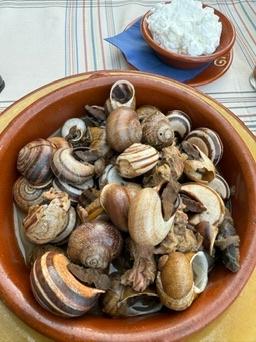
Autumn’s cooler air and fading light turn attention toward chestnuts, wild mushrooms, and sweet figs from Valldemossa and Deia, inspiring heartier stews and oven-baked dishes that echo centuries-old recipes. Wine from Binissalem pairs beautifully as families gather for village festivities like Festa de l'Ametler, celebrating the almond blossom. Winter calls for comforting meals that utilize preserved sobrassada and the island’s own Hierbas or Palo liqueurs, offering warmth through the shorter days.
These shifting ingredients don’t just define what’s on the table but connect residents and visitors alike to the island’s rhythm. The local cuisine reveals how Mallorca’s landscape and cultural traditions intertwine, providing a memorable taste of place that changes with every season and every market visit along the Ma-13 or a scenic TIB bus ride.
When summer arrives, local markets brim with ripe tomatoes, figs, and eggplant, especially around Palma and Alcudia. This produces an abundance of pa amb oli topped with sobrassada or local cheeses, and vibrant gazpacho variations perfect to cool off after a morning at Cala Mondrago or Formentor. Fishermen bring fresh catches for caldereta, a rich seafood stew celebrated in coastal towns like Pollenca, reflecting the season’s abundant flavors.
Autumn’s cooler air and fading light turn attention toward chestnuts, wild mushrooms, and sweet figs from Valldemossa and Deia, inspiring heartier stews and oven-baked dishes that echo centuries-old recipes. Wine from Binissalem pairs beautifully as families gather for village festivities like Festa de l'Ametler, celebrating the almond blossom. Winter calls for comforting meals that utilize preserved sobrassada and the island’s own Hierbas or Palo liqueurs, offering warmth through the shorter days.
These shifting ingredients don’t just define what’s on the table but connect residents and visitors alike to the island’s rhythm. The local cuisine reveals how Mallorca’s landscape and cultural traditions intertwine, providing a memorable taste of place that changes with every season and every market visit along the Ma-13 or a scenic TIB bus ride.

Deià
More Fotos