What traditional dishes should I try when dining in Mallorca?
Similar Topics
pa amb oli
sobrassada
ensaimada
tumbet
binissalem wine
hierbas liqueur
formentor seafood
serra de tramuntana
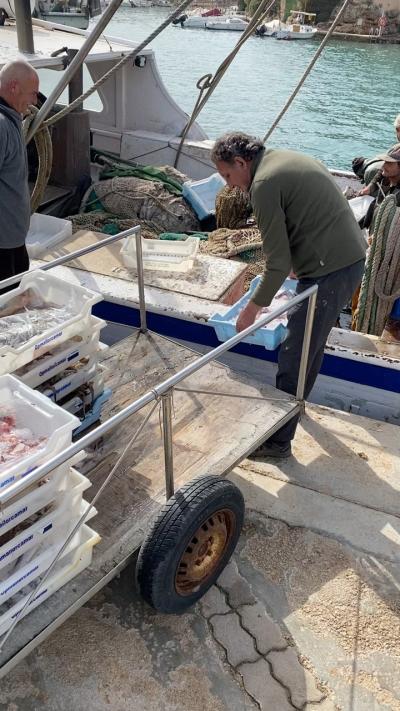
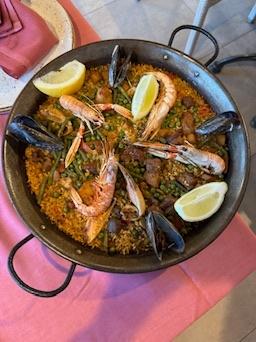
Many visitors arrive expecting the island’s cuisine to be all about typical Spanish dishes like paella, but local food in towns like Palma, Soller, or Pollenca offers a unique blend of flavors rooted in Mallorcan tradition. A must-try is pa amb oli, simple yet delicious, featuring rustic bread rubbed with ripe tomatoes and drizzled with local olive oil, often served alongside sobrassada, a cured sausage with a rich, slightly spicy taste. In coastal villages such as Cala Mondragó or Formentor, freshly caught fish and seafood prepared with Mediterranean herbs frequently star on menus, bringing the island’s sea-to-table ethos to life.
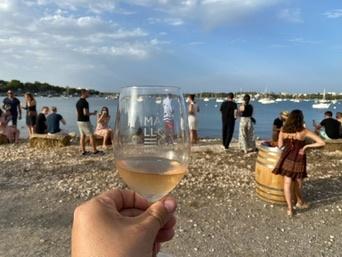
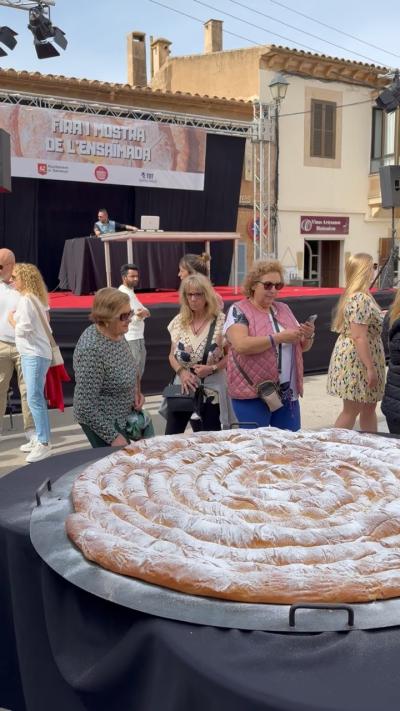
When venturing inland or enjoying a meal in Valldemossa or Deia, dishes like tumbet reflect Mallorca’s agricultural heritage—a hearty vegetable casserole layered with potatoes, aubergines, and red peppers, cooked in olive oil. Local pastries such as ensaimada are perfect for breakfast or a mid-afternoon treat, their light, spiraled texture often enjoyed with a cup of local coffee. Pair your meal with a glass of Binissalem wine, produced in the nearby vineyards, or a digestif like Hierbas, a herbal liqueur made from wild herbs of the Serra de Tramuntana.
Restaurants in towns along the Ma-13 or near the beaches of Es Trenc and Cala Llombards often balance tradition with innovation, and asking the chef about daily specials can lead you to creative takes on classic recipes. Whether savoring a picnic on a tranquil beach cove or dining in a bustling Palma bistro during the Sant Sebastià festivities, indulging in these traditional dishes offers a sincere taste of the island’s rich culinary heritage.
When venturing inland or enjoying a meal in Valldemossa or Deia, dishes like tumbet reflect Mallorca’s agricultural heritage—a hearty vegetable casserole layered with potatoes, aubergines, and red peppers, cooked in olive oil. Local pastries such as ensaimada are perfect for breakfast or a mid-afternoon treat, their light, spiraled texture often enjoyed with a cup of local coffee. Pair your meal with a glass of Binissalem wine, produced in the nearby vineyards, or a digestif like Hierbas, a herbal liqueur made from wild herbs of the Serra de Tramuntana.
Restaurants in towns along the Ma-13 or near the beaches of Es Trenc and Cala Llombards often balance tradition with innovation, and asking the chef about daily specials can lead you to creative takes on classic recipes. Whether savoring a picnic on a tranquil beach cove or dining in a bustling Palma bistro during the Sant Sebastià festivities, indulging in these traditional dishes offers a sincere taste of the island’s rich culinary heritage.
More Fotos