Are there any historical sites in Palma that have interesting stories behind them?
Similar Topics
Palma historical sites
La Seu Cathedral
Almudaina Palace
Mallorca cultural heritage
Gothic architecture Palma
Santa Catalina district
Mallorca royal history
Palma maritime past
Mallorca travel
historical landmarks Mallorca
Palma, the vibrant capital of Mallorca, is rich in history, and several sites weave fascinating tales that reflect the island's diverse cultural heritage. One of the most prominent landmarks is the stunning La Seu Cathedral, which dominates the skyline with its Gothic architecture. Construction began in the 13th century, and it took nearly 400 years to complete. Legend has it that the cathedral was built in gratitude for a miraculous event during a storm when James I of Aragon, the king who conquered Mallorca, saw the light of a sacred image guiding his fleet to safety. The cathedral's intricate details, including the magnificent rose window and the breathtaking interior, tell stories of devotion and artistry that have captivated visitors for centuries.
Another remarkable site is the Almudaina Palace, originally a Moorish fortress before becoming the royal residence. The palace's transformation reflects the island's shifting power dynamics, from the Islamic period through the Christian reconquest. Walking through its grand halls, you can almost hear whispers of the past, from the kings and queens who once held court there to the architectural changes made over the centuries. The palace not only serves as a reminder of Mallorca's royal history but also offers stunning views of the sea and the surrounding city, making it a perfect spot for both history buffs and casual visitors alike.
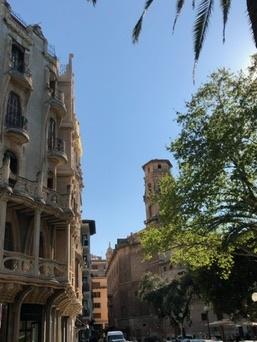
Additionally, the historic district of Santa Catalina is filled with narrow streets and charming buildings that tell the story of Palma's maritime past. This area was once home to fishermen and shipbuilders, and it retains a sense of authenticity that invites exploration. As you wander through its lively markets and quaint cafes, you can imagine the bustling life of the neighborhood in centuries gone by. Each corner reveals remnants of the past, from the traditional architecture to the vibrant local culture, making Santa Catalina a delightful blend of history and modernity that encapsulates the spirit of Palma.
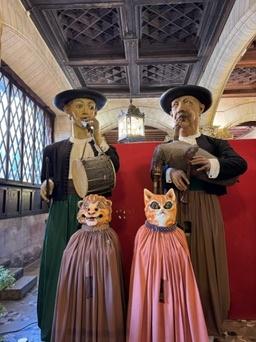
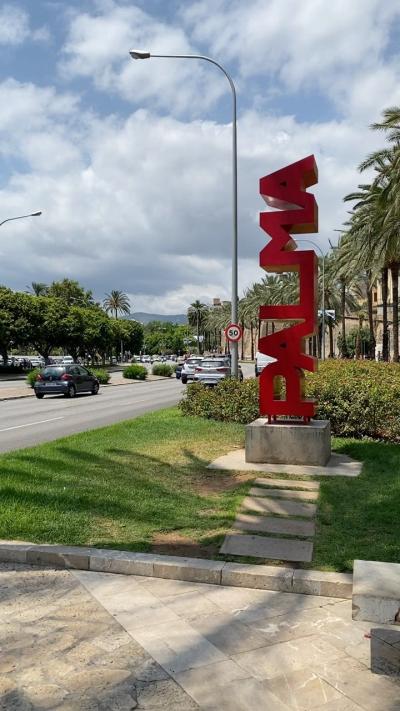
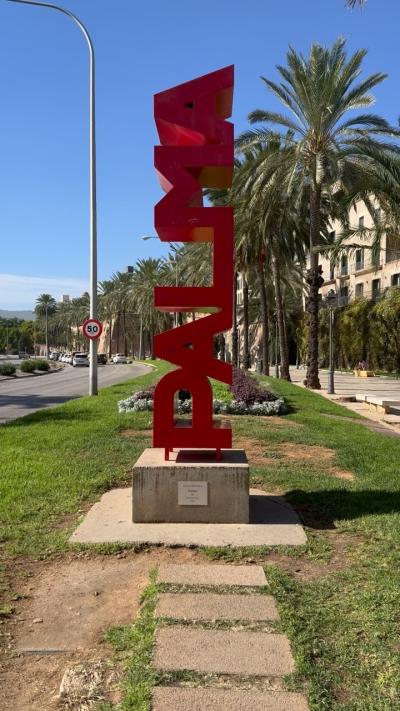
Palma
More Fotos

Related Questions
Related Question
How did traditional farming methods support rural communities on Mallorca during times of hardship?
Related Question
How much time should I set aside to explore the Es Baluard museum in Palma?
Related Question
Are there scenic hiking routes around Mallorca that lead to memorable viewpoints?