Where are the best spots on the island to watch wildlife in their natural environment?
Similar Topics
wildlife viewing
serra de tramuntana
alcudia wetlands
cala mondrago
es trenc beach
pollenca wildlife
soller railway
tib bus network
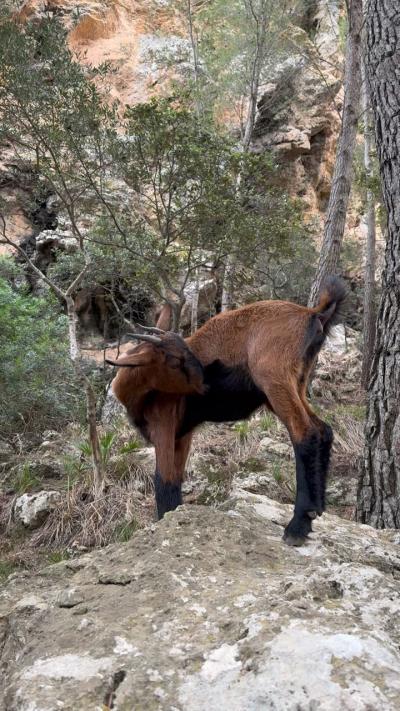
Deciding where to go wildlife watching here often means choosing between the rugged coastline and the mountainous interior. For those who prefer the tranquility of the Serra de Tramuntana, areas around the dry stone terraces above Valldemossa or near Deia provide good chances to spot native birds like Bonelli's eagle and peregrine falcons soaring overhead. The early morning or late afternoon light along these fabled mountain paths offers dramatic scenes where wild goats and endemic reptiles sometimes make appearances.
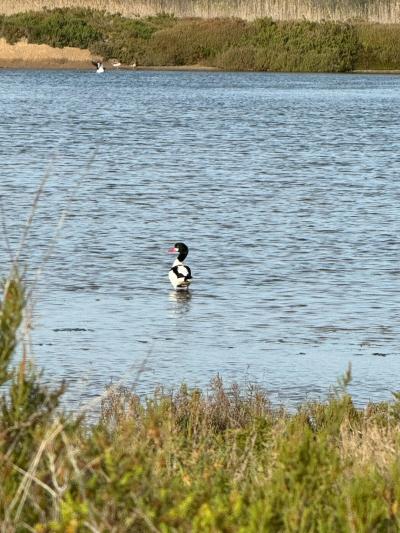
Along the coast, the salt flats and wetlands near Alcudia and the beaches of Es Trenc host a variety of shorebirds, including flamingos and herons, especially in the quieter off-season months. The coves around Cala Mondrago also shelter a wealth of marine life visible from cliffs and shallow waters, perfect for patient observers with binoculars. Meanwhile, the pine forests and scrublands around Pollenca form a vital habitat for Mallorca's unique butterflies and small mammals.
Public transport like the TIB bus routes and the nostalgic Soller railway make reaching these spots achievable without a car, though renting a bike or driving along the Ma-10 through the Tramuntana can unlock more remote viewing locations. Bringing a pair of binoculars and respecting marked trails preserves both your experience and the natural environment, ensuring that the wildlife remains undisturbed in their corner of the island's stunning landscape.
Along the coast, the salt flats and wetlands near Alcudia and the beaches of Es Trenc host a variety of shorebirds, including flamingos and herons, especially in the quieter off-season months. The coves around Cala Mondrago also shelter a wealth of marine life visible from cliffs and shallow waters, perfect for patient observers with binoculars. Meanwhile, the pine forests and scrublands around Pollenca form a vital habitat for Mallorca's unique butterflies and small mammals.
Public transport like the TIB bus routes and the nostalgic Soller railway make reaching these spots achievable without a car, though renting a bike or driving along the Ma-10 through the Tramuntana can unlock more remote viewing locations. Bringing a pair of binoculars and respecting marked trails preserves both your experience and the natural environment, ensuring that the wildlife remains undisturbed in their corner of the island's stunning landscape.
ses Covetes
More Fotos