How do residents of Mallorca feel about the use of both Catalan and Spanish in everyday life and public signage?
Similar Topics
catalan language
spanish language
mallorca bilingualism
local attitudes
public signage
cultural identity
pare amb oli
serra de tramuntana
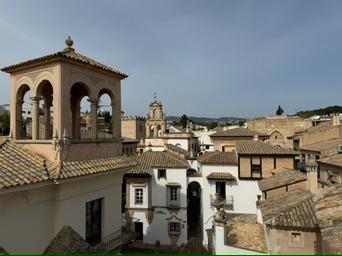
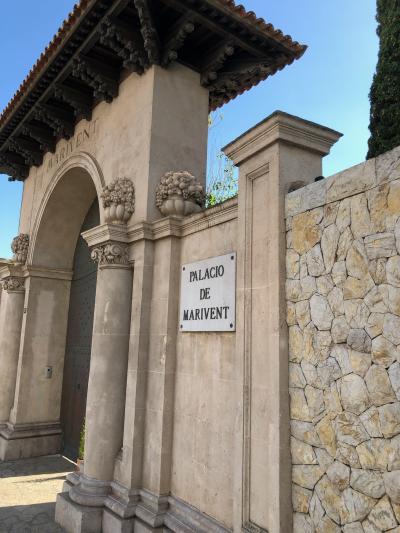
Living or travelling around Palma, Sóller, or the smaller inland towns like Valldemossa, you'll quickly notice the coexistence of Catalan and Spanish in daily conversation, official signs, and media. For many locals, Catalan is more than just a language; it is a vital thread in the island’s cultural fabric and identity. You'll find that shop signs, street names, and public announcements often appear in both languages, reflecting a tangible respect for this heritage.
There is a strong sense of pride tied to the Catalan language, especially in areas where traditions are keenly preserved, such as during festivals like Sant Sebastià in Palma or the Festa de l'Ametler in the Tramuntana hills. Most residents appreciate bilingualism as a way of welcoming visitors while nurturing their own roots. However, opinions can vary, particularly among older generations who may emphasize protecting Catalan from being overshadowed by Spanish, which dominates national media and education to some extent.
Ultimately, the island embraces a balanced bilingualism that honours its unique identity. Whether you're strollling through the port of Port de Pollença or exploring the Ma-13 road winding through the Serra de Tramuntana, you’ll witness just how seamlessly the two languages intermingle, making the cultural landscape here all the richer and more nuanced. It's this linguistic harmony, alongside local specialties like sobrassada or Hierbas, that offers an authentic glimpse into daily life on the island.
There is a strong sense of pride tied to the Catalan language, especially in areas where traditions are keenly preserved, such as during festivals like Sant Sebastià in Palma or the Festa de l'Ametler in the Tramuntana hills. Most residents appreciate bilingualism as a way of welcoming visitors while nurturing their own roots. However, opinions can vary, particularly among older generations who may emphasize protecting Catalan from being overshadowed by Spanish, which dominates national media and education to some extent.
Ultimately, the island embraces a balanced bilingualism that honours its unique identity. Whether you're strollling through the port of Port de Pollença or exploring the Ma-13 road winding through the Serra de Tramuntana, you’ll witness just how seamlessly the two languages intermingle, making the cultural landscape here all the richer and more nuanced. It's this linguistic harmony, alongside local specialties like sobrassada or Hierbas, that offers an authentic glimpse into daily life on the island.
ses Illetes
More Fotos