Is it safe to swim at Mallorca's beaches during jellyfish season?
Similar Topics
mallorca swimming
jellyfish season
es trenc beach
tramuntana swimming
formentor cove
safe swim tips
mallorca beaches
local swim advice
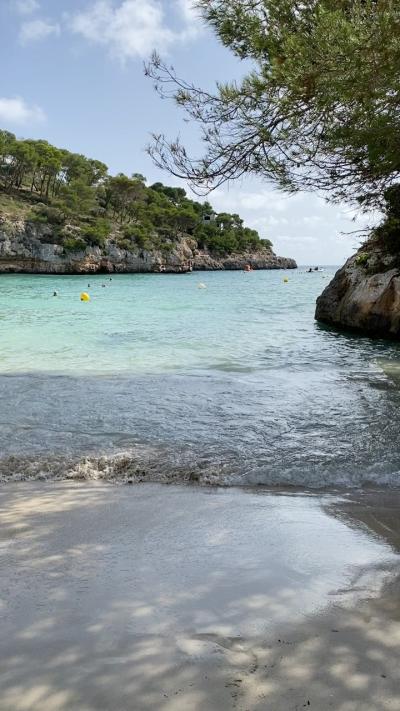
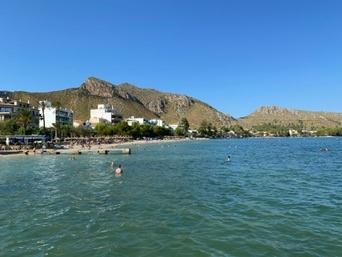
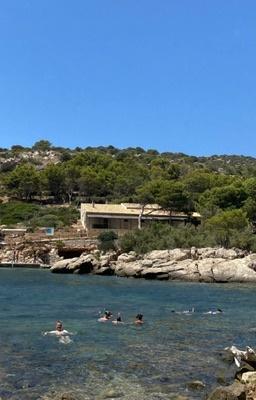
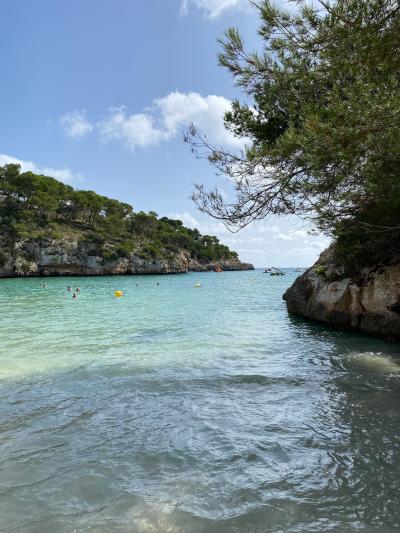
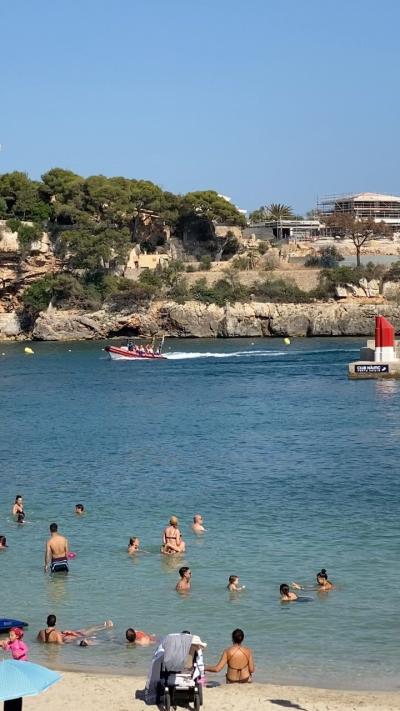
Swimming along Mallorca’s coast requires a bit of local know-how, especially when jellyfish appear, typically from late summer into early autumn. The experience can vary depending on where you’re swimming—beaches like Es Trenc or Cala Mondrago on the south tend to be monitored more closely by lifeguards, who often post warnings if jellyfish are spotted. On the quieter coves near Formentor or Cala Llombards, you might not see signs, so it’s wise to check with local beach staff or the TIB bus drivers for up-to-date information.
If you’re planning to take a dip despite the season, protective swimwear can help reduce the risk of stings, especially if you head out early in the morning or later in the evening, when jellyfish activity tends to ease. Tramuntana bays around Sóller or Deia are less frequented and usually clearer of jellyfish, but vigilance remains important. Staying near lifeguard-patrolled beaches is always safest, and if you do get stung, local remedies recommended by pharmacists in towns like Palma or Manacor can quickly ease the pain.
Ultimately, navigating jellyfish season involves balancing your itinerary between the busier but safer monitored spots and the island’s hidden gems. Watching the water closely and asking locals for advice will keep your swim both enjoyable and safe, letting you savor the crystal-clear waters without unwelcome encounters.
If you’re planning to take a dip despite the season, protective swimwear can help reduce the risk of stings, especially if you head out early in the morning or later in the evening, when jellyfish activity tends to ease. Tramuntana bays around Sóller or Deia are less frequented and usually clearer of jellyfish, but vigilance remains important. Staying near lifeguard-patrolled beaches is always safest, and if you do get stung, local remedies recommended by pharmacists in towns like Palma or Manacor can quickly ease the pain.
Ultimately, navigating jellyfish season involves balancing your itinerary between the busier but safer monitored spots and the island’s hidden gems. Watching the water closely and asking locals for advice will keep your swim both enjoyable and safe, letting you savor the crystal-clear waters without unwelcome encounters.
More Fotos