What conservation measures protect wildlife and natural habitats on the island?
Similar Topics
wildlife conservation
protected areas
serra de tramuntana
balearic shearwater
eco-tourism mallorca
natural parks mondrago
tib bus network
environmental education
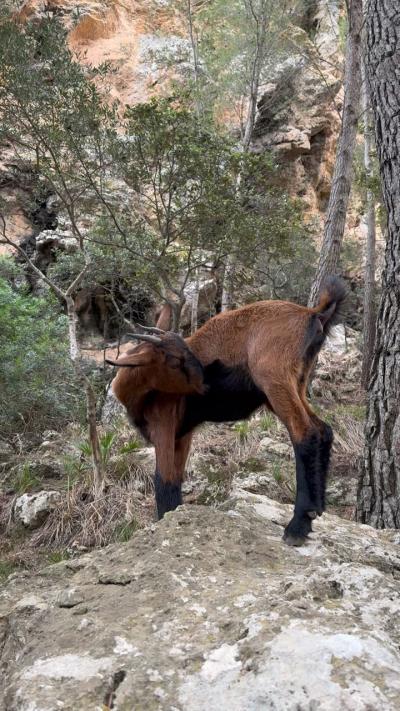
Ensuring the preservation of the island’s unique flora and fauna relies heavily on a network of protected areas and active conservation projects. The Parc Natural de Mondragó on the southeast coast safeguards important habitats for native birds and marine life, while the Serra de Tramuntana—designated a UNESCO World Heritage site—not only protects stunning landscapes but also critical ecosystems. Local authorities and environmental groups collaborate closely with communities in places like Pollenca and Valldemossa to promote sustainable land use that minimizes human impact on wildlife.
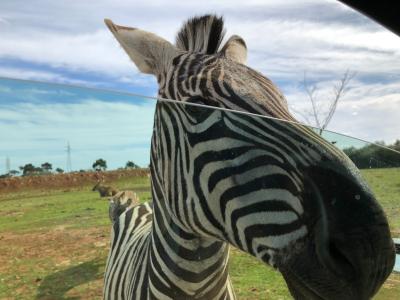
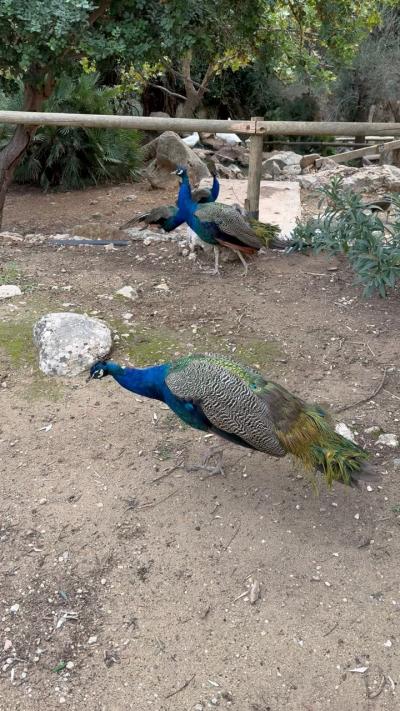
Several initiatives focus on endangered species and habitat restoration, including efforts to preserve the endangered Balearic shearwater, a seabird native to these waters. Wildlife rescue centers on the island rehabilitate injured animals and run breeding programs to support vulnerable species. The TIB bus network’s eco-friendly routes facilitate visitor access to natural parks, helping reduce traffic pollution around fragile areas such as Cala Mondrago. Educational programs during events like the Festa de l'Ametler engage residents and visitors alike, fostering a deeper connection with the island’s natural heritage.
Eco-tourism continues to grow as an important pillar of conservation. Guided walks through Deia and the Tramuntana, responsible snorkeling excursions near Formentor, and cycling tours along the Ma-10 road encourage travelers to appreciate and respect the environment. By supporting local conservation efforts and opting for sustainable activities, visitors contribute to protecting the landscapes where ancient olive trees meet crystal-clear coves, ensuring these treasures endure for generations.
Several initiatives focus on endangered species and habitat restoration, including efforts to preserve the endangered Balearic shearwater, a seabird native to these waters. Wildlife rescue centers on the island rehabilitate injured animals and run breeding programs to support vulnerable species. The TIB bus network’s eco-friendly routes facilitate visitor access to natural parks, helping reduce traffic pollution around fragile areas such as Cala Mondrago. Educational programs during events like the Festa de l'Ametler engage residents and visitors alike, fostering a deeper connection with the island’s natural heritage.
Eco-tourism continues to grow as an important pillar of conservation. Guided walks through Deia and the Tramuntana, responsible snorkeling excursions near Formentor, and cycling tours along the Ma-10 road encourage travelers to appreciate and respect the environment. By supporting local conservation efforts and opting for sustainable activities, visitors contribute to protecting the landscapes where ancient olive trees meet crystal-clear coves, ensuring these treasures endure for generations.
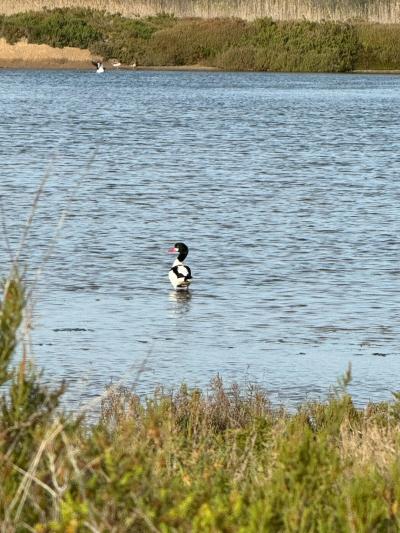
ses Covetes
More Fotos