How has Mallorca changed since Anaïs Nin's time?
Similar Topics
Mallorca travel
Anaïs Nin
tourism in Mallorca
Serra de Tramuntana
Mallorca culture
traditional villages Mallorca
Mallorca beaches
luxury resorts Mallorca
Mallorca history
cultural heritage Mallorca
Mallorca has transformed significantly since Anaïs Nin’s time in the early to mid-20th century. During her visits, the island was still relatively undiscovered by mass tourism, characterized by its serene landscapes, traditional villages, and a slower pace of life. Nin found inspiration in the island's natural beauty and its artistic atmosphere, which was home to a small but vibrant community of writers and painters. Back then, the island offered a more intimate connection to its culture, with local traditions and crafts thriving in the absence of large-scale commercialization.
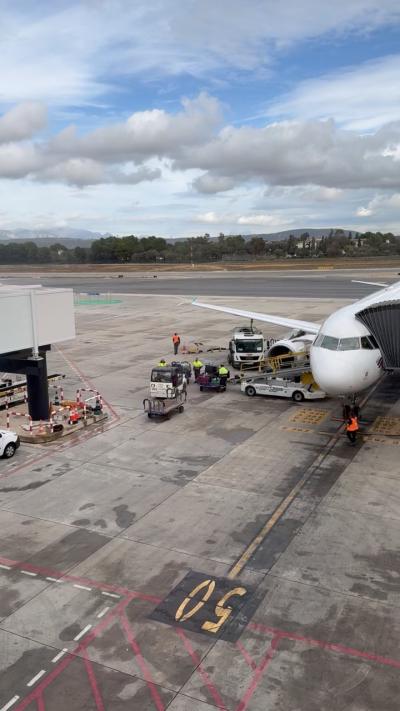
Today, Mallorca is a bustling tourist destination, attracting millions of visitors each year. The infrastructure has evolved immensely, with an extensive range of accommodations, from luxury resorts to charming boutique hotels, catering to diverse tastes and budgets. While this development has brought economic benefits, it has also led to challenges such as overcrowding in popular areas during the peak season. However, the island has made efforts to preserve its cultural heritage, and you can still find pockets of authenticity in the quieter towns and rural areas, where locals maintain their age-old traditions and culinary practices.
The natural landscape has also seen changes, with some coastal areas becoming more developed, but there are still breathtaking spots that remain untouched. The breathtaking Serra de Tramuntana mountain range, a UNESCO World Heritage site, continues to captivate visitors with its rugged beauty and hiking opportunities. Overall, while Mallorca has embraced modernization and tourism, it still retains elements of the charm that drew artists like Anaïs Nin, offering a blend of history, culture, and stunning scenery that continue to inspire creativity and relaxation alike.
Today, Mallorca is a bustling tourist destination, attracting millions of visitors each year. The infrastructure has evolved immensely, with an extensive range of accommodations, from luxury resorts to charming boutique hotels, catering to diverse tastes and budgets. While this development has brought economic benefits, it has also led to challenges such as overcrowding in popular areas during the peak season. However, the island has made efforts to preserve its cultural heritage, and you can still find pockets of authenticity in the quieter towns and rural areas, where locals maintain their age-old traditions and culinary practices.
The natural landscape has also seen changes, with some coastal areas becoming more developed, but there are still breathtaking spots that remain untouched. The breathtaking Serra de Tramuntana mountain range, a UNESCO World Heritage site, continues to captivate visitors with its rugged beauty and hiking opportunities. Overall, while Mallorca has embraced modernization and tourism, it still retains elements of the charm that drew artists like Anaïs Nin, offering a blend of history, culture, and stunning scenery that continue to inspire creativity and relaxation alike.

More Fotos