What kind of traditional cuisine or dining style should I expect in Mallorca?
Similar Topics
mallorca food
pa amb oli
sobrassada
ensaimada
binissalem wine
hierbas liqueur
festa de l'ametler
serra de tramuntana
The island’s cuisine is deeply rooted in Mediterranean traditions, blending fresh local produce with hearty, rustic flavors. Many dishes delight in simple ingredients elevated by technique and time-honored recipes. In towns like Palma and Soller, it’s common to find classic plates such as pa amb oli — thick slices of rustic bread served with local olive oil, tomatoes, and cured sobrassada sausage, which is a Moorish-influenced Mallorcan specialty. The savoury tumbet, a vegetable medley reminiscent of ratatouille, perfectly showcases the island’s summer harvest.
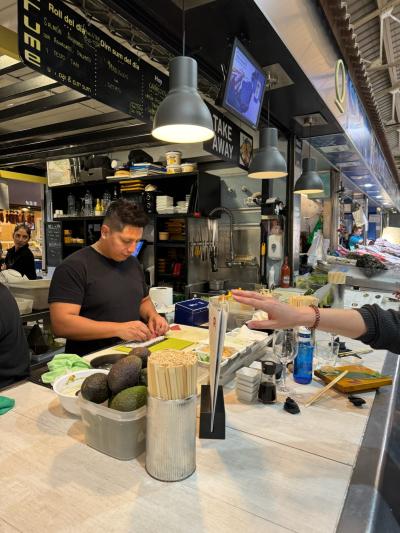
Eating here is often a social affair, with tapas bars and family-run restaurants encouraging shared plates and leisurely meals. Whether you’re enjoying fresh seafood by the marina in Port de Pollenca or sampling ensaimadas, the light spiral pastries for which the island is famous, you’ll feel the warm hospitality woven into every bite. Local wines from Binissalem and aromatic herbal liqueurs like Hierbas or Palo often accompany meals, enhancing the experience.
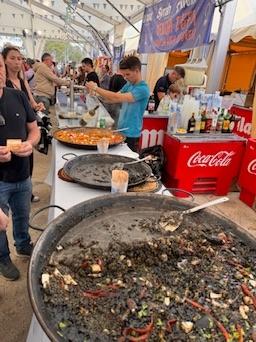
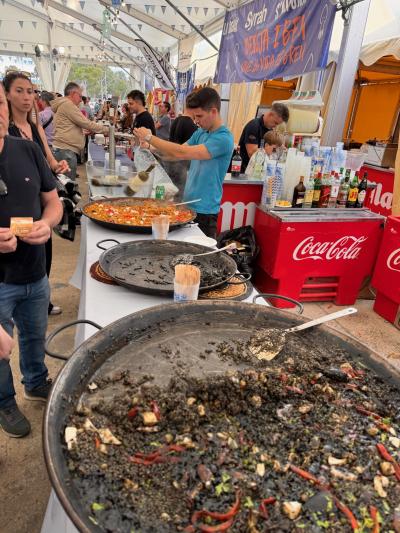
Farmers' markets and festivals such as Festa de l'Ametler in Valldemossa highlight seasonal ingredients and culinary traditions, connecting kitchen and countryside. The Serra de Tramuntana’s olive groves and almonds also influence the regional flavors, offering a taste of Mallorca’s unique terroir. This blend of local products and convivial dining styles makes eating on the island as memorable as its sun-drenched landscapes.
Eating here is often a social affair, with tapas bars and family-run restaurants encouraging shared plates and leisurely meals. Whether you’re enjoying fresh seafood by the marina in Port de Pollenca or sampling ensaimadas, the light spiral pastries for which the island is famous, you’ll feel the warm hospitality woven into every bite. Local wines from Binissalem and aromatic herbal liqueurs like Hierbas or Palo often accompany meals, enhancing the experience.
Farmers' markets and festivals such as Festa de l'Ametler in Valldemossa highlight seasonal ingredients and culinary traditions, connecting kitchen and countryside. The Serra de Tramuntana’s olive groves and almonds also influence the regional flavors, offering a taste of Mallorca’s unique terroir. This blend of local products and convivial dining styles makes eating on the island as memorable as its sun-drenched landscapes.
Alcanada
More Fotos