What unique Mallorcan ingredients should I taste to get an authentic flavor of the island?
Similar Topics
sobrassada
pa amb oli
ensaimada
hierbas liqueur
tumbet
binissalem wine
mallorca cuisine
local olive oil
Many visitors overlook the depth of Mallorcan cuisine beyond the usual tourist fare, but the island’s culinary traditions are rich with distinctive local ingredients that capture its Mediterranean roots. The raw flavors of sobrassada, a spiced cured sausage unique to the region, are essential to try. It’s typically spread on rustic pa amb oli—rustic bread rubbed with ripe tomatoes, drizzled with local olive oil, and sprinkled with sea salt—a simple yet profound expression of Mallorca’s agricultural heritage.
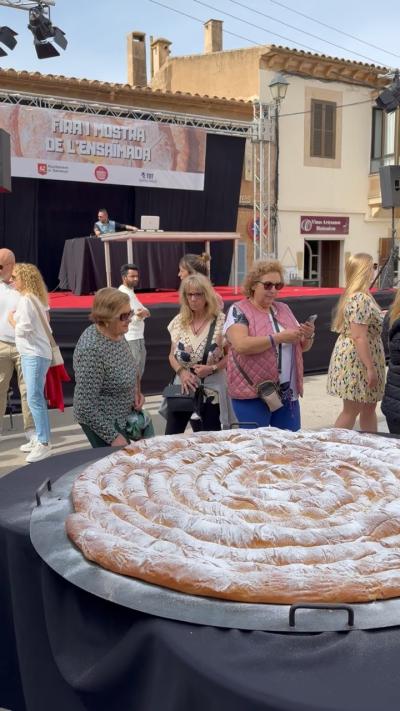
Olive oil from the island’s groves, often produced in towns like Binissalem, forms the backbone of many dishes. In coastal towns such as Port de Sóller or Alcúdia, fresh seafood like calamar or red prawns offer a direct taste of the surrounding sea and appear not only in traditional recipes but also in contemporary Mallorcan gastronomy. For something sweeter, the soft, spiraled ensaimada pastry is a local staple, often enjoyed with a cup of coffee or Hierbas, a native herbal liqueur known for its aromatic character.
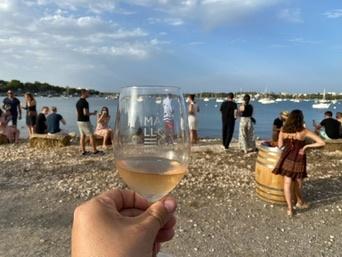
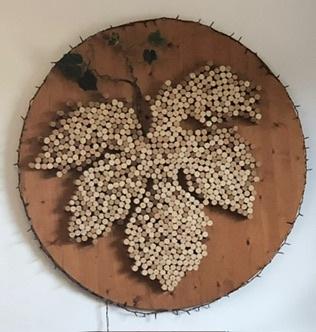
Seasonal vegetables also play a starring role, especially in dishes like tumbet, a verdant medley of layers of fried aubergine, potato, and red peppers, all topped with a rich tomato sauce — a perfect example of the island’s agricultural bounty. Wine lovers will find the Binissalem and Pla i Llevant DOs noteworthy, producing reds and whites that pair beautifully with regional dishes. Experiencing these ingredients provides a grounded, authentic glimpse into Mallorcan life beyond the beaches, connecting visitors to its land, sea, and centuries of culinary tradition.
Olive oil from the island’s groves, often produced in towns like Binissalem, forms the backbone of many dishes. In coastal towns such as Port de Sóller or Alcúdia, fresh seafood like calamar or red prawns offer a direct taste of the surrounding sea and appear not only in traditional recipes but also in contemporary Mallorcan gastronomy. For something sweeter, the soft, spiraled ensaimada pastry is a local staple, often enjoyed with a cup of coffee or Hierbas, a native herbal liqueur known for its aromatic character.
Seasonal vegetables also play a starring role, especially in dishes like tumbet, a verdant medley of layers of fried aubergine, potato, and red peppers, all topped with a rich tomato sauce — a perfect example of the island’s agricultural bounty. Wine lovers will find the Binissalem and Pla i Llevant DOs noteworthy, producing reds and whites that pair beautifully with regional dishes. Experiencing these ingredients provides a grounded, authentic glimpse into Mallorcan life beyond the beaches, connecting visitors to its land, sea, and centuries of culinary tradition.
More Fotos




Related Questions
Related Question
Are there any unique twists on the classic mojito that I can find in Mallorca's bars and beach clubs?
Related Question
Where can I find local markets or shops to buy snacks for a day at the beach in Mallorca?
Related Question
When is the best time to visit Palma's galleries for a quieter, more personal experience?