How do local communities on Mallorca protect and conserve the island's native oak forests?
Similar Topics
mallorca forests
serra de tramuntana
evergreen oaks
local conservation
reforestation projects
wildfire prevention
sustainable grazing
island ecology
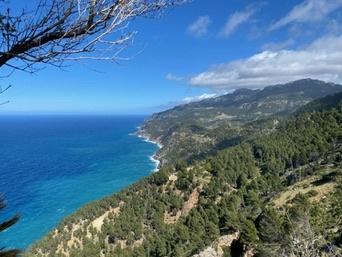
If you’re exploring the Serra de Tramuntana or wandering through the countryside near Valldemossa or Sóller, you’ll notice the evergreen oak woodlands that form an essential part of the island’s landscape. Local communities value these forests deeply, not only for their natural beauty but as vital habitats supporting a range of wildlife unique to the Balearics. Traditional land-use practices persist; for example, some farmers still graze their sheep and goats beneath the oaks, a method that helps maintain healthy undergrowth and reduces wildfire risk, a concern here especially during hot summers.
Beyond farming, many villages actively engage in reforestation efforts, planting native Holm oak and other indigenous species in areas where trees have been lost. These projects are often organized in partnership with environmental groups and local councils, fostering cooperation between residents and government bodies. Education plays a key role: workshops and guided nature walks introduce both locals and visitors to the fragile ecology of the island’s forests and encourage sustainable behaviour.
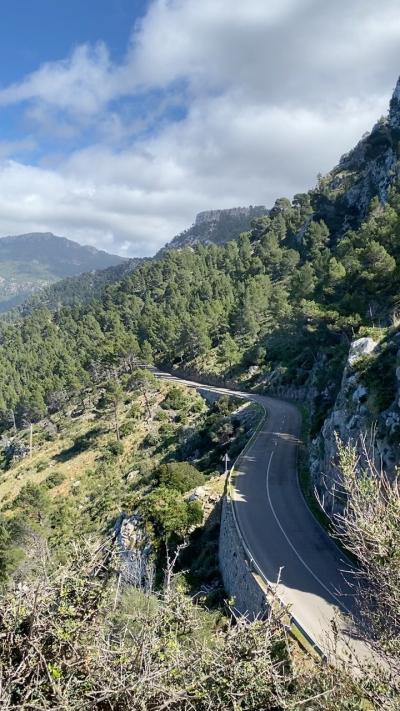
Community-led initiatives also involve monitoring local wildlife and preserving the woodland’s biodiversity. In places like the Albufera Natural Park near Alcudia, the delicate balance of flora and fauna is closely watched, ensuring that urban expansion and tourism growth do not harm these treasured habitats. When you roam trails or drive along the Ma-10 through the mountains, you’re witnessing a landscape shaped by centuries of careful stewardship, where islanders maintain a living bond with their forests, blending tradition with modern conservation.
Beyond farming, many villages actively engage in reforestation efforts, planting native Holm oak and other indigenous species in areas where trees have been lost. These projects are often organized in partnership with environmental groups and local councils, fostering cooperation between residents and government bodies. Education plays a key role: workshops and guided nature walks introduce both locals and visitors to the fragile ecology of the island’s forests and encourage sustainable behaviour.
Community-led initiatives also involve monitoring local wildlife and preserving the woodland’s biodiversity. In places like the Albufera Natural Park near Alcudia, the delicate balance of flora and fauna is closely watched, ensuring that urban expansion and tourism growth do not harm these treasured habitats. When you roam trails or drive along the Ma-10 through the mountains, you’re witnessing a landscape shaped by centuries of careful stewardship, where islanders maintain a living bond with their forests, blending tradition with modern conservation.
More Fotos