What traditional foods and drinks should I try while eating on the island?
Similar Topics
pa amb oli
sobrassada
ensaimada
binissalem wine
hierbas liqueur
tumbet
local specialties
serra de tramuntana
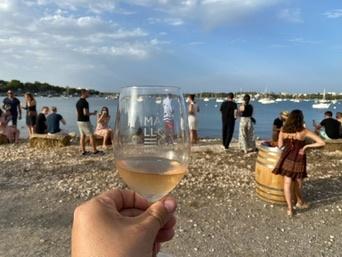
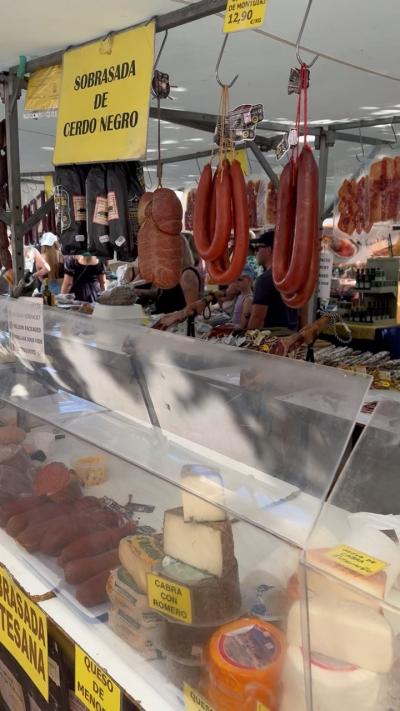
Take a moment to appreciate the simple charm of pa amb oli, a rustic staple found in markets and tavernas from Palma’s winding streets to quiet villages like Valldemossa. This humble dish of fresh bread rubbed with ripe tomatoes, drizzled with olive oil, and topped with local cheese or sobrassada embodies the island’s Mediterranean spirit. Pair it with a glass of Binissalem wine, whose vineyards benefit from Mallorca’s unique climate and soil, offering elegant reds and whites that complement these flavors perfectly.
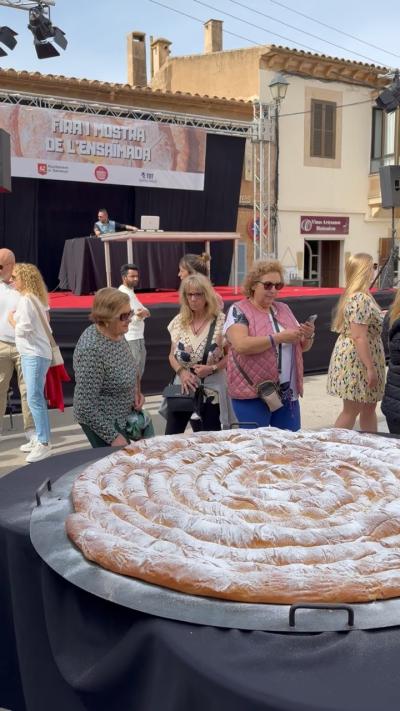
For a heartier taste, try tumbet, a vegetable medley layered much like ratatouille, usually served alongside fresh fish or lamb from the Serra de Tramuntana. Ensaimada, the light, spiral-shaped pastry dusted with sugar, makes a delightful snack or breakfast treat especially enjoyed with café cortado in café terraces around Sóller or Manacor. Don’t miss sipping Hierbas or Palo after dinner — these traditional herbal liqueurs balance sweet, bitter, and fragrant notes, often enjoyed during local festivals like Sant Sebastià.
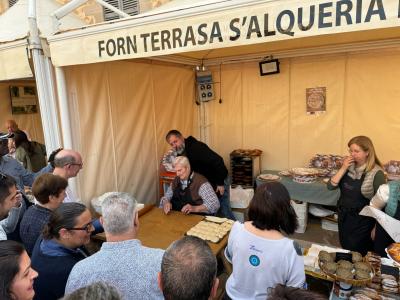
Sampling Mallorca’s culinary heritage is about more than just food; it’s a way to connect with the island’s rural landscapes, seasonal produce, and centuries-old traditions. Whether sitting by the Ma-19 on the drive to Formentor or wandering through Pollenca’s Saturday market, these flavors give insight into the island’s soul beyond its famous beaches and scenic views.
For a heartier taste, try tumbet, a vegetable medley layered much like ratatouille, usually served alongside fresh fish or lamb from the Serra de Tramuntana. Ensaimada, the light, spiral-shaped pastry dusted with sugar, makes a delightful snack or breakfast treat especially enjoyed with café cortado in café terraces around Sóller or Manacor. Don’t miss sipping Hierbas or Palo after dinner — these traditional herbal liqueurs balance sweet, bitter, and fragrant notes, often enjoyed during local festivals like Sant Sebastià.
Sampling Mallorca’s culinary heritage is about more than just food; it’s a way to connect with the island’s rural landscapes, seasonal produce, and centuries-old traditions. Whether sitting by the Ma-19 on the drive to Formentor or wandering through Pollenca’s Saturday market, these flavors give insight into the island’s soul beyond its famous beaches and scenic views.
More Fotos


Related Questions
Related Question
Are there any scenic stops along the route between Esporles and Valldemossa?
Related Question
What kinds of festivals and events can I experience along Mallorca’s coastal promenades throughout the year?
Related Question
What types of art galleries or exhibitions can I visit while in Deià?