How does the landscape around Soller change throughout the year?
Similar Topics
soller scenery
tramuntana seasons
spring wildflowers
summer beaches
autumn colors
winter mountains
balearic nature
local produce
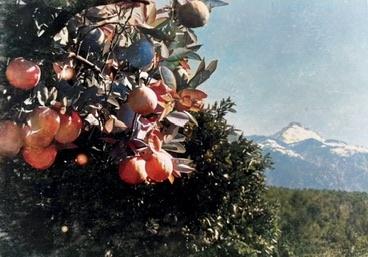
In and around Soller, the landscape shifts with each season, offering a vivid palette that reflects the island’s natural rhythm. Spring brings a burst of wildflowers, especially in the orchards and terraced hillsides along the Serra de Tramuntana. The citrus trees blossom, filling the air with their fragrant scent, while the Ma-10 road winds through emerald valleys, inviting walkers and cyclists to explore the fresh greenery. Fields near Fornalutx and Biniaraix turn lush, and the contrast with the rugged mountains is striking.
By summer, the region takes on a warmer, sun-soaked tone. Olive groves are deep green, and the intense light casts sharp shadows over the rocky peaks. The coastal strip near Port de Soller shows off its bright blue waters and lively beach scenes, with visitors cooling off after mountain hikes. Dry grasses and aromatic herbs like rosemary and thyme scent the air. This time of year suits swimming at Cala Mondrago or visiting Palma’s markets for ripe tomatoes and local Binissalem wine.
Autumn softens the Tramuntana with golden hues. Chestnut and oak trees along the walking trails begin to turn yellow and rust, blending beautifully with vineyards preparing for the grape harvest. Cooler evenings bring a clarity to the landscape that’s ideal for photography or tasting local delicacies such as sobrassada and pa amb oli in the village squares. The occasional rainfall rejuvenates the landscape before winter.
Winter quiets the hills and towns, but snow on the mountain peaks can dust the highest ridges, especially near Puig Major. The olive trees retain their silvery leaves, contrasting with the muted earth tones of cultivated fields. Days may be cooler and shorter but often bright and clear, perfect for exploring the Serra de Tramuntana without crowds. Traditional festivals like Sant Sebastia in Palma bring warmth and energy, reminding visitors that beneath the seasonal shifts, the spirit of the island endures year-round.
By summer, the region takes on a warmer, sun-soaked tone. Olive groves are deep green, and the intense light casts sharp shadows over the rocky peaks. The coastal strip near Port de Soller shows off its bright blue waters and lively beach scenes, with visitors cooling off after mountain hikes. Dry grasses and aromatic herbs like rosemary and thyme scent the air. This time of year suits swimming at Cala Mondrago or visiting Palma’s markets for ripe tomatoes and local Binissalem wine.
Autumn softens the Tramuntana with golden hues. Chestnut and oak trees along the walking trails begin to turn yellow and rust, blending beautifully with vineyards preparing for the grape harvest. Cooler evenings bring a clarity to the landscape that’s ideal for photography or tasting local delicacies such as sobrassada and pa amb oli in the village squares. The occasional rainfall rejuvenates the landscape before winter.
Winter quiets the hills and towns, but snow on the mountain peaks can dust the highest ridges, especially near Puig Major. The olive trees retain their silvery leaves, contrasting with the muted earth tones of cultivated fields. Days may be cooler and shorter but often bright and clear, perfect for exploring the Serra de Tramuntana without crowds. Traditional festivals like Sant Sebastia in Palma bring warmth and energy, reminding visitors that beneath the seasonal shifts, the spirit of the island endures year-round.
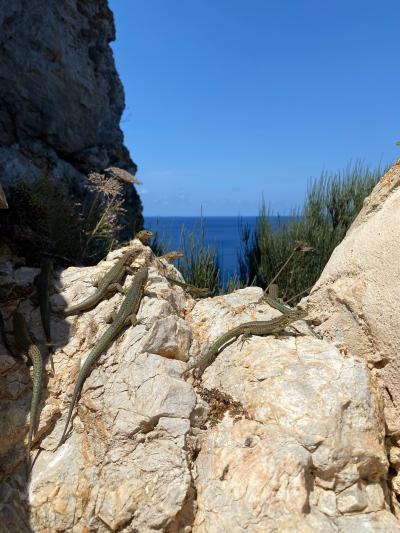
Sant Elm
More Fotos