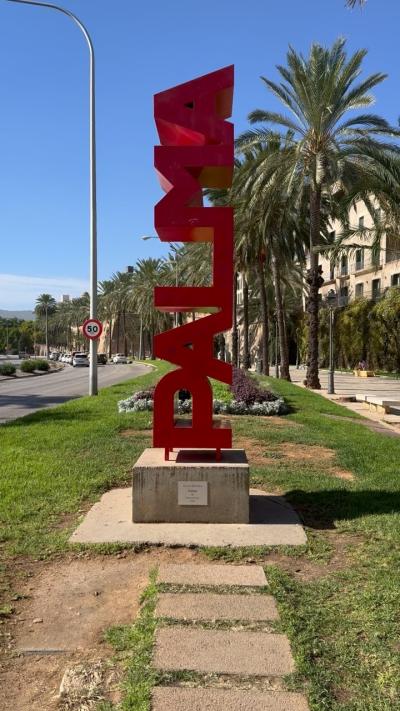
Are the pedestrian areas in Palma accessible for travelers with mobility challenges?
Similar Topics
palma accessibility
mobility access palma
pedestrian areas palma
wheelchair friendly palma
accessible shops palma
tramuntana mobility
tib bus access
palma old town
The scent of fresh sea air mingled with baked ensaimadas frames the experience of wandering through Palma’s pedestrian zones. Much of the city centre, especially around the historic Plaça Major and the wide boulevard of Passeig del Born, features smooth, flat pavements that accommodate wheelchairs and other mobility aids with relative ease. Drop curbs are common at intersections, allowing for easy crossing, and many shops and cafés have introduced ramps or level entrances in recent years to welcome all visitors.
Still, some parts of Palma’s old town maintain their original character with narrow cobbled streets, which can be more challenging for those with limited mobility. It’s best to plan routes around flatter, broader areas and take advantage of the Palma metro and TIB buses, many of which are equipped for accessibility. Restaurants serving traditional dishes like tumbet and stalls selling sobrassada near La Rambla often make special accommodations when asked.
Events like the Sant Sebastià festival enliven the streets but can sometimes lead to crowding or temporary barriers, so visitors with mobility challenges should keep an eye on schedules. Most local businesses pride themselves on inclusivity; don’t hesitate to seek assistance from staff in places like the Mercat de l'Olivar or the crafts shops in Santa Catalina. Overall, Palma encourages everyone to enjoy its vibrant atmosphere, blending centuries of history with thoughtful contemporary improvements.
Still, some parts of Palma’s old town maintain their original character with narrow cobbled streets, which can be more challenging for those with limited mobility. It’s best to plan routes around flatter, broader areas and take advantage of the Palma metro and TIB buses, many of which are equipped for accessibility. Restaurants serving traditional dishes like tumbet and stalls selling sobrassada near La Rambla often make special accommodations when asked.
Events like the Sant Sebastià festival enliven the streets but can sometimes lead to crowding or temporary barriers, so visitors with mobility challenges should keep an eye on schedules. Most local businesses pride themselves on inclusivity; don’t hesitate to seek assistance from staff in places like the Mercat de l'Olivar or the crafts shops in Santa Catalina. Overall, Palma encourages everyone to enjoy its vibrant atmosphere, blending centuries of history with thoughtful contemporary improvements.
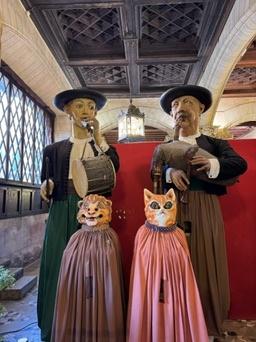
Palma
More Fotos