What historical influences can I see in Palma's old town architecture?
Similar Topics
palma old town
la seu cathedral
gothic architecture
baroque façades
mallorca heritage
local craftsmanship
azulejos tiles
mediterranean trade
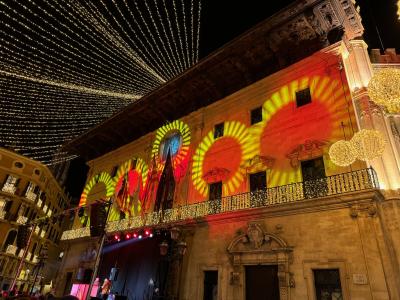
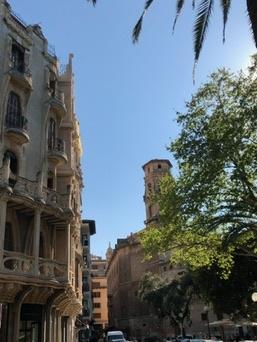
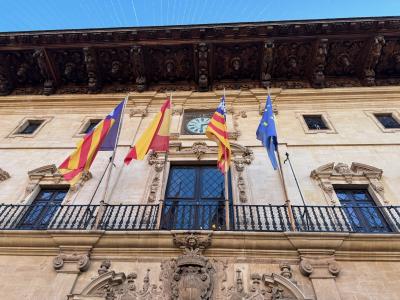
Evening light brings the intricate details of Palma’s old town into sharp relief, revealing layers of its rich history carved into stone. Wandering the narrow cobbled streets, you’ll spot a fascinating mix of Gothic and Renaissance architecture, the legacy of Mallorca’s time under Aragonese rule. The majestic Palma Cathedral, known locally as La Seu, towers over the city with its soaring Gothic spires and was built on the site of an ancient Arab mosque, symbolizing centuries of cultural change. Nearby, Baroque elements soften some façades, reflecting later periods of prosperity and artistic tastes that mingled with earlier medieval styles.
Many buildings make use of local stone, with traditional craftsmanship on show in the wrought iron balconies and decorative ceramic tiles, known as “azulejos.” These details resonate with the island’s history of seafaring trade and Mediterranean cultural exchange. In places like Plaça Major and along Carrer de Sant Miquel, former merchants’ houses speak to an era when Palma flourished as a Mediterranean port. You may even glimpse carved shields or coats of arms on doorways, hinting at noble families who once lived here.
The old town’s architecture also tells quieter stories—the way some buildings bear scars or have been modified over time reflects Palma’s resilience through events like pirate raids or conflicts between factions. Restoration efforts have balanced preserving authenticity while making these historic homes part of a living, vibrant city. Stepping inside a boutique or café housed in these centuries-old walls offers a direct connection to Palma’s layered past and local traditions.
Many buildings make use of local stone, with traditional craftsmanship on show in the wrought iron balconies and decorative ceramic tiles, known as “azulejos.” These details resonate with the island’s history of seafaring trade and Mediterranean cultural exchange. In places like Plaça Major and along Carrer de Sant Miquel, former merchants’ houses speak to an era when Palma flourished as a Mediterranean port. You may even glimpse carved shields or coats of arms on doorways, hinting at noble families who once lived here.
The old town’s architecture also tells quieter stories—the way some buildings bear scars or have been modified over time reflects Palma’s resilience through events like pirate raids or conflicts between factions. Restoration efforts have balanced preserving authenticity while making these historic homes part of a living, vibrant city. Stepping inside a boutique or café housed in these centuries-old walls offers a direct connection to Palma’s layered past and local traditions.
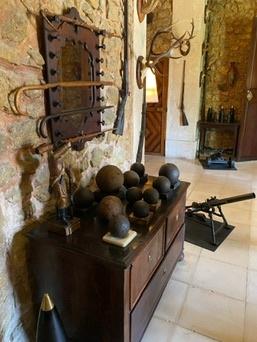
Sant Joan
More Fotos
Related Questions
Related Question
What is the history of healthcare facilities in Palma, such as Clínica Juaneda?
Related Question
Are there tours that visit traditional fishing villages or seafood farms on Mallorca?
Related Question
Are there any festivals or events in Mallorca that might affect travel or traffic during my visit?