How do restaurants in Palma and other towns shape the local community life?
Similar Topics
local restaurants
palma dining
mallorca cuisine
pa amb oli
binissalem wine
soller eateries
mallorcan food culture
community dining
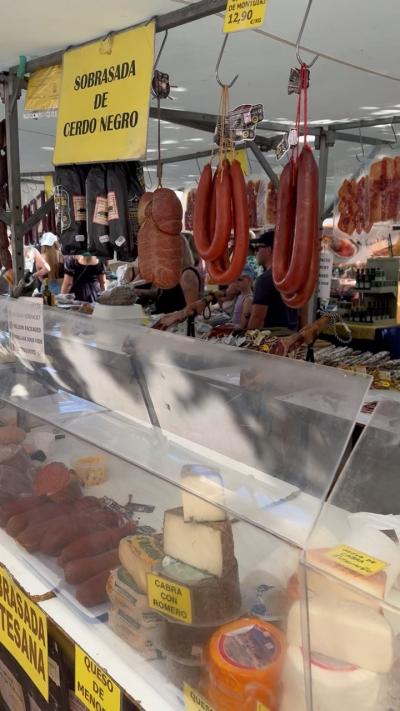
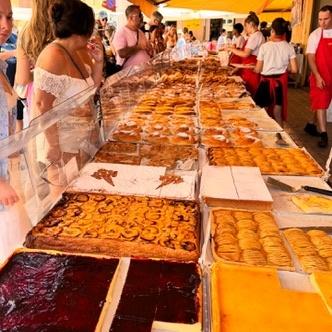
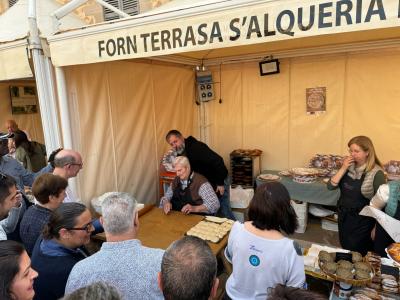
The aroma of freshly baked ensaimadas mingling with the earthy scent of sobrassada signals more than a meal; it invites locals to come together across Palma’s bustling markets and quiet village squares. Restaurants here are much more than places to eat — they serve as communal living rooms where generations gather to enjoy traditional dishes like pa amb oli or tumbet, fostering connections that extend beyond the table. In towns like Sóller and Pollença, small family-run eateries often double as social hubs, where lively conversations accompany glasses of crisp Binissalem wine or a post-dinner Hierbas digestif.
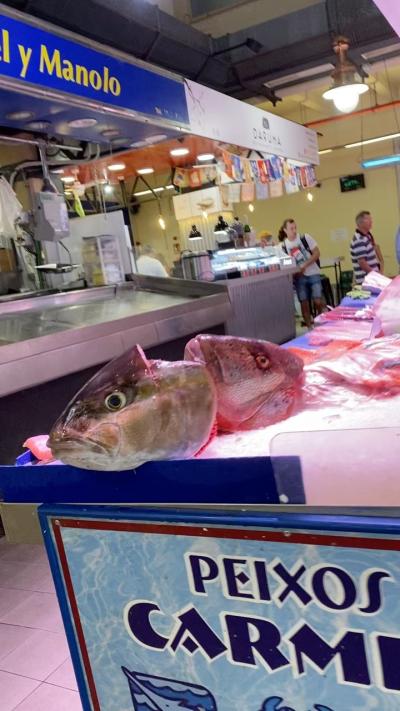
Beyond their social role, these restaurants sustain the island’s economy by sourcing meat, fish, and produce from nearby farms and markets, invariably weaving a network of support among local artisans and suppliers. The Ma-13 road, connecting mountain hamlets to coastal resorts, is dotted with charming establishments that participate actively in festivals like Sant Sebastià and the Festa de l’Ametler, anchoring culinary traditions within the island’s culture. Dining out here often means engaging with the community: many restaurants sponsor local events or collaborate with producers, ensuring that the island’s heritage remains vibrant and visible.
Additionally, this communal spirit sometimes translates into social outreach, where establishments contribute to charitable causes or organise fundraisers during events such as the Nit de Foc celebrations in Palma’s old town. Whether it’s a café in Valldemossa hosting musicians or a rustic taverna in Alcúdia serving up hearty Mallorcan fare, restaurants cultivate a sense of belonging that enhances both local identity and visitor experience. They are integral threads in the fabric of daily life, inviting everyone to share in the island’s unique flavors and stories.
Beyond their social role, these restaurants sustain the island’s economy by sourcing meat, fish, and produce from nearby farms and markets, invariably weaving a network of support among local artisans and suppliers. The Ma-13 road, connecting mountain hamlets to coastal resorts, is dotted with charming establishments that participate actively in festivals like Sant Sebastià and the Festa de l’Ametler, anchoring culinary traditions within the island’s culture. Dining out here often means engaging with the community: many restaurants sponsor local events or collaborate with producers, ensuring that the island’s heritage remains vibrant and visible.
Additionally, this communal spirit sometimes translates into social outreach, where establishments contribute to charitable causes or organise fundraisers during events such as the Nit de Foc celebrations in Palma’s old town. Whether it’s a café in Valldemossa hosting musicians or a rustic taverna in Alcúdia serving up hearty Mallorcan fare, restaurants cultivate a sense of belonging that enhances both local identity and visitor experience. They are integral threads in the fabric of daily life, inviting everyone to share in the island’s unique flavors and stories.
Santanyí
More Fotos