What are some common food-related customs or traditions in Mallorca?
Similar Topics
Mallorca food customs
sopas mallorquinas
Mallorcan cuisine
traditional foods Mallorca
ensaimada pastry
Mallorca festivals
tapas Mallorca
community dining Mallorca
Mediterranean food traditions
Mallorca culinary heritage
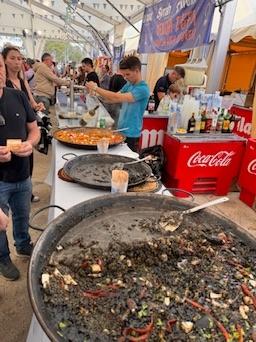
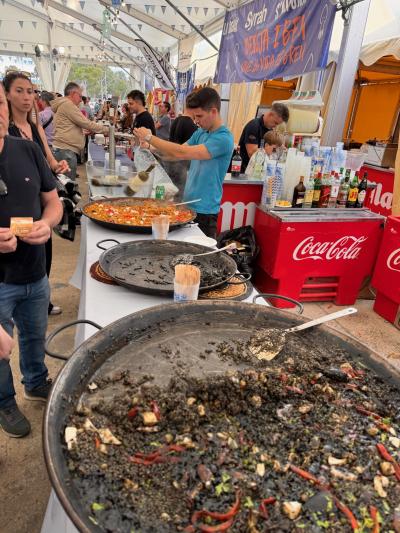
Mallorca, with its rich cultural tapestry and Mediterranean influences, boasts a variety of food-related customs and traditions that reflect its vibrant heritage. One of the most beloved culinary traditions is the celebration of "sopas mallorquinas," a rustic vegetable soup that highlights local produce and is often enjoyed during family gatherings or community events. This dish is a testament to the island’s agricultural roots, showcasing ingredients like seasonal vegetables, bread, and sometimes meat, all simmered together to create a hearty meal. The communal aspect of sharing such dishes underscores the importance of family and community in Mallorcan life.
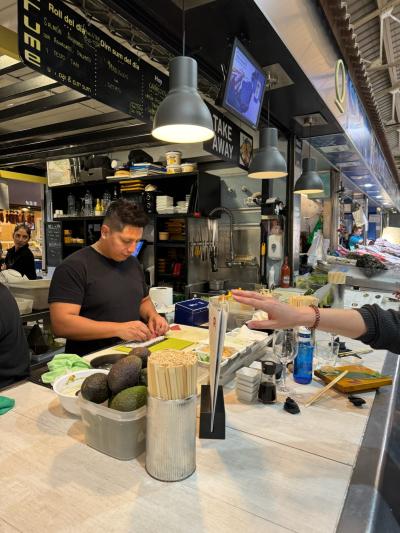
Another integral part of Mallorcan food culture is the practice of enjoying meals leisurely, often extending for several hours, especially during lunch. This tradition allows for a relaxed atmosphere where friends and family can gather, share stories, and savor each course. Tapas, or small dishes, are also central to the dining experience, encouraging social interaction as diners sample a variety of flavors and textures. Whether it’s olives, cheese, or local sausages like "sobrassada," the act of sharing these small bites enhances the sense of community and camaraderie.
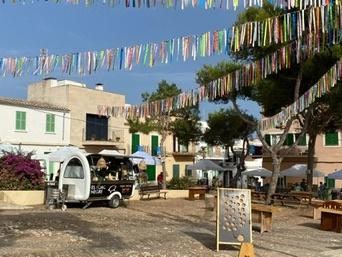
Festivals in Mallorca often feature traditional foods that are deeply rooted in the island's history. For instance, during the celebration of Sant Joan, locals indulge in "ensaimada," a sweet pastry that holds a special place in the hearts of the people. This flaky, spiral-shaped treat is often enjoyed during festive occasions and is a symbol of local pride. Additionally, the celebration of local harvests, particularly during grape harvest season, showcases the importance of wine, with many families participating in grape-stomping events that connect them to their agricultural heritage.
Overall, the culinary customs of Mallorca are a delightful blend of tradition, community, and celebration. From the communal enjoyment of meals to the festive sharing of regional specialties, these practices not only nourish the body but also strengthen the bonds between people, making food a central element of Mallorcan culture.
Another integral part of Mallorcan food culture is the practice of enjoying meals leisurely, often extending for several hours, especially during lunch. This tradition allows for a relaxed atmosphere where friends and family can gather, share stories, and savor each course. Tapas, or small dishes, are also central to the dining experience, encouraging social interaction as diners sample a variety of flavors and textures. Whether it’s olives, cheese, or local sausages like "sobrassada," the act of sharing these small bites enhances the sense of community and camaraderie.
Festivals in Mallorca often feature traditional foods that are deeply rooted in the island's history. For instance, during the celebration of Sant Joan, locals indulge in "ensaimada," a sweet pastry that holds a special place in the hearts of the people. This flaky, spiral-shaped treat is often enjoyed during festive occasions and is a symbol of local pride. Additionally, the celebration of local harvests, particularly during grape harvest season, showcases the importance of wine, with many families participating in grape-stomping events that connect them to their agricultural heritage.
Overall, the culinary customs of Mallorca are a delightful blend of tradition, community, and celebration. From the communal enjoyment of meals to the festive sharing of regional specialties, these practices not only nourish the body but also strengthen the bonds between people, making food a central element of Mallorcan culture.
Alcanada
More Fotos