How do farmers in the Serra de Tramuntana maintain the island’s historic terraced fields?
- Serra de tramuntana
- Terraced fields
- Dry-stone walls
- Local farming
- Water management
- Binissalem wine
- Crop rotation
- Mallorca agriculture
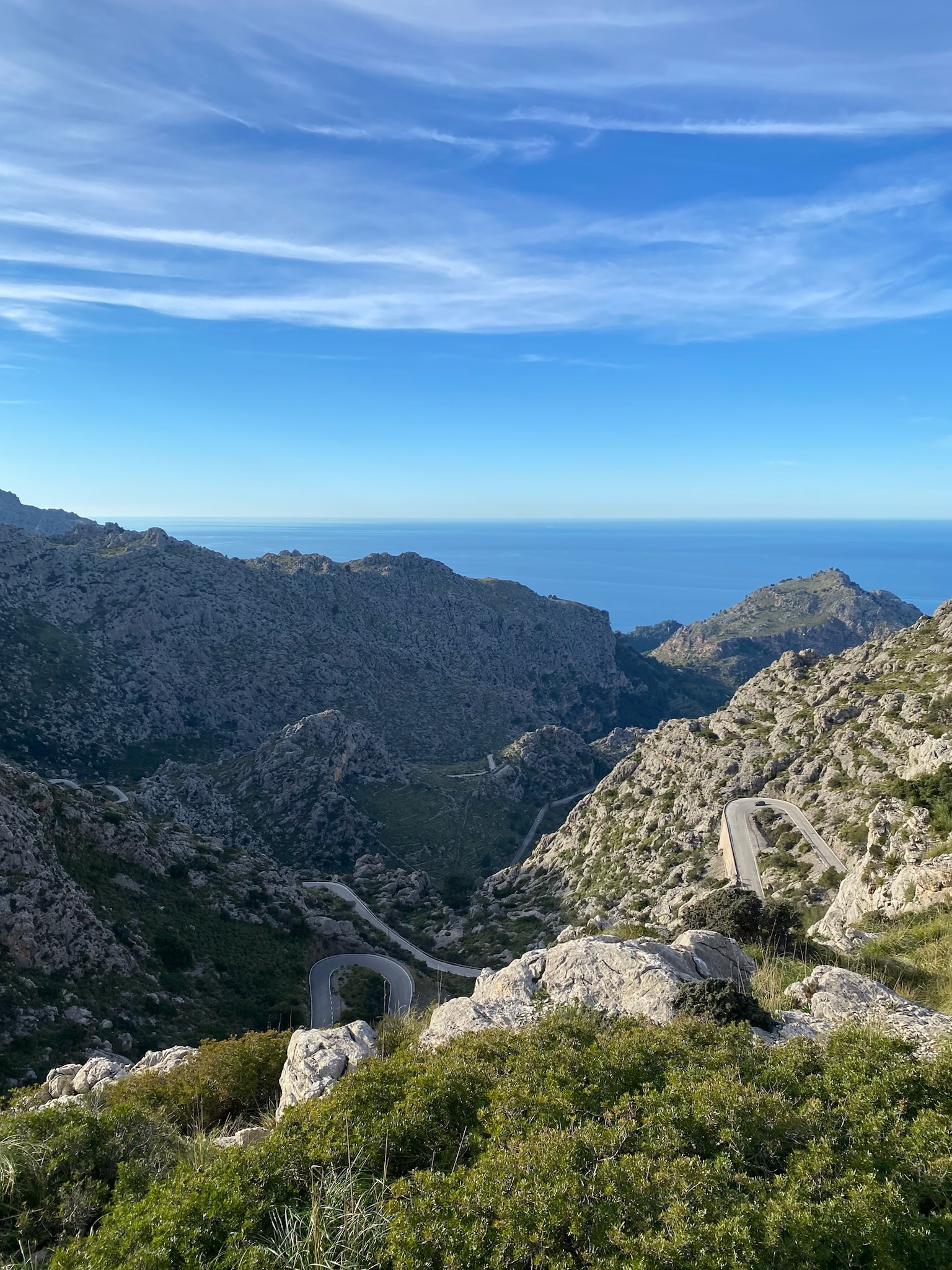
In recent years, there’s been a renewed appreciation for the stone terraces that shape the rugged slopes of the Serra de Tramuntana. These dry-stone walls, many centuries old, are carefully preserved through traditional techniques that locals continue to practice. Farmers and landowners regularly reinforce the terraces using local limestone, a skill passed down through generations, helping the structures resist erosion from winter rains and occasional storms.
Water management remains vital in this steep terrain. The network of channels and irrigation ditches channels mountain springs and rain runoff efficiently, distributing moisture evenly across the cultivated plots. This system supports typical Mallorcan crops like olives, almonds, and figs despite the island’s uneven rainfall. Crop rotation and companion planting, including traditional staples like carob trees and grapevines from the Binissalem region, help maintain the soil’s fertility and keep pests at bay.
Many terraces lie near charming villages such as Valldemossa and Deià, where efforts by locals and environmental groups aim to sustain these rural landscapes that blend agricultural productivity with ecological balance. Beyond preserving the land’s beauty, this stewardship supports the island’s cultural heritage and helps maintain the livelihoods tied to these ancestral fields.