What kinds of wildlife and plants might I see while hiking in the Serra de Tramuntana?
Similar Topics
serra de tramuntana
hiking wildlife
balearic lizard
griffon vulture
wildflowers tramuntana
mediterranean plants
foraging mallorca
tramuntana flora
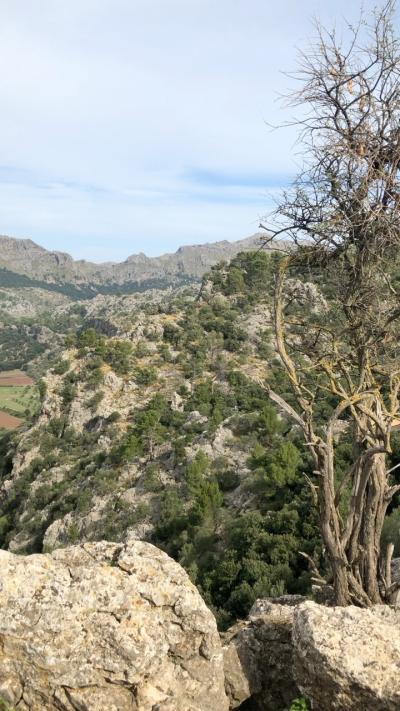
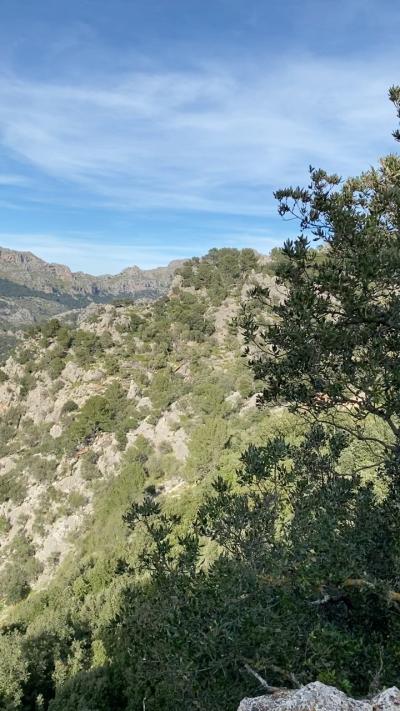
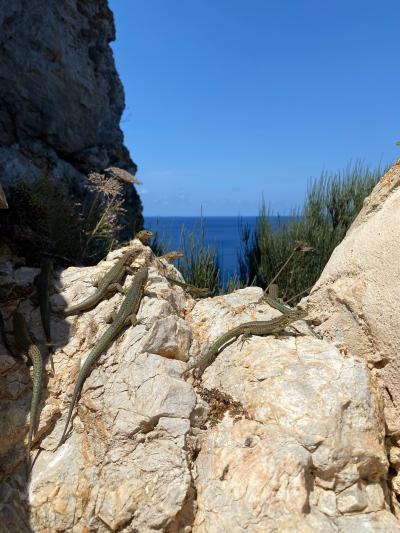
Trails winding through the Serra de Tramuntana reveal a remarkable variety of wildlife and flora unique to the island’s rugged northwest. Early morning or dusk hikes may bring sightings of native species such as the agile Balearic lizard basking on sun-warmed rocks or the shy mouflon sheep navigating steep slopes. Birdwatchers will enjoy glimpsing griffon vultures circling overhead along with smaller songbirds like the Balearic warbler tucked among pine branches. The fragrant scent of rosemary and thyme is often carried on the breeze, alongside the sight of aromatic Mediterranean scrub that dominates this UNESCO-listed mountain range.
Throughout spring and summer, the landscape bursts with wildflowers including the colorful rockrose and delicate orchids, adding vibrant touches against limestone cliffs. In shaded spots, you will find holm oaks and chestnut groves framing the paths, while patches of strawberry trees and juniper offer seasonal fruit. Foraging enthusiasts sometimes spot wild almonds and figs, though it’s best to enjoy these in moderation and consult local guidelines. The Tramuntana’s unique ecosystems embody a rich blend of plant and animal life that invites slow exploration and mindful observation.
Keep an eye out too for evidence of other creatures, like the tracks of foxes or nesting holes from endemic birds. At times, the soft rustle of a hedgehog or a glimpse of a rabbit breaking the undergrowth adds a touch of quiet magic to the hike. Taking time to listen and watch carefully enhances the experience, making each walk an intimate encounter with the island’s natural heritage.
Throughout spring and summer, the landscape bursts with wildflowers including the colorful rockrose and delicate orchids, adding vibrant touches against limestone cliffs. In shaded spots, you will find holm oaks and chestnut groves framing the paths, while patches of strawberry trees and juniper offer seasonal fruit. Foraging enthusiasts sometimes spot wild almonds and figs, though it’s best to enjoy these in moderation and consult local guidelines. The Tramuntana’s unique ecosystems embody a rich blend of plant and animal life that invites slow exploration and mindful observation.
Keep an eye out too for evidence of other creatures, like the tracks of foxes or nesting holes from endemic birds. At times, the soft rustle of a hedgehog or a glimpse of a rabbit breaking the undergrowth adds a touch of quiet magic to the hike. Taking time to listen and watch carefully enhances the experience, making each walk an intimate encounter with the island’s natural heritage.

Sa Calobra
More Fotos