What was the impact of early invaders like the Vandals on the island's local communities?
Similar Topics
vandals
pollensa
alcudia
roman period
serra de tramuntana
byzantine reconquest
coastal trade
religious tolerance
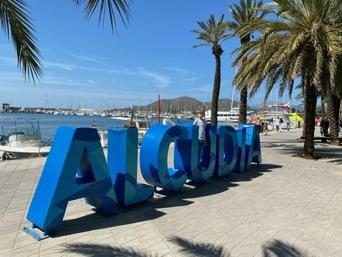
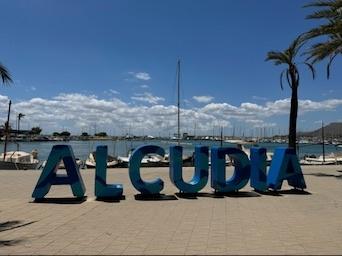
In places like Pollensa and Alcudia, the echoes of early invaders' rule still ripple through history, reflecting a time when local communities faced upheaval and change. The Vandals, who arrived in the 5th century, initially met resistance from islanders used to Roman way of life, as they disrupted established social and political structures. The transition was not smooth; some residents resented the newcomers for imposing new governance and altering traditions that had taken root during the Roman period.
Yet, over time, certain communities adapted, especially in coastal towns where the Vandals’ naval dominance helped protect trade routes, offering a measure of security that appealed to local economies reliant on maritime connections. Religious dynamics were also complex—while the Vandals followed Arian Christianity, they generally tolerated the Catholic majority, which allowed for a fragile coexistence despite underlying tensions.
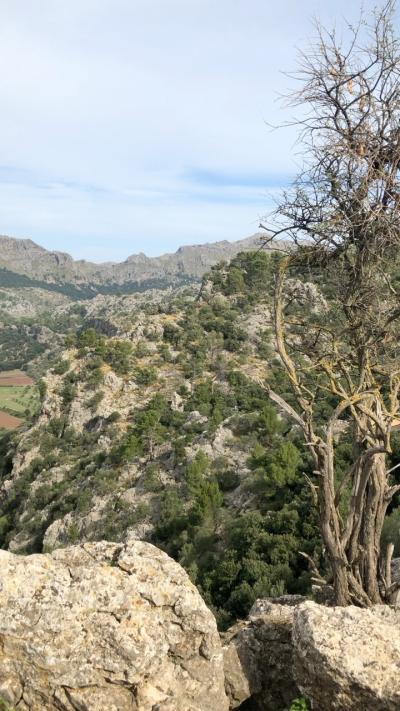
Conflicts and episodes of persecution, however, were not uncommon, particularly aimed at dissenters or those loyal to old beliefs. This brewing discontent eventually fueled resistance, culminating in the island’s gradual liberation when Byzantine forces reclaimed the territory. Visitors today can explore remnants of this era, woven into the fabric of the Serra de Tramuntana’s fortified ruins and stories passed down through generations, illustrating a period when resilience shaped the island’s identity.
Yet, over time, certain communities adapted, especially in coastal towns where the Vandals’ naval dominance helped protect trade routes, offering a measure of security that appealed to local economies reliant on maritime connections. Religious dynamics were also complex—while the Vandals followed Arian Christianity, they generally tolerated the Catholic majority, which allowed for a fragile coexistence despite underlying tensions.
Conflicts and episodes of persecution, however, were not uncommon, particularly aimed at dissenters or those loyal to old beliefs. This brewing discontent eventually fueled resistance, culminating in the island’s gradual liberation when Byzantine forces reclaimed the territory. Visitors today can explore remnants of this era, woven into the fabric of the Serra de Tramuntana’s fortified ruins and stories passed down through generations, illustrating a period when resilience shaped the island’s identity.

Alcanada
More Fotos



Related Questions
Related Question
Is there a specific dress code I should follow for festivals and religious sites in Mallorca?
Related Question
What traditional Mallorcan dishes should I try after hiking in the Serra de Tramuntana?
Related Question
How can I find eco-friendly or sustainable shops while I'm in Palma?