What types of plants are commonly found in the coastal areas of Mallorca?
Similar Topics
Mallorca coastal plants
Mediterranean scrub
maquis vegetation
aromatic herbs Mallorca
Mediterranean fan palm
coastal flora
sea daffodils
wild orchids
Posidonia oceanica
Mallorca marine ecosystem
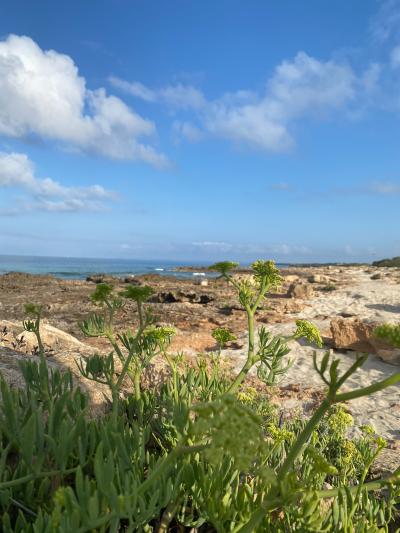
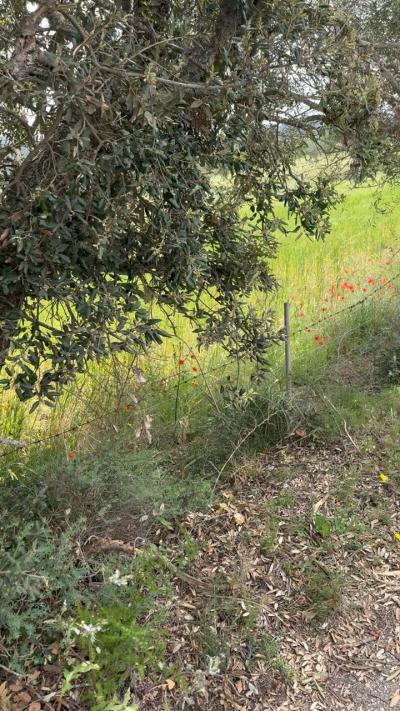
The coastal areas of Mallorca are a stunning blend of natural beauty and diverse plant life, shaped by the Mediterranean climate. One of the most common sights along the coast is the resilient Mediterranean scrub, known as "maquis." This vegetation is characterized by aromatic herbs such as rosemary, thyme, and sage, which thrive in the warm, sunny conditions. You'll also find hardy shrubs like myrtle and lentisk, which add to the lush greenery, creating a vibrant landscape that is particularly enchanting during the spring when the flowers bloom.
In addition to the maquis, the coastal regions are home to various types of palm trees, particularly the iconic Mediterranean fan palm. These palms provide a tropical flair, swaying gently in the sea breeze. The striking contrast between the deep blue of the Mediterranean Sea and the vivid greens of the coastal flora makes for breathtaking views. Along the sandy beaches and rocky cliffs, you might also encounter delicate coastal plants such as sea daffodils and wild orchids, which add splashes of color and are often found in more secluded, untouched areas.
The coastal areas are not just limited to terrestrial plants; the marine environment is equally rich. Seagrasses, such as Posidonia oceanica, play a crucial role in maintaining the health of the marine ecosystem and are often found in the shallow waters along the coastline. This underwater vegetation supports diverse marine life and contributes to the overall beauty of Mallorca's coastal landscapes. Exploring these areas, whether on foot or by boat, offers a unique opportunity to appreciate both the terrestrial and marine plant life that thrive in this Mediterranean paradise.
In addition to the maquis, the coastal regions are home to various types of palm trees, particularly the iconic Mediterranean fan palm. These palms provide a tropical flair, swaying gently in the sea breeze. The striking contrast between the deep blue of the Mediterranean Sea and the vivid greens of the coastal flora makes for breathtaking views. Along the sandy beaches and rocky cliffs, you might also encounter delicate coastal plants such as sea daffodils and wild orchids, which add splashes of color and are often found in more secluded, untouched areas.
The coastal areas are not just limited to terrestrial plants; the marine environment is equally rich. Seagrasses, such as Posidonia oceanica, play a crucial role in maintaining the health of the marine ecosystem and are often found in the shallow waters along the coastline. This underwater vegetation supports diverse marine life and contributes to the overall beauty of Mallorca's coastal landscapes. Exploring these areas, whether on foot or by boat, offers a unique opportunity to appreciate both the terrestrial and marine plant life that thrive in this Mediterranean paradise.
Es Pil·larí
More Fotos



Related Questions
Related Question
What time of year is the best to experience beach clubs in Mallorca?
Related Question
How much time should I set aside to visit the Talaiotic settlement at Capocorb Vell?
Related Question
What outdoor activities can I enjoy while exploring Mallorca's Tramuntana and coastal scrublands?