What is the history behind Santa Ponça and its beach?
Similar Topics
Santa Ponça history
Mallorca beaches
Talaiotic culture
Roman settlements Mallorca
King Jaume I
Reconquista Santa Ponça
tourist destination Mallorca
golden sands Santa Ponça
Mediterranean waters
historical sites Mallorca
Santa Ponça, located on the southwest coast of Mallorca, has a rich and diverse history that dates back to ancient times. The area was originally inhabited by the Talaiotic culture, known for their stone structures and burial sites. As time progressed, the region attracted various civilizations, including the Romans, who appreciated its strategic coastal position. They established settlements that laid the groundwork for the town's development. The name "Santa Ponça" itself is believed to derive from the Latin "Sanctus Poncius," possibly referring to a local saint or the Roman influence in the area.
The beach of Santa Ponça came into prominence in the 13th century when King Jaume I of Aragon landed there during the Reconquista, marking a significant moment in the history of Mallorca. This event not only solidified the island's Christian presence but also turned Santa Ponça into a focal point of local culture and identity. Over the centuries, the area transformed from a modest fishing village into a popular tourist destination, particularly in the 20th century, as more visitors sought its beautiful sandy beaches and serene Mediterranean waters.
Today, Santa Ponça’s beach is characterized by its gently sloping golden sands and clear turquoise waters, making it ideal for families and sun-seekers alike. The area maintains a charming mix of old-world charm and modern amenities, with bars, restaurants, and shops lining the promenade. Visitors can still find remnants of the past, such as the nearby historical sites and traditional architecture that showcase the town's evolution through the ages. This blend of history and leisure creates a unique atmosphere that continues to draw travelers from around the world, eager to experience both the beauty and the storied past of Santa Ponça.
The beach of Santa Ponça came into prominence in the 13th century when King Jaume I of Aragon landed there during the Reconquista, marking a significant moment in the history of Mallorca. This event not only solidified the island's Christian presence but also turned Santa Ponça into a focal point of local culture and identity. Over the centuries, the area transformed from a modest fishing village into a popular tourist destination, particularly in the 20th century, as more visitors sought its beautiful sandy beaches and serene Mediterranean waters.
Today, Santa Ponça’s beach is characterized by its gently sloping golden sands and clear turquoise waters, making it ideal for families and sun-seekers alike. The area maintains a charming mix of old-world charm and modern amenities, with bars, restaurants, and shops lining the promenade. Visitors can still find remnants of the past, such as the nearby historical sites and traditional architecture that showcase the town's evolution through the ages. This blend of history and leisure creates a unique atmosphere that continues to draw travelers from around the world, eager to experience both the beauty and the storied past of Santa Ponça.
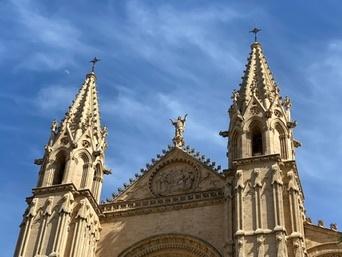
Palma
More Fotos




Related Questions
Related Question
Are there specific locations in Mallorca that are associated with these writers?
Related Question
Do hotels on the island reflect Mallorca’s local culture and history in their guest experience?
Related Question
What role did Santa Maria play in Mallorca's history during different periods?