How does Mallorca's membership in the EU influence its agricultural practices?
Similar Topics
Mallorca agriculture
EU membership impact
Common Agricultural Policy
sustainable farming Mallorca
organic farming techniques
Mediterranean crops
agritourism Mallorca
local gastronomy
Mallorca culinary heritage
farmers markets Mallorca
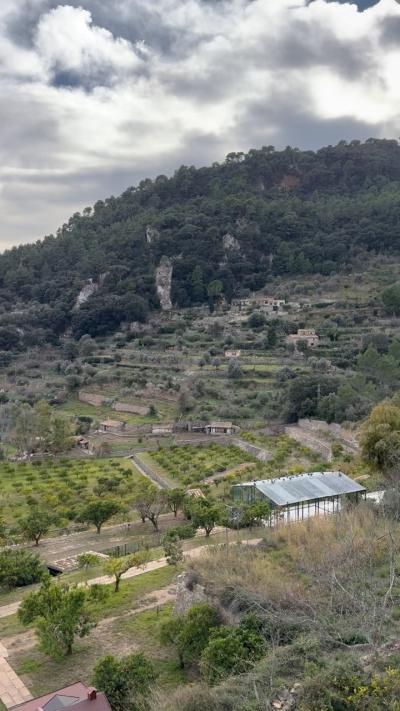
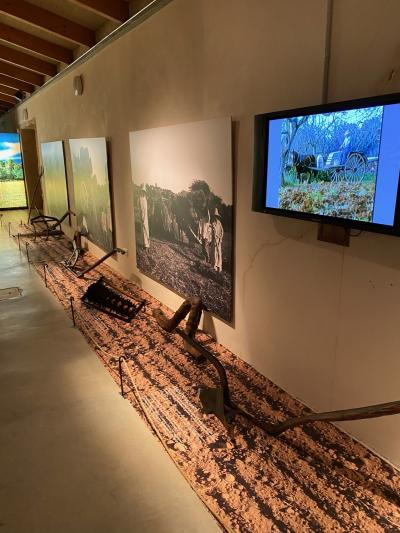
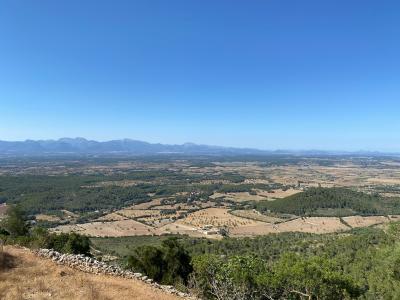
Mallorca's membership in the European Union plays a significant role in shaping its agricultural practices, primarily through the Common Agricultural Policy (CAP). This policy aims to support farmers, promote sustainable farming, and ensure food security across member states. For Mallorca, this means that local farmers benefit from various subsidies and grants, which help them maintain their agricultural activities and preserve the region's traditional farming methods. The EU funding encourages the cultivation of specific crops that are well-suited to the Mediterranean climate, such as olives, almonds, and grapes, which not only support local economies but also contribute to Mallorca's rich culinary heritage.
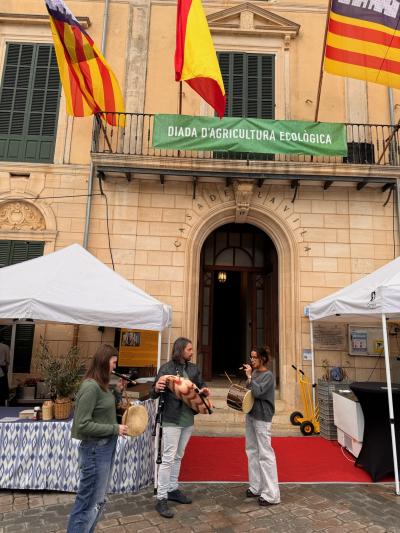
Additionally, EU regulations focus on environmental sustainability, prompting Mallorcan farmers to adopt more eco-friendly practices. Many local producers are now implementing organic farming techniques and utilizing integrated pest management to reduce chemical inputs. This shift not only aligns with EU standards but also appeals to a growing segment of consumers who prioritize organic and sustainably produced foods. As a result, the agricultural landscape in Mallorca is evolving, leading to a blend of traditional and modern practices that enhance the island's appeal to visitors interested in agritourism and local gastronomy.
Moreover, Mallorca's membership in the EU facilitates easier access to broader markets for its agricultural products. Farmers can export their goods to other EU countries without the burdens of tariffs, allowing them to reach a larger audience. This integration boosts the local economy and encourages the preservation of Mallorca's unique agricultural identity. Visitors can enjoy fresh, locally sourced products at markets and restaurants, highlighting the importance of agriculture in the island's culture and cuisine. Thus, the influence of EU membership on Mallorca's agricultural practices not only benefits local farmers but also enriches the overall travel experience for those exploring this beautiful Mediterranean destination.
More Fotos